EN
EN

Choosing a press brake quick clamping system is not simply about finding the fastest option.
For European fabrication shops, the more important questions are:
How much clamping force do I need? How often do I change tooling? How much maintenance can I accept? And will the investment actually improve production efficiency?
Mechanical, pneumatic and hydraulic clamping systems each have different advantages.
The right choice depends on your tooling, production volume, tool-change frequency and machine configuration.
Feature | Mechanical | Pneumatic | Hydraulic |
Clamping force | Moderate | High & consistent | Very high & controlled |
Tool change speed | Medium | Fast | Very fast |
Maintenance | Low | Medium | Medium |
Installation | Simple | Requires air supply | Requires hydraulic system |
Investment | Low | Medium | Higher |
Best for | Occasional changes | Frequent changes | High-volume production |
Operator effort | Medium | Low | Very low |
These are general selection guidelines. Actual performance depends on the clamp design, tooling interface and press brake configuration.
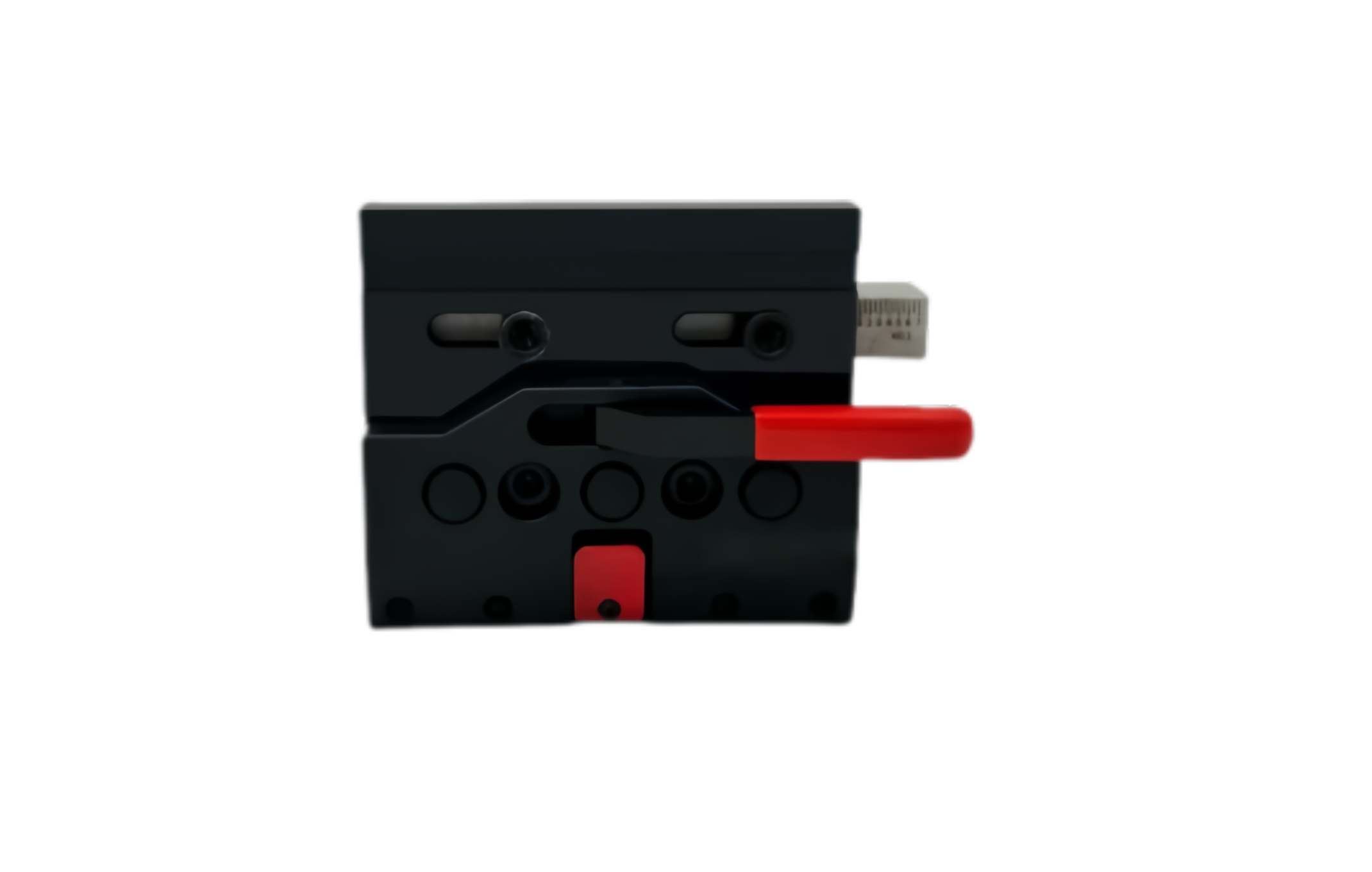
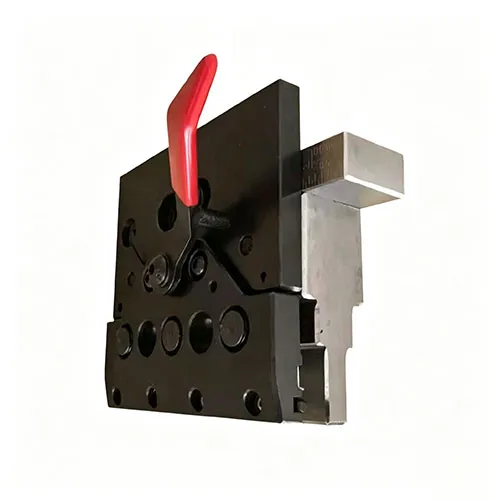
Mechanical clamping uses bolts, levers or mechanical locking structures to secure the punch.
Its biggest advantage is simplicity.
There is no compressed-air system or hydraulic power unit to maintain.
Occasional tool changes
Small fabrication shops
Standard production
Lower initial investment
Machines without pneumatic or hydraulic infrastructure
If your press brake changes tooling only once or twice per day, upgrading from traditional bolts to a better mechanical quick clamp may provide a good balance between cost and efficiency.
The disadvantage is that the operator still performs more manual operations than with pneumatic or hydraulic systems.
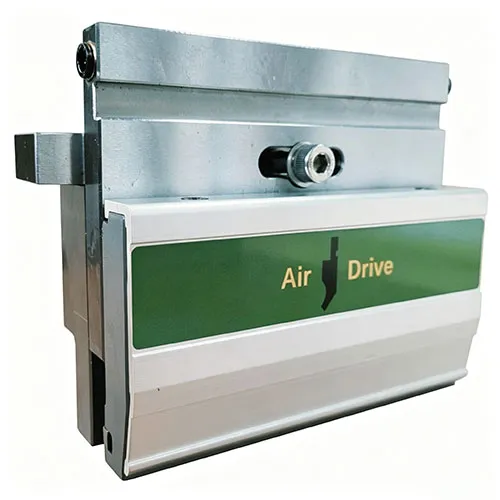
Pneumatic clamping uses compressed air to release and secure tooling.
The operator can change tools with significantly less manual effort.
It is particularly useful for high-mix, low-volume production, where the machine may switch between several jobs during one shift.
Frequent tooling changes
Small-batch production
High product variety
Shops already equipped with compressed air
Operators who need faster setup
Pneumatic systems offer a practical middle ground between mechanical simplicity and hydraulic automation.
However, the air supply, pressure stability and pneumatic components need regular attention.
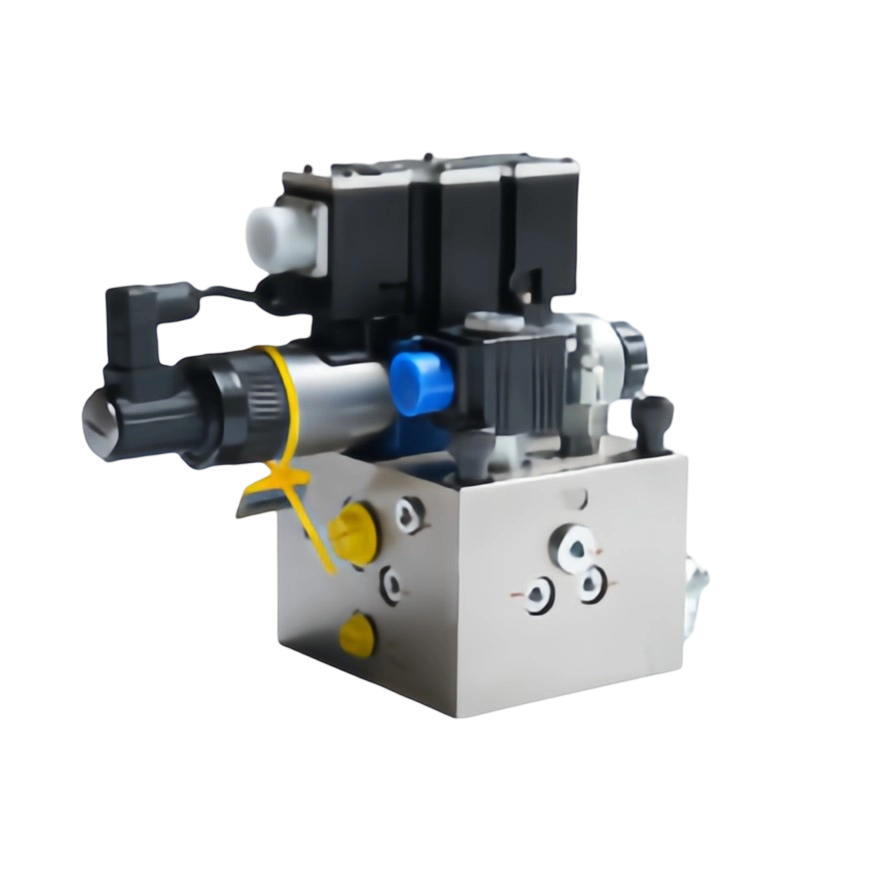
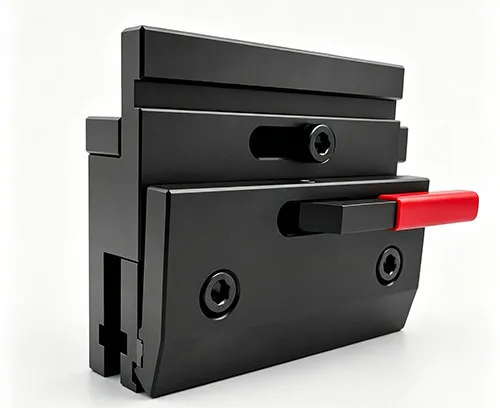
Hydraulic clamping uses controlled hydraulic pressure to secure the tooling.
Its main advantages are:
High and stable clamping force
Fast tool changes
Consistent locking
Low operator effort
Suitability for frequent production changes
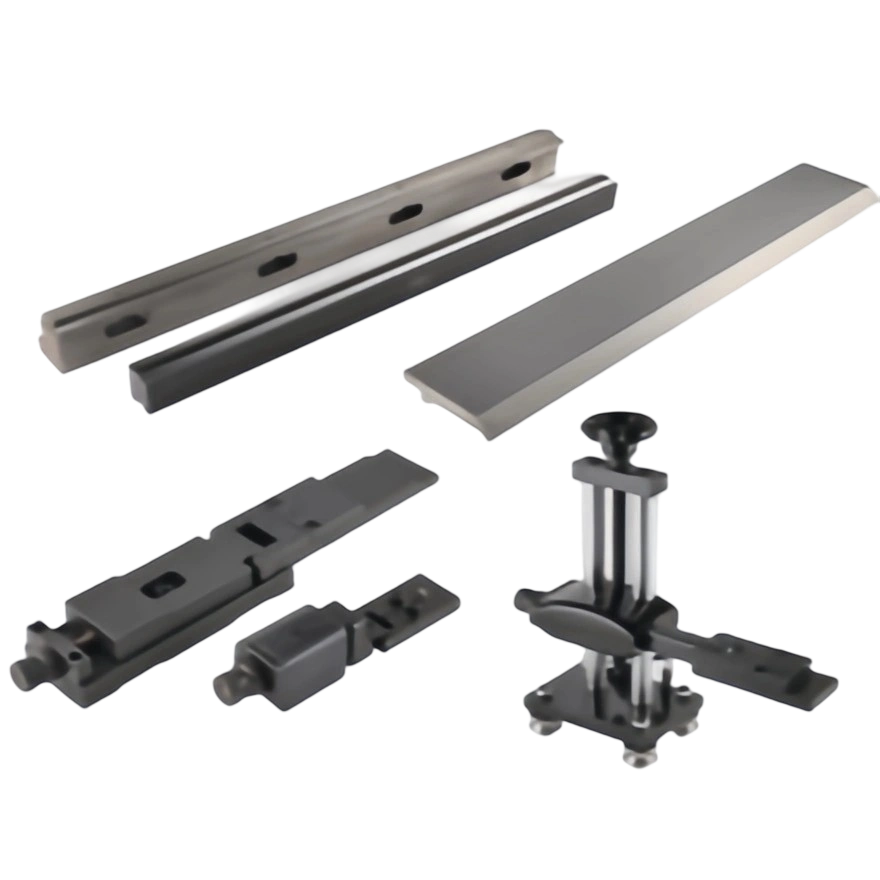
WILA's New Standard Tool Holders are available with manual, pneumatic and hydraulic clamping, allowing the system to be selected according to tooling-change requirements.
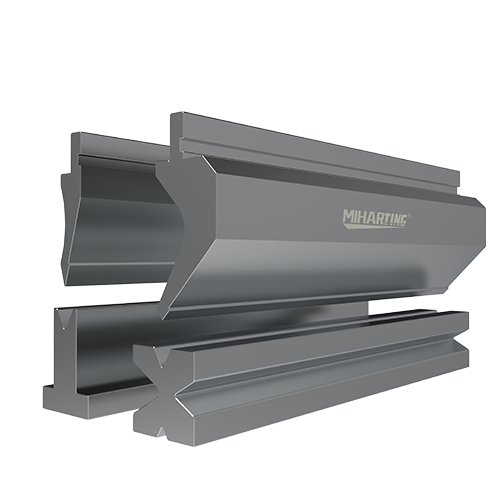
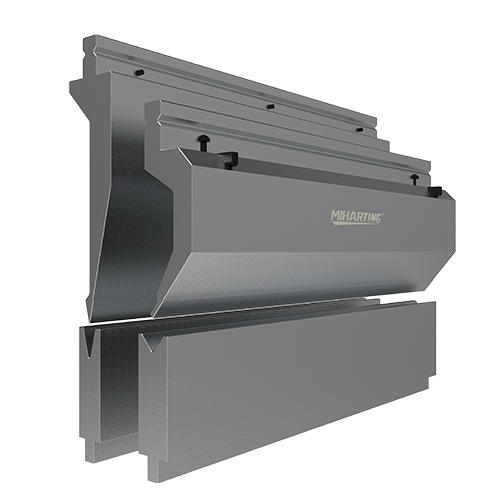
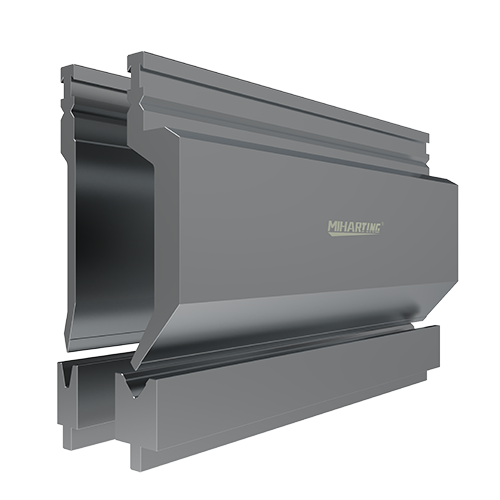
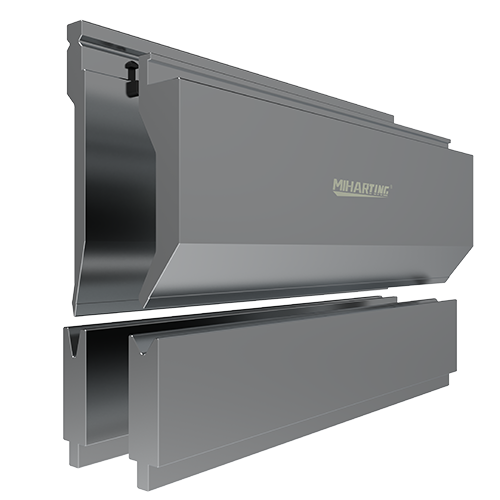
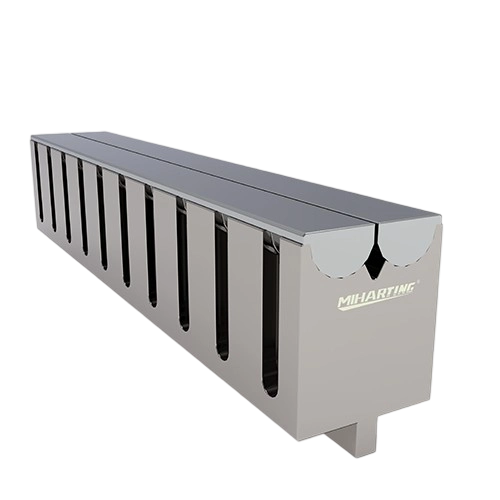
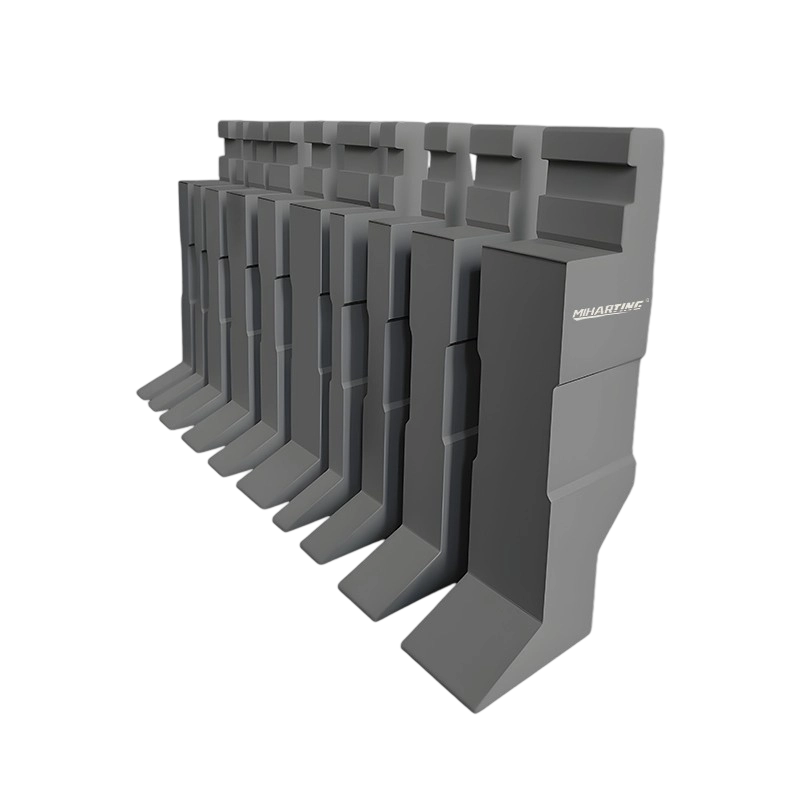
Miharting also offers hydraulic quick-clamping solutions with controlled pressure and configurations for different press brake setups.
High-volume production
Multiple tool changes per shift
Long press brakes
Heavy or segmented tooling
Automated or highly efficient production lines
The trade-off is higher initial investment and more components that require maintenance.
It is important not to compare clamping systems only by a generic “maximum force.”
The required force depends on:
Tool length
Punch geometry
Bending force
Tool weight
Clamping interface
Machine design
Load distribution
Hydraulic systems generally provide the greatest ability to generate and maintain controlled clamping force, while pneumatic systems offer fast and repeatable operation with lower complexity.
For standard applications, however, more clamping force is not automatically better.
The goal is sufficient and stable force to prevent tool movement during bending.
Lowest maintenance requirement
Check bolts, locking components and contact surfaces regularly.
Medium maintenance
Check:
Air pressure
Filters
Seals
Valves
Tubing
Air leakage
Medium to higher maintenance
Check:
Hydraulic pressure
Oil condition
Seals
Hoses
Valves
Pump system
Therefore, the purchase price should not be the only consideration.
A better calculation is:
Total Cost = Purchase + Installation + Maintenance + Downtime + Labor
You change tooling occasionally and want the lowest investment and simplest maintenance.
You run high-mix production and need faster tool changes without a more complex hydraulic system.
Your press brake changes tooling frequently and machine utilization is a major priority.
A simple rule is:
Low tool-change frequency → Mechanical
Medium/high frequency → Pneumatic
Very high frequency → Hydraulic
Before purchasing a quick clamp, confirm that it matches your existing tooling.
Check:
Punch type
Tool height
Tool tang
Clamping interface
Tool length
Segmentation
Machine model
This is particularly important for European tooling systems such as WILA, TRUMPF-style, AMADA and other European-standard tooling.
Miharting provides quick clamping solutions for different tooling configurations, including WILA, AMADA, BYSTRONIC and European-standard systems.
Before choosing a system, record your actual production data:
Tool changes/day × Minutes saved/change × Working days/year
This tells you how much productive time a quick clamp could recover.
For example, if a hydraulic system saves 10 minutes per setup and your machine changes tools 5 times per day:
10 × 5 = 50 minutes/day
That is more than 200 hours of potential production time per year at 250 working days.
The actual ROI depends on your labor cost, machine utilization and number of setups.
There is no universally “best” press brake clamping system.
Mechanical clamping is ideal for simplicity and lower investment.
Pneumatic clamping offers a strong balance between speed, flexibility and operating cost.
Hydraulic clamping is the better choice when tooling changes are frequent and maximum production efficiency matters.
For European manufacturers, the best decision should be based on:
Tool-change frequency + clamping requirements + maintenance cost + machine utilization + ROI
Don't pay for a hydraulic system if your machine rarely changes tooling. But if operators spend hours every week changing punches and dies, the productivity loss may cost much more than the quick-clamping system itself.
Not sure which clamping system fits your press brake?
Send us your machine model, tooling type and tool-change frequency. Our engineers can recommend the right mechanical, pneumatic or hydraulic quick-clamping solution for your production.
Recommended reading:
 Shearing Machine Blade Selection Guide 2026: Heavy-Duty Shear Blades for High-Strength Steel and Stainless Steel CuttingJune 30, 2026In 2026, the sheet metal cutting landscape has shifted significantly. High-tensile steel, wear-resistant plate, duplex stainless steel, and thicker industrial sheet materials have moved from specialty...view
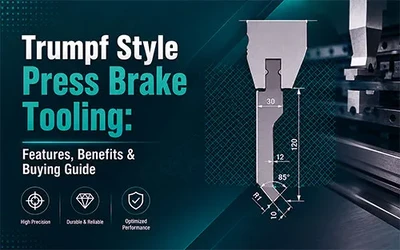 Trumpf Style Press Brake Tooling: Features, Benefits & Buying GuideAugust 27, 2026For manufacturers using high-end CNC press brakes or quick-change clamping systems, Trumpf style press brake tooling has become a preferred choice for precision bending, fast setup, and stable long-term production.view
 LVD Press Brake Tooling: STONE Radius & Custom SolutionsSeptember 23, 2026Learn how to select LVD press brake tooling, including LVD10, LVD15, LVD30, W Style, STONE radius dies, heavy-duty tooling and custom solutions.view
 Complete Guide to Press Brake Dies: Types, Materials and ApplicationsAugust 14, 2026A press brake die is one of the most important components in the bending process. While the machine provides the bending force, the die determines how the sheet is supported and formed.view
 LVD Press Brake Tooling Compatibility Guide: Clamping, Segmentation and Upgrade DecisionsJuly 28, 2026An LVD press brake can remain productive for many years, but tooling decisions become more complicated when a factory adds new materials, inherits mixed tool sets, changes clamping systems or buys rep...view
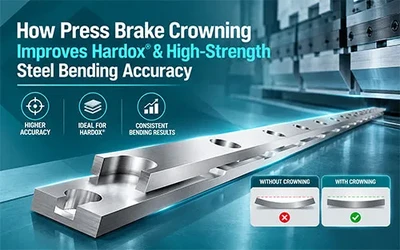 How Press Brake Crowning Improves Hardox® & High-Strength Steel Bending AccuracySeptember 16, 2026Learn why Hardox and high-strength steel require higher bending forces and springback compensation, and how press brake crowning improves long-part angle accuracy.view