EN
 fr
 de
 es
 it
 ru
 pt
 ar
 pl

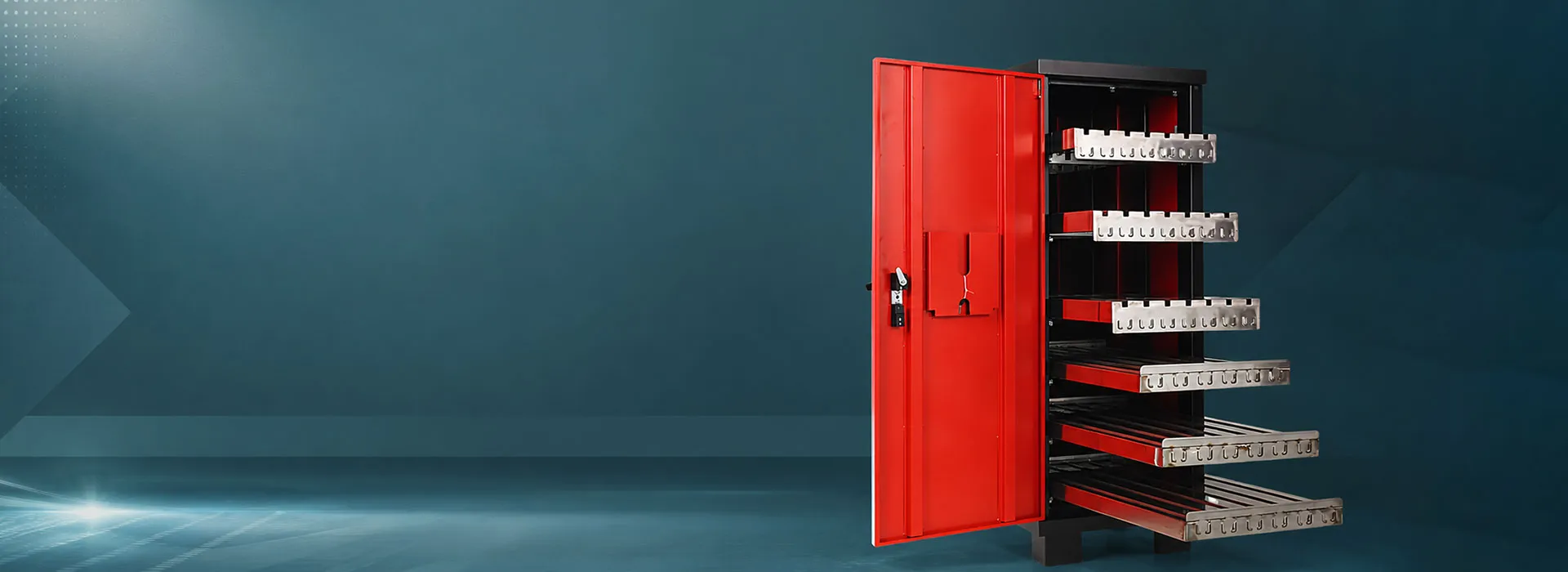
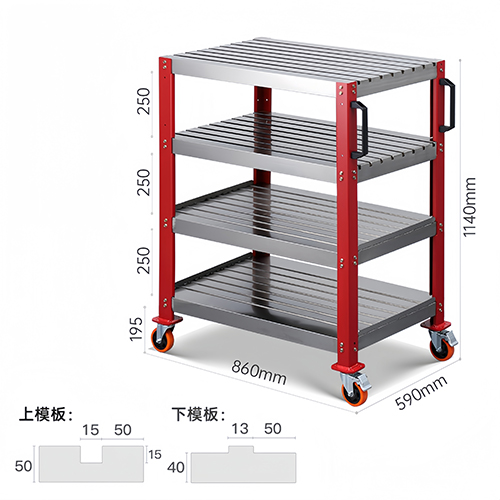
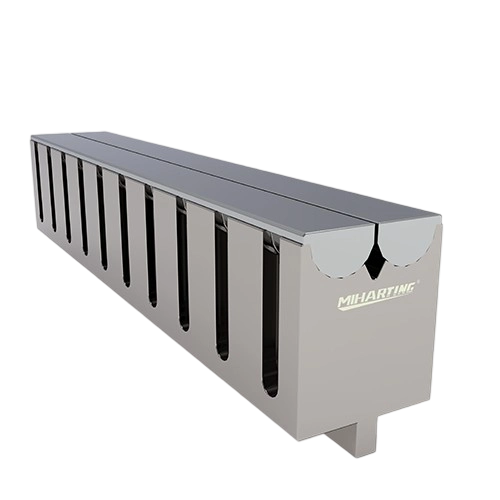
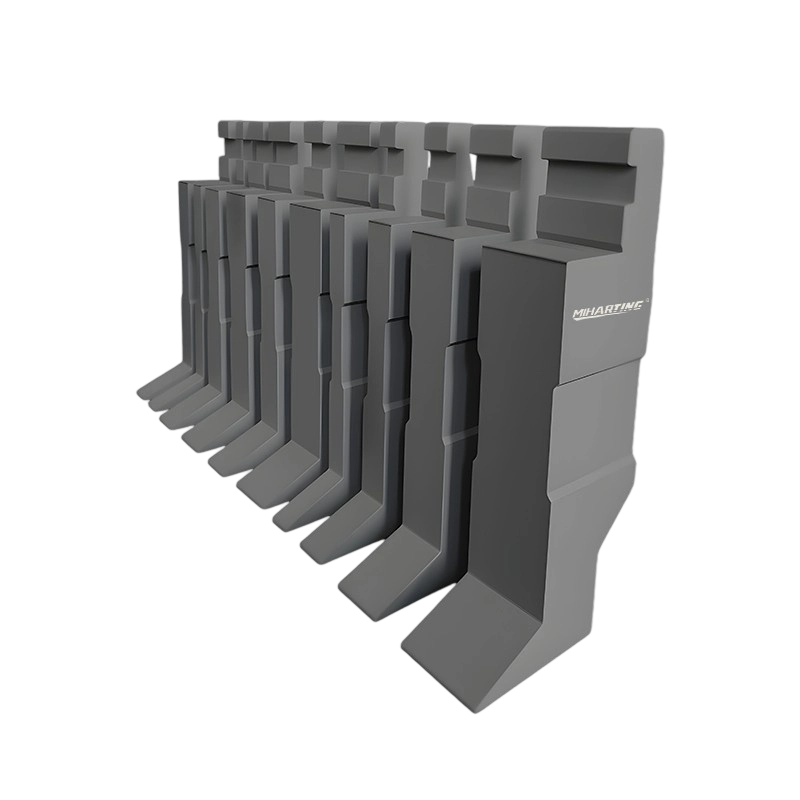
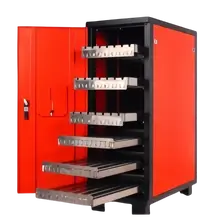
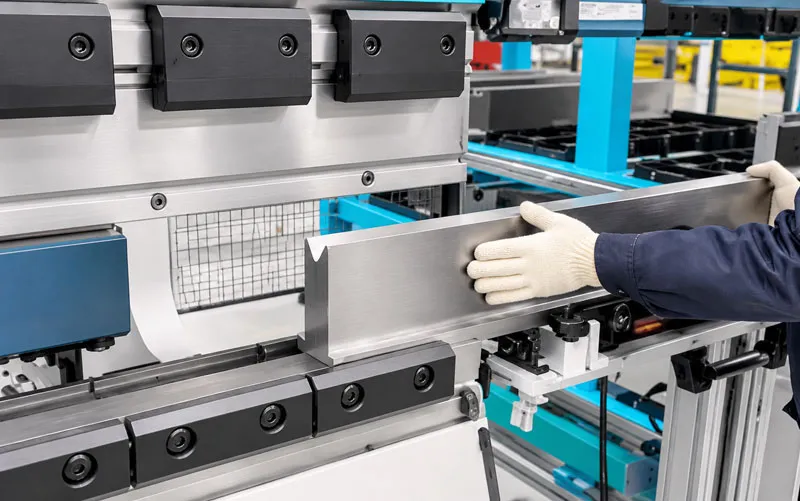
A small press brake tooling rack is designed for workshops that need organized, easy-to-access storage for frequently used punches, dies and related tooling. Compared with leaving tooling on open work surfaces or in mixed storage, a dedicated press brake tool cabinet gives each tool a defined location, making identification, retrieval and return more consistent during daily setup.
For workshops managing multiple tooling families, the rack can be planned as part of a broader press brake tooling storage system. Where tooling needs to move between work areas, buyers may also compare a fixed rack with a press brake tooling cart according to the actual mobile configuration required. Buyers can also review Miharting's press brake accessories range for clamps, backgauges and other related equipment.
Heavy-Duty Press Brake Tool Storage:Heavy tooling needs stable support and a layout that keeps each tool accessible. Tell us your tooling profiles, lengths, quantities, and estimated weights. We can then discuss a suitable cabinet or rack layout and confirm its load capacity before production.
CNC Press Brake Tooling Storage:When several CNC press brakes share punches and dies, storage location matters. Group your tools by machine, tooling system, or bending task. Clearly assigned positions help operators find compatible tools and spot missing pieces during changeovers.
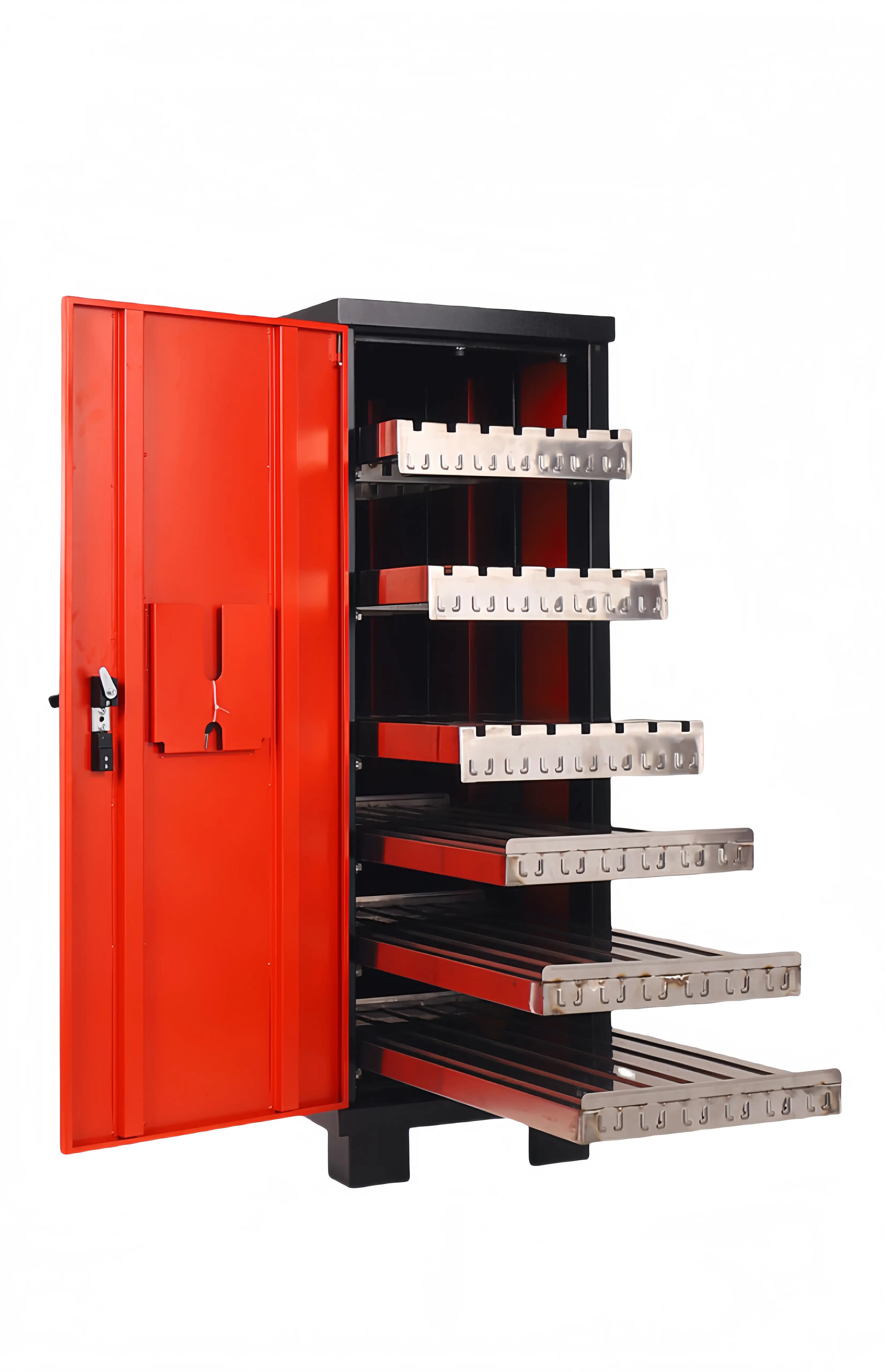
The multi-layer press brake tooling storage cabinet is made of cold-rolled steel plate and uses surface treatment processes including pickling, phosphating and electrostatic spraying. This construction is intended to provide stable support for stored tooling and improve resistance to rust and corrosion in workshop environments.
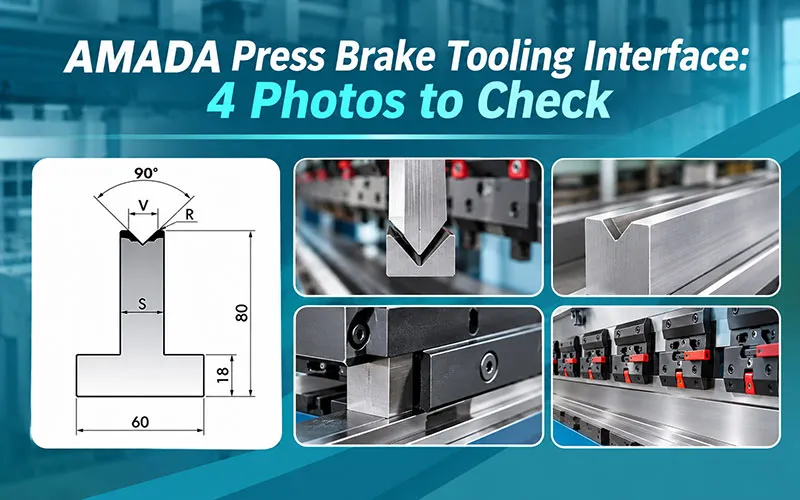
Layered storage helps separate different punch and die profiles so operators can identify and return tools to a defined location after use. For buyers comparing an AMADA press brake tooling cabinet, the storage arrangement should be planned around the actual AMADA-style punches and dies used in the workshop rather than the brand name alone.
These cabinets can also be used to organize China press brake tooling and other press brake tooling families within the same workshop.
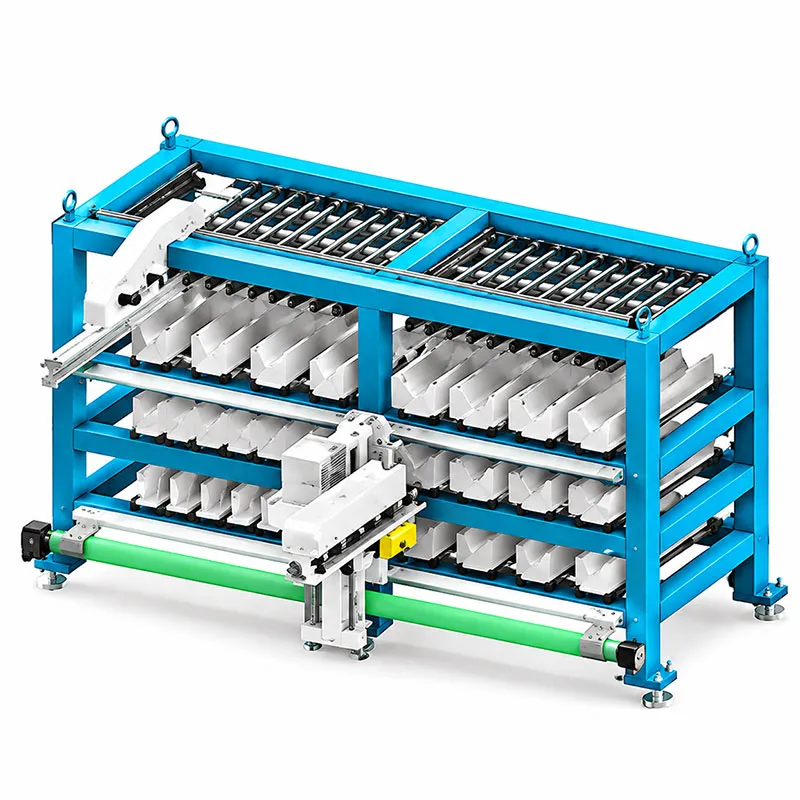
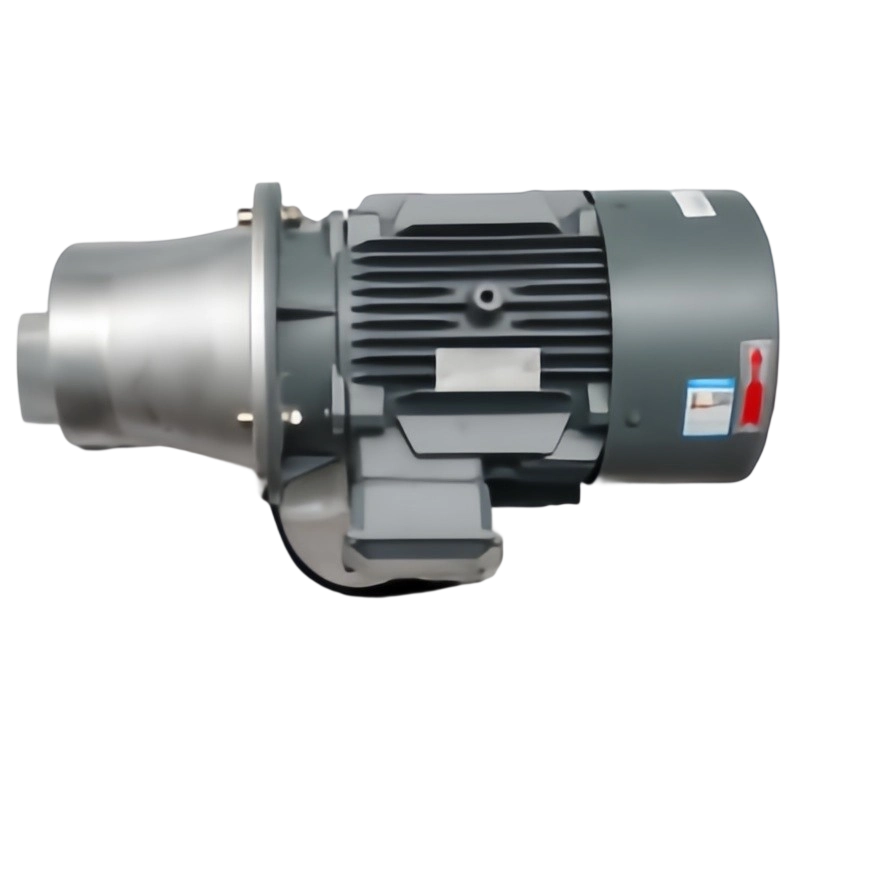
The semi-automatic press brake tooling storage combines with auxiliary tool handling, enabling efficient management of upper and lower tools while providing support for tool changeovers.
Key technical parameters:
Parameter | Reference Specification |
Reference model | Single-slot |
Maximum V opening per slot | V140 |
Maximum weight per slot | 150 kg |
Maximum tool length per slot | ≤ 850 mm |
Lower die storage slots | 42 |
Upper punch storage slots | 20 |
Motor power | 400 W |
Movement speed | 40 mm/s |
Overall dimensions | 2910 × 2208 × 1715 mm |
Scope of Application:
Facilities requiring the management of multiple sets of molds
Operations involving the handling of heavy molds
Key Advantages:
Separate storage for upper and lower mold components
Assistance with mold handling and transport
Rapid location of specific molds, facilitating organized mold management
An ideal choice for workshops with frequent mold changes
Check Tool Dimensions
Measure the length and width of your punches and dies to ensure they will fit into your chosen storage location.
Verify Tool Weight
Determine the actual weight of your tools; the load capacity of the selected storage unit must exceed the weight of the tools.
Assess Tool Quantity
Count the number of punches and dies that need to be stored. Allow extra space for frequently used tools, and account for any additional tools you plan to acquire.
Consider Tool Change Frequency
If heavy tools need to be changed frequently, consider incorporating an auxiliary handling system.
Measure Available Space
Evaluate the floor space around the press brake and the operational area. Ensure there is sufficient clearance for loading tools and operating the chosen storage system.
The most useful starting point for a press brake tooling storage cabinet is the tooling inventory that actually needs to be stored. Before selecting a cabinet or rack, list the main punch and die families, segment lengths, quantities and frequently used tooling sets in your workshop.
This makes it easier to separate commonly used tools, reserve space for longer or heavier sections and avoid choosing a cabinet only by its external appearance. If you already have an inventory list, photos of the current tooling area or a simple workshop layout, send them with your enquiry so the storage arrangement can be reviewed around your actual use.
For buyers searching for an AMADA press brake tooling cabinet, the key question is whether the storage layout matches the actual punch and die sections used in the workshop. The cabinet should be planned from the tooling profiles, segment lengths, quantities and handling requirements rather than assuming that all AMADA-style tooling uses one storage layout.
If you are also reviewing replacement punches and dies, see Miharting's AMADA press brake tooling range before sending the final tooling and storage inventory for quotation.
When comparing a press brake tool cabinet or tooling rack, check the cabinet against the actual tooling that will be stored. Useful items to confirm include:
• Overall cabinet dimensions
• Usable storage dimensions
• Rated cabinet and shelf/layer load
• Number and arrangement of storage positions
• Compatible punch and die sections
• Wheel or caster capacity, if mobile
• Locking and anti-tip features, if required
• Cabinet material and surface finish
• Label or identification method
• Forklift or lifting access, if required
• Custom layout options
These details make it easier to compare storage solutions on practical workshop use rather than appearance alone.
If a standard rack or cabinet layout does not match your tooling inventory, send the current tool list for a custom storage review. Useful information includes:
• Tooling brand or style
• Punch and die profiles
• Segment lengths
• Quantity of each tooling family
• Approximate tool weight, if available
• Frequently used tooling sets
• Available floor space
• Whether the cabinet needs to be mobile or fixed
• Photos of the existing storage area, if available
Miharting can use this information to discuss a storage arrangement that fits the actual tooling mix in your workshop.