EN
 fr
 de
 es
 it
 ru
 pt
 ar
 pl

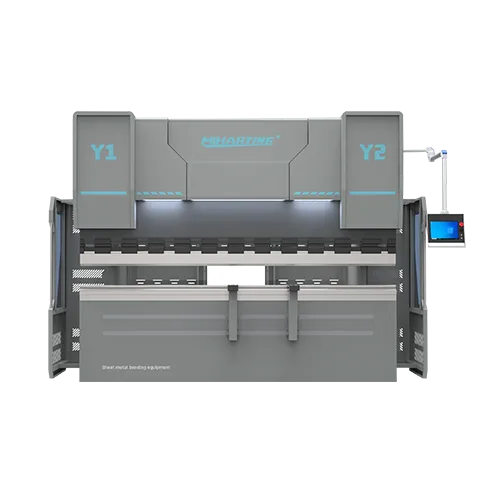
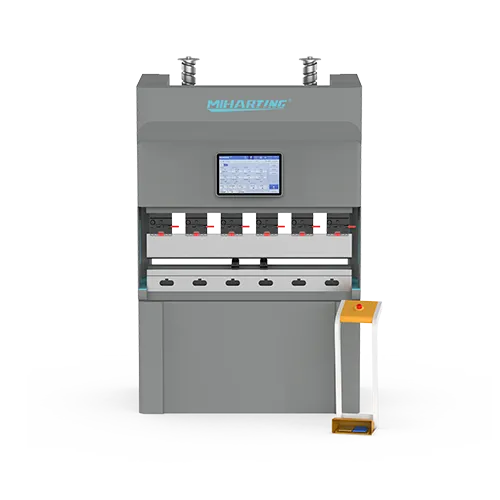
1. Wide processing range: Sheet metal equipment can process various types of sheet metal materials, such as steel plates, aluminum plates, stainless steel plates, etc., to meet the needs of different mold manufacturing.
2. High processing accuracy: Sheet metal equipment uses advanced control systems and sensors to achieve precise processing control and ensure the size and shape accuracy of mold parts.
3. High production efficiency: Sheet metal equipment can realize automated processing, reduce manual operation, and improve production efficiency. At the same time, sheet metal equipment can also perform multi-station processing, realize simultaneous processing of multiple parts, and further shorten the production cycle.
4. Strong flexibility: Sheet metal equipment can be customized according to different mold manufacturing requirements to meet the personalized needs of different customers. At the same time, sheet metal equipment can also combine multiple processing methods to achieve the integration of multiple functions.
5. Reduce production costs: Sheet metal equipment can realize automated and intelligent processing, reduce labor costs and material waste, and reduce production costs. At the same time, sheet metal equipment can also improve processing accuracy and production efficiency, reduce scrap rate and rework rate, and further reduce production costs.
In summary, bending machine molds and sheet metal bending tools have broad application prospects and significant advantages in the mold manufacturing industry, and are important tools and equipment that are indispensable to the mold manufacturing industry.
| Project | Suggested Content |
|---|---|
| Typical Workpiece | Equipment enclosures, electrical cabinet door panels, control boxes, mounting brackets, U-shaped channels |
| Common Materials | Carbon steel, stainless steel, aluminum sheet, galvanized sheet |
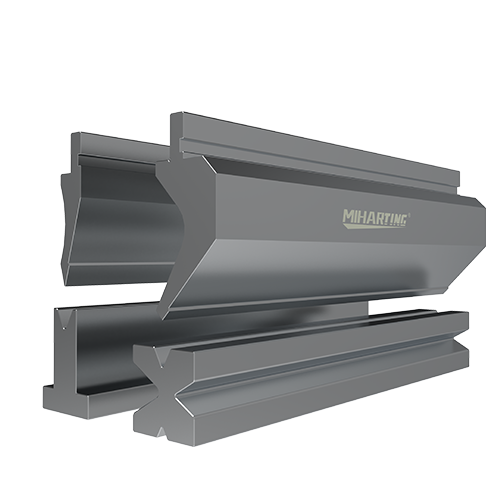
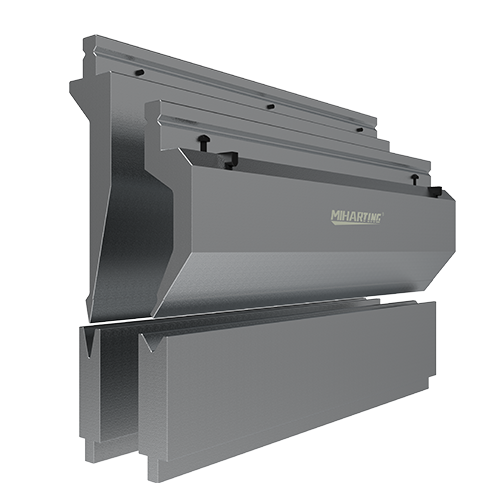
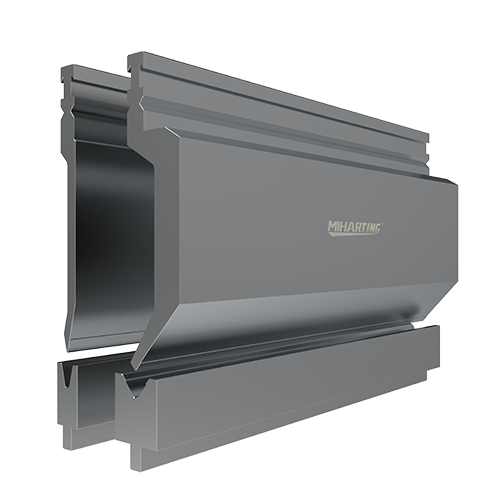
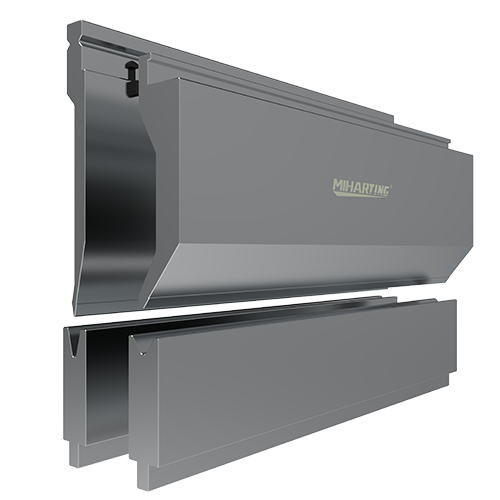
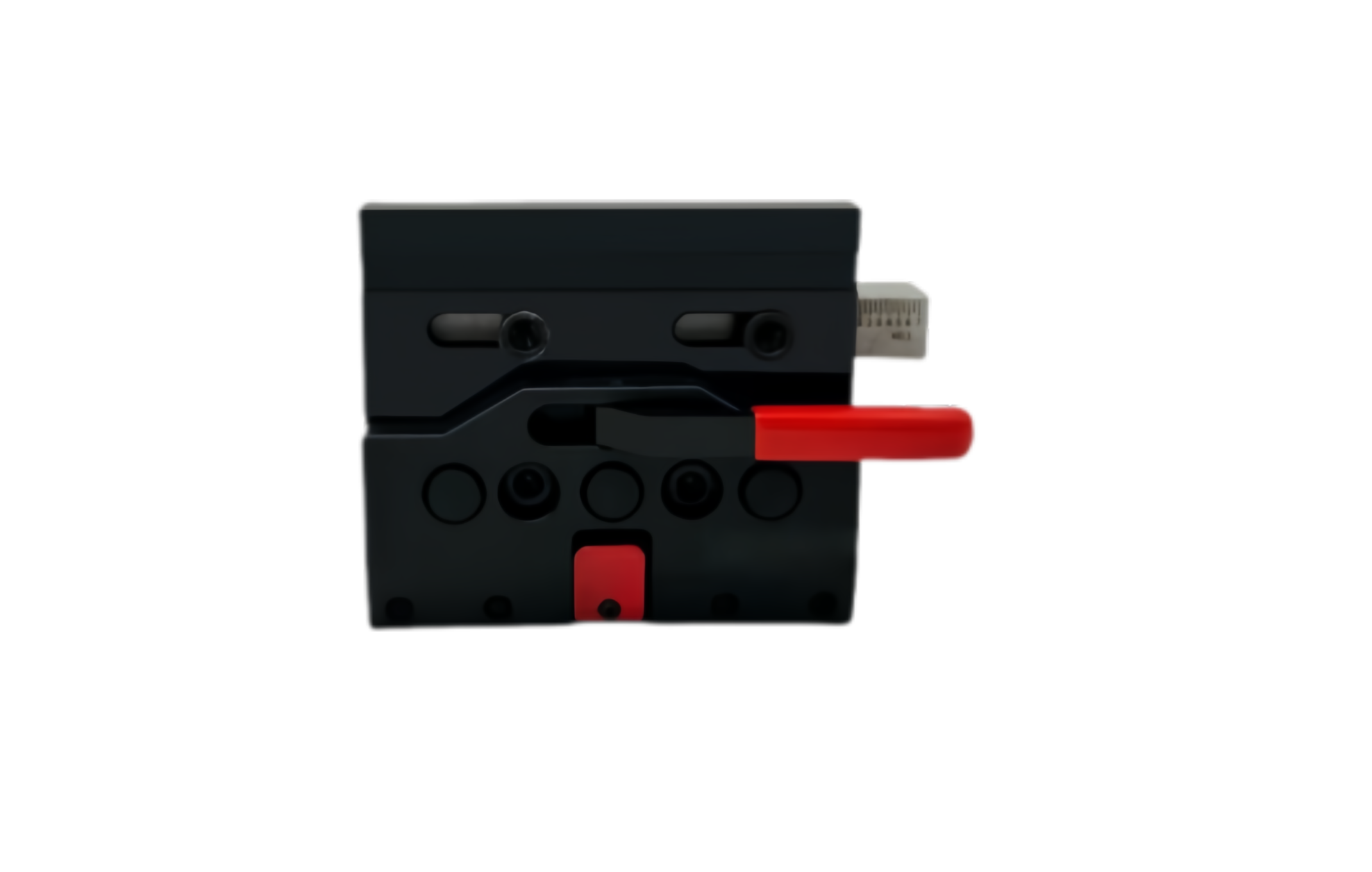
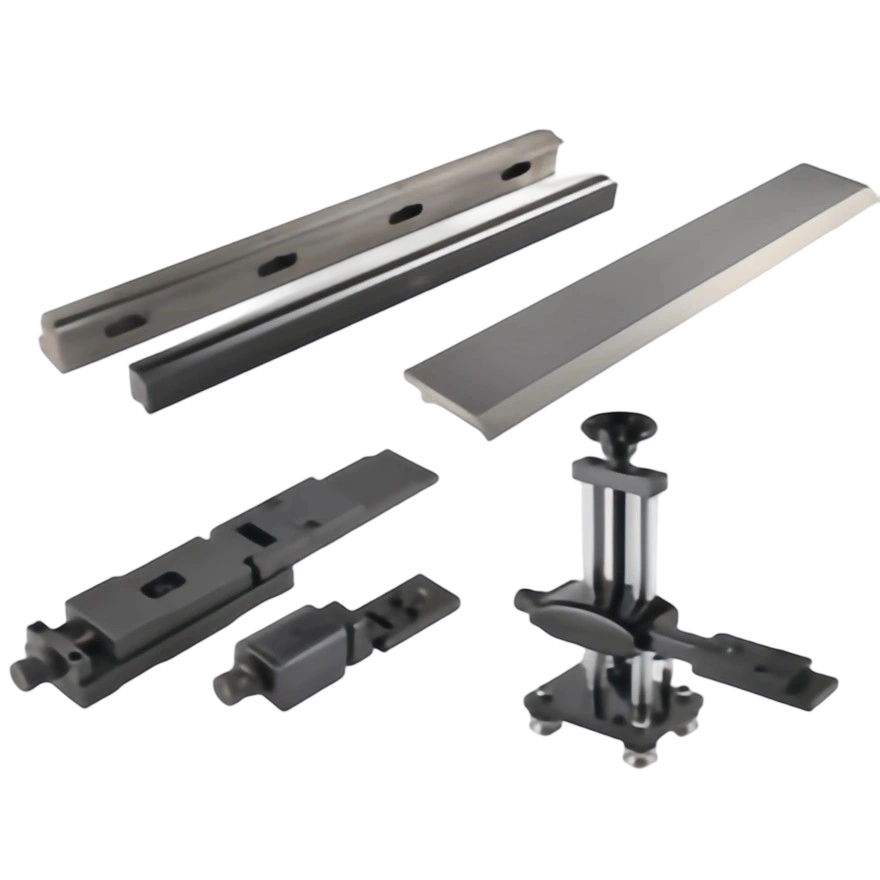
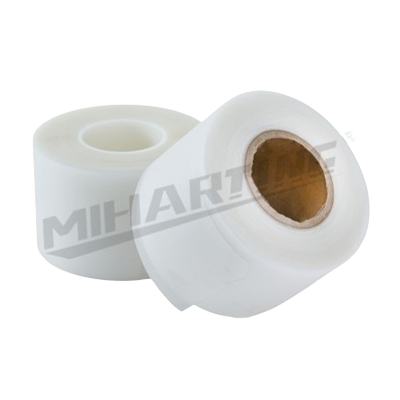
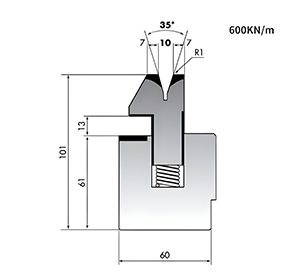
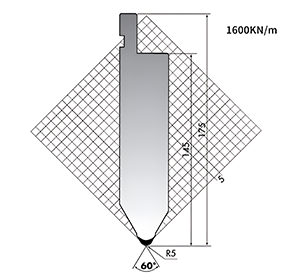
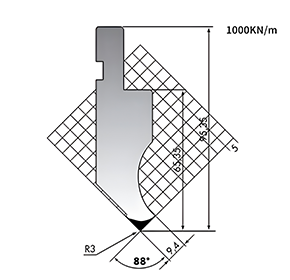
| Mold Selection | Standard upper dies and V-shaped lower dies; for box-shaped parts, consider using gooseneck dies; for surface-sensitive materials, evaluate the use of protective films or low-indentation tooling solutions. |
| Forming Challenges | Clearance for enclosure flanges, hole positioning near bend lines, consistency of bend angles along long sides, and surface scratches |
| Need to confirm with the client | Material and thickness, shortest side, box depth, hole-to-edge distance, surface requirements, bending sequence |
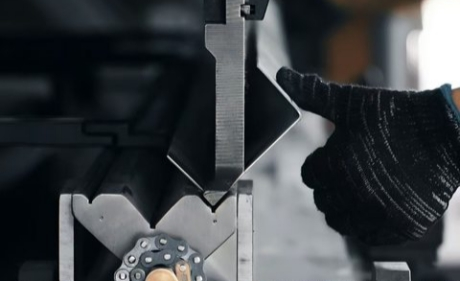
Machine covers and electrical enclosures often require multiple bends, short flanges, and clean surfaces. You need tooling that provides sufficient clearance through the complete bending sequence.
Standard V dies suit many common bends. Gooseneck punches or surface-protection solutions may be considered when your part geometry or finish requires them.