EN
 fr
 de
 es
 it
 ru
 pt
 ar
 pl

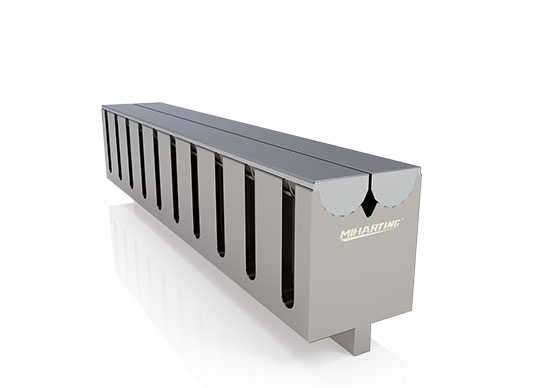
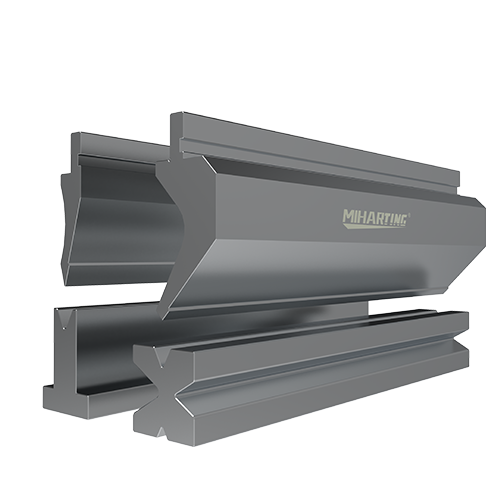
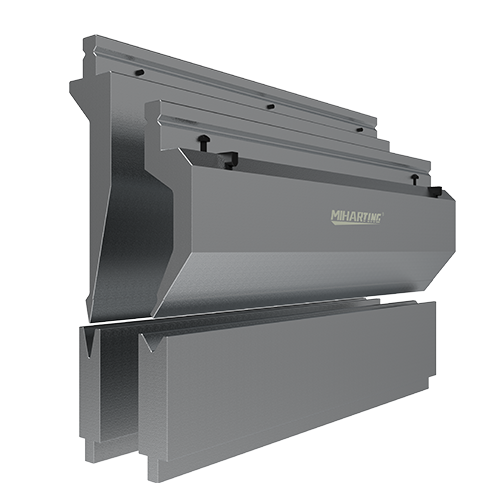
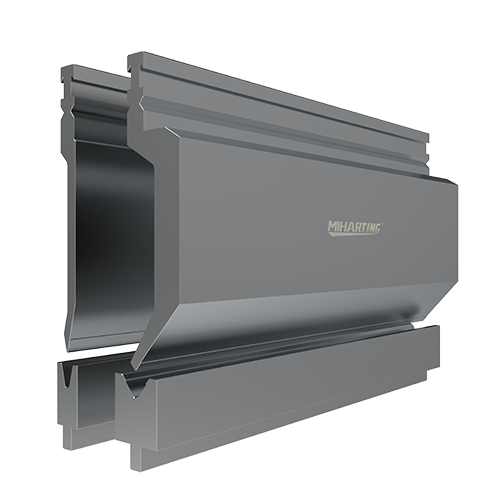
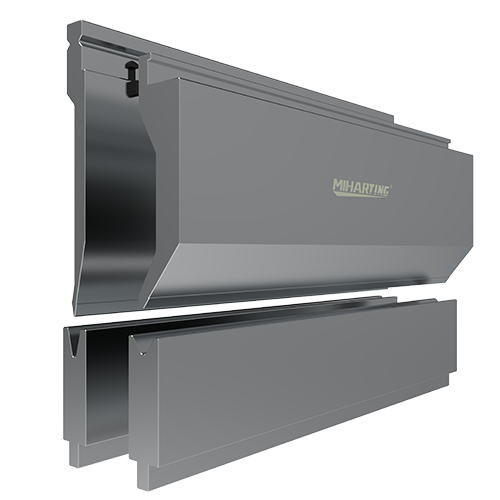
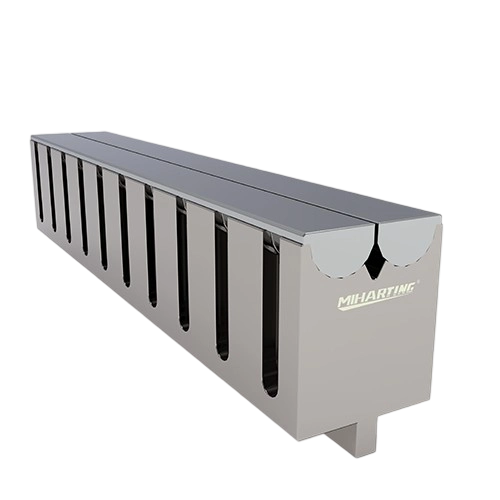
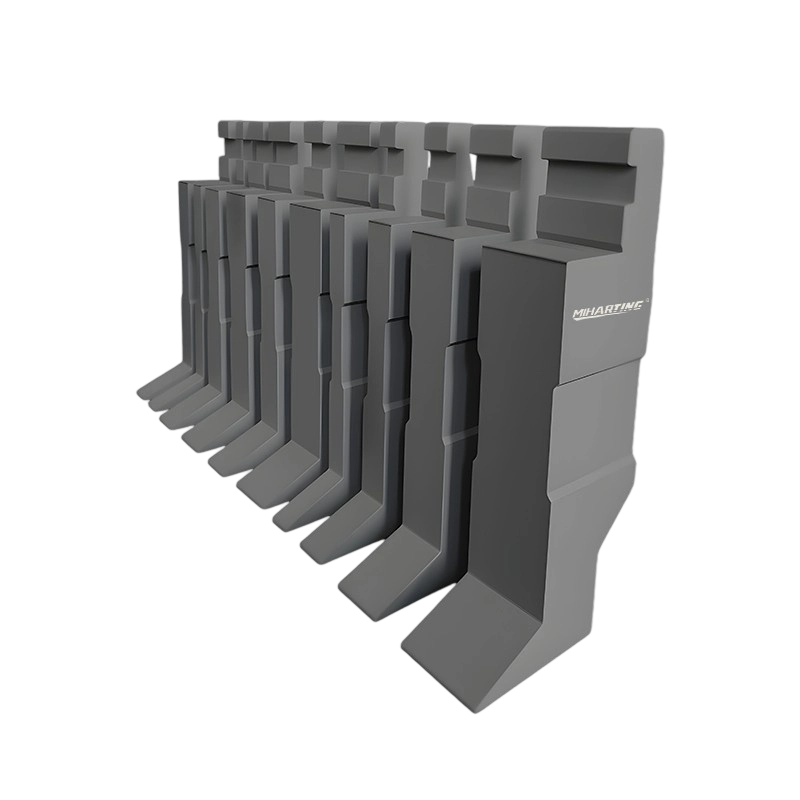
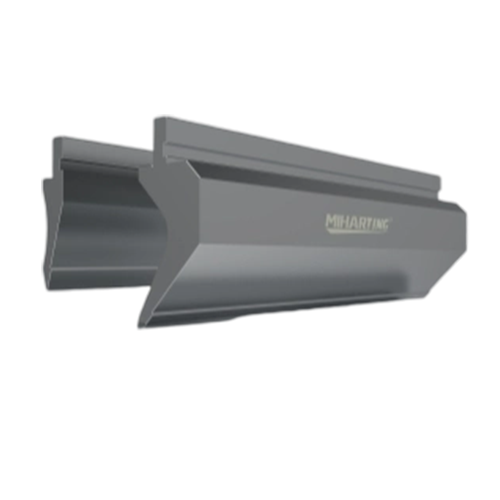
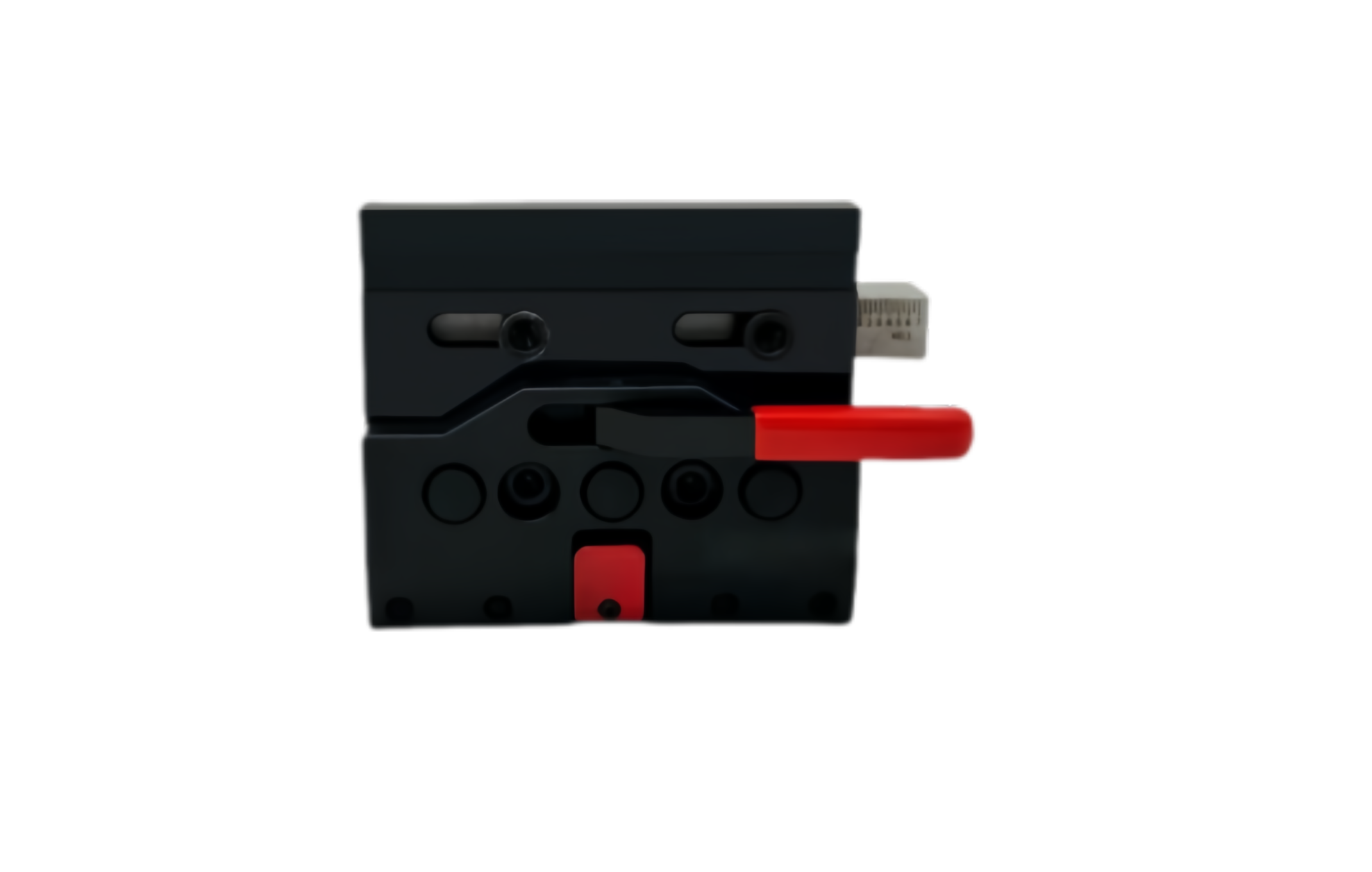
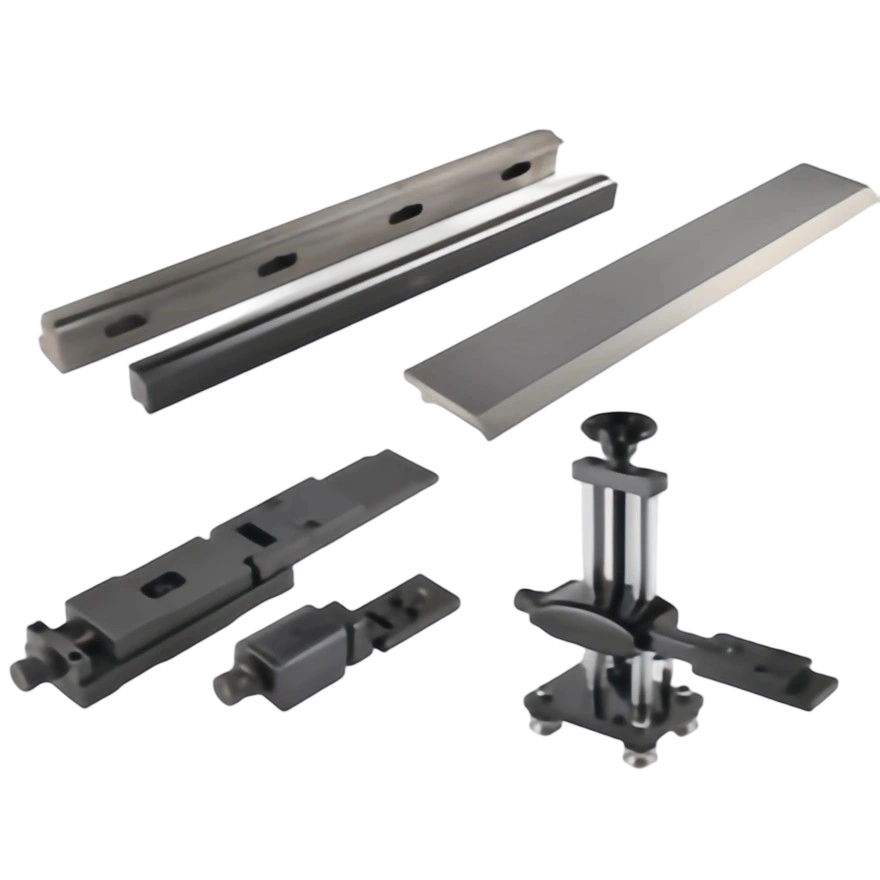
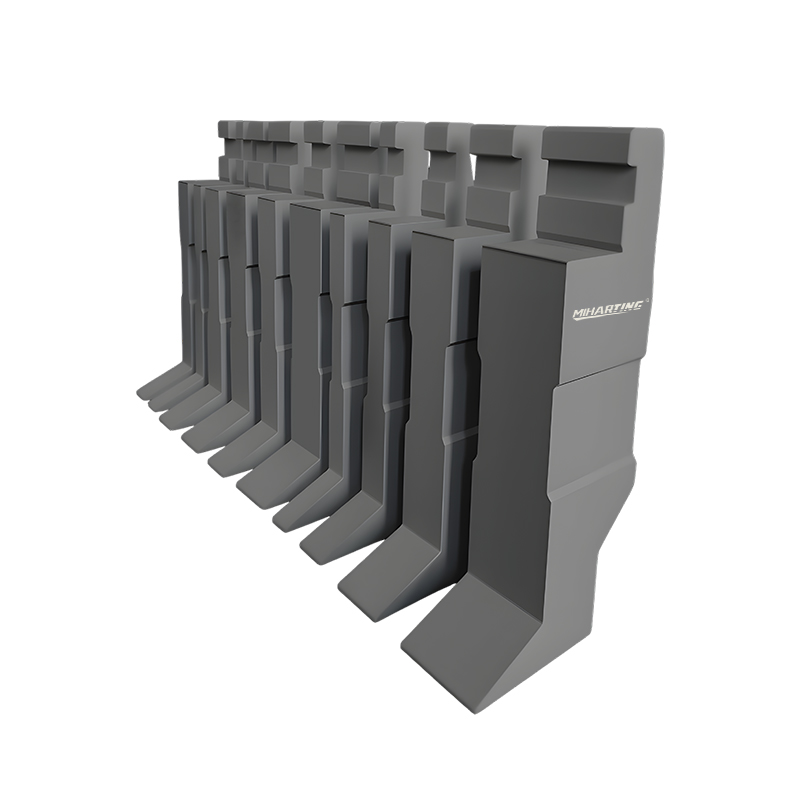
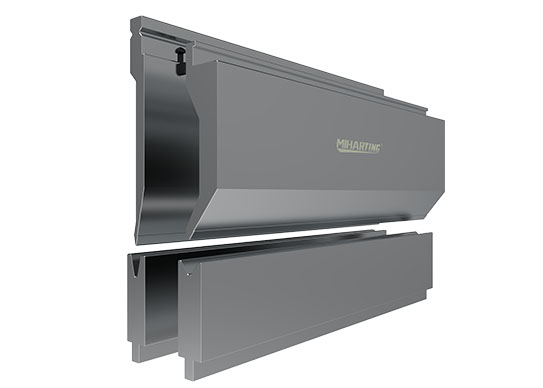
MIHARTING Rolla V Dies utilize precision machining processes,and the price is fair.
Designed specifically for the high-precision forming of complex workpieces.
Rolla v press brake tooling represents the ultimate solution for achieving bends of exceptional aesthetic quality.
√ Mark-Free Bending
√ Ultra-Short Flange Capability
√ Bending Near Holes Without Distortion
√ Reduced Bending Force
√ High-Precision Machining
√ Easy Maintenance & Long Life
Rolla V dies use rolling contact at the die shoulders instead of relying only on the sliding contact of a conventional fixed V-die. This Rolla V tooling concept changes the contact condition between the sheet and the lower tool and can be useful when surface appearance or difficult flange geometry is an important part of the bending requirement.
Typical materials considered for Rolla V press brake dies include stainless steel, aluminum and coated sheet. Final suitability should be confirmed from the material, thickness, bend length, required inside radius, flange geometry and press capacity.
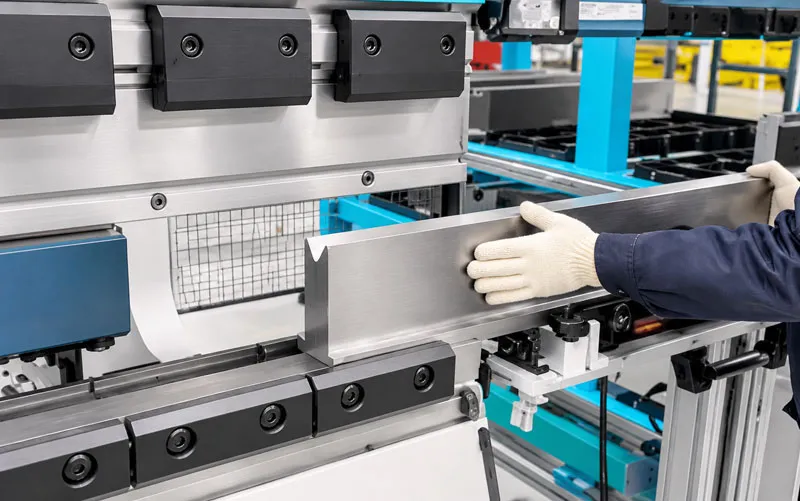
For buyers comparing press brake tooling manufacturers, the useful distinction is whether the supplier can review die geometry, material, part requirements and the existing press brake interface before quotation. Miharting supports buyers sourcing China press brake tooling by reviewing Rolla V die requirements against these inputs.
A Rolla V press brake tooling design uses rotating contact elements at the die shoulders as the sheet moves into the die. Compared with a conventional fixed V-die, this changes the contact condition between the sheet and the lower tool.
The actual bending result from Rolla V press brake tooling depends on the tooling geometry, material, thickness, bend length, required radius and machine capacity. For custom Rolla V dies, the tool drawing and key dimensions are confirmed before production.
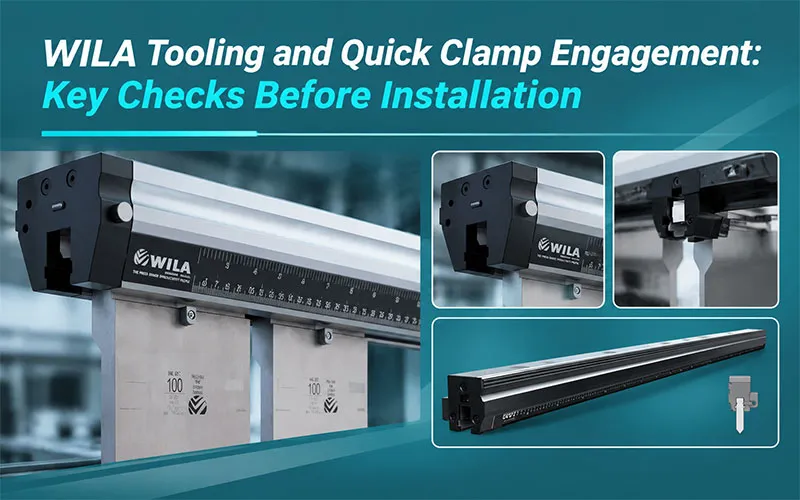
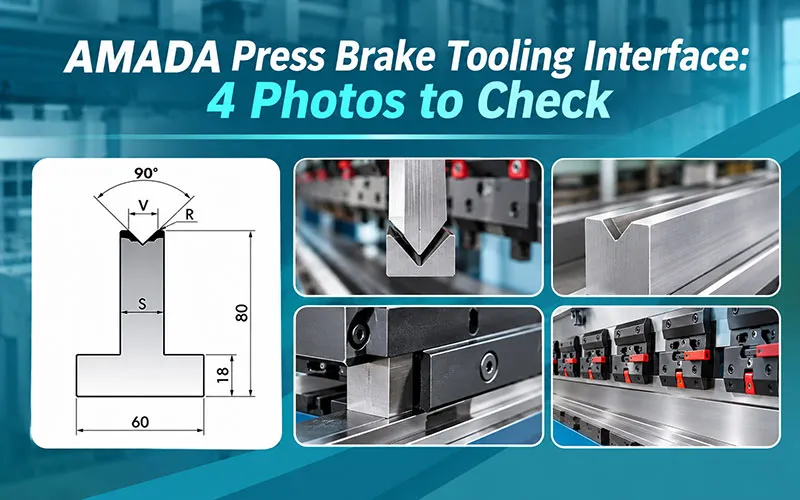
Select Rolla V tooling from the actual bending requirement rather than the product name alone. Confirm the material and surface condition, thickness, bend length, flange length, required inside radius and the press brake's lower-tool interface.
When comparing Rolla V press brake dies, confirm the effective opening, tool height, roller/contact geometry, working length, segmentation and load requirement.
Rolla V dies price depends on the confirmed geometry, working length, material, surface treatment, segmentation, customization and quantity. For an accurate quotation, send the press brake model, lower-tool interface dimensions, material, thickness, maximum bend length, required radius and current-tool photos or drawings.
If the application can also be handled by a conventional V-die, Miharting can compare a Rolla Vee die with a conventional V die from the submitted bending requirement. For broader tooling options, explore Miharting's press brake tooling range.
For conventional die categories beyond Rolla V, review Miharting's press brake dies range for standard and custom lower-tool options.
Rolla V tooling can be evaluated for applications involving:
• Stainless steel sheet
• Aluminum sheet
• Coated or appearance-sensitive sheet
• Parts where surface marking is a major concern
• Parts with demanding flange geometry
The suitability of Rolla V dies should be confirmed from the material, thickness, bend length, flange size, required inside radius, press capacity and tooling interface.
Rolla V dies price depends on the confirmed tool specification rather than a single standard price. Typical quotation factors include:
• Working length
• Tool geometry and opening
• Load requirement
• Full-length or segmented design
• Tooling interface
• Material and surface treatment
• Custom machining requirements
• Quantity
• Packaging and delivery requirements
Send your press brake model, bending requirement and available drawings to receive a project-specific quotation.