EN
EN

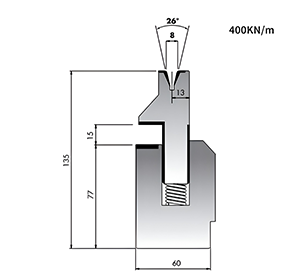
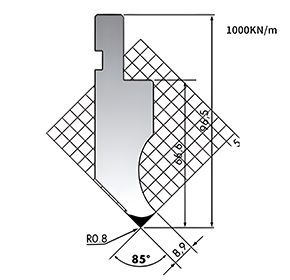
Bending sheet metal by hand is a skill that can save time and money, and it can be essential for custom projects where machine bending isn't feasible. Understanding the correct tools required and the step-by-step process ensures a smooth, precise bend every time. Knowing the gauge limits and avoiding common errors are equally vital in achieving the desired outcome. This article explores how to bend sheet metal by hand, detailing the processes, tools, and techniques required to do it safely and successfully while highlighting tools like press brake dies, press brake tooling, and the use of a press brake back gauge.
Before diving into the process, it is crucial to understand which gauges of sheet metal can be safely bent by hand. The gauge indicates the thickness of the metal, and the ability to bend various gauges depends on the characteristics of the metal, including its hardness and type. For instance, softer metals like aluminum may be hand bent at thicker gauges compared to harder metals like steel.
Gauge | Material | Max Hand Bend Thickness |
18 gauge | Aluminum | 1.27 mm |
22 gauge | Steel | 0.76 mm |
20 gauge | Copper | 0.91 mm |
Properly understanding the relationship between gauge, material, and thickness can prevent over-bending and reduce the risk of material fatigue or cracking. This foundation is critical before moving on to other aspects like brake tooling or finding suitable press brake dies for sale for more extensive projects.
Bending sheet metal by hand involves several methodical steps that must be followed accurately to achieve precise results. Below is a detailed procedure for manual metal bending:
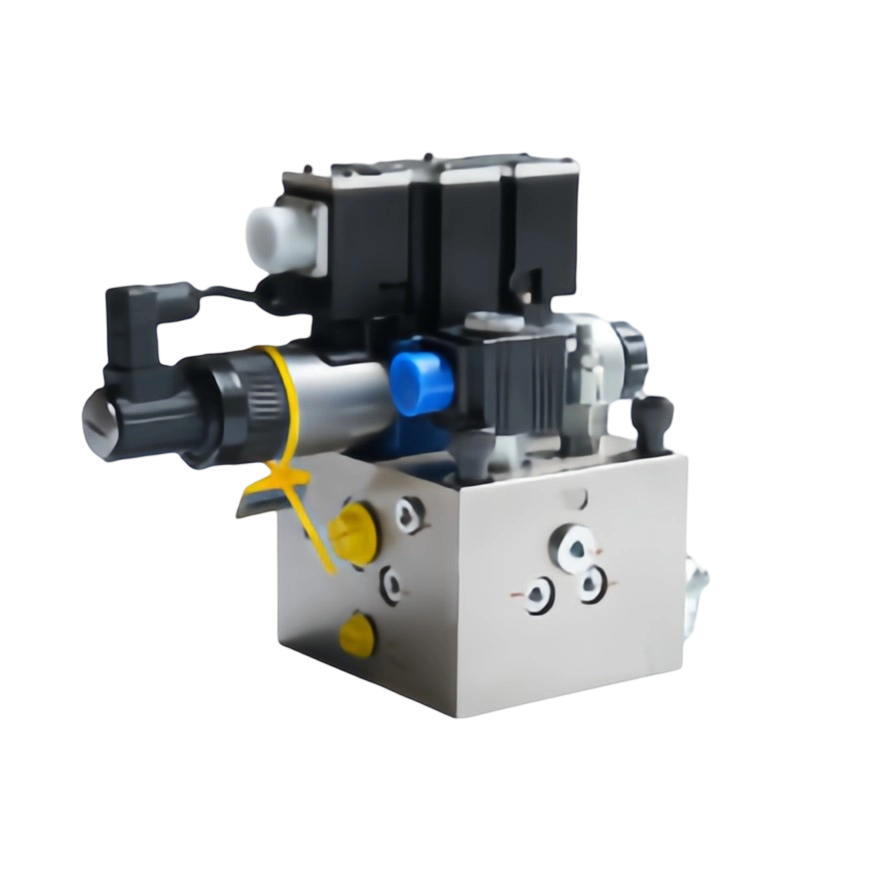
Plan: Before starting, determine the bend angle, the proportional valve (if necessary), and the appropriate sheet metal bending tools.
Mark: Clearly mark the bend line using a permanent marker or scribe for accuracy.
Secure: Clamp the sheet metal firmly onto a flat surface, ensuring no movement during the bend.
Bend: Use a metal bar or wood piece, apply steady pressure along the bend line, move uniformly to avoid warping.
Check: Use a protractor to verify the accuracy of the bend angle, making adjustments as needed.
For enthusiasts looking for comprehensive solutions, investing in custom metal stamping dies or amada press brake tooling might offer more versatility and precision for frequent or professional bending tasks.
Bending sheet metal necessitates specific tools that facilitate precise and safe handling of the metal. While you can achieve simpler projects with minimal equipment, a few essential tools make the process smoother:
Clamps: To secure the metal during the bending process.
Bending Bars or Blocks: Ideal for creating uniform bends without specialized press brake tooling.
Protractor or Bend Radius Gauge: To measure the angle of the bend throughout the process accurately.
Press Brake Tool: For more complex bends requiring professional equipment.
Marker/Scribe: Essential for marking precise bend lines.
For those frequently dealing with different bending angles or metals, a proportional valve diagram might aid in understanding and adapting the process for various press brake dies and ensuring consistent quality and precision.
Even experienced metalworkers might encounter difficulties when bending sheet metal. Below are some common pitfalls to avoid:
Insufficient Securing: Failing to clamp the metal properly can lead to inaccurate bends.
Inaccurate Measurements: Always double-check measurements and bend lines to prevent errors.
Over-Bending: Know the maximum bend for your material to avoid fatigue or cracking.
Wrong Tool Choice: Ensure tools like the correct press brake tool or clamping system are suited for the metal's thickness and hardness.
Utilizing proper tools and techniques, like appropriate press brake tooling, can ensure both safety and precision, minimizing the chances of these common mistakes.
The final step in manual sheet metal bending involves the finishing processes, ensuring edges and surfaces are smooth and precise for a professional appearance:
Deburring: After bending, use a deburring tool to smooth out any rough or sharp edges created during the process.
Sanding: For a smooth finish, light sanding may be necessary, depending on the desired end look.
Painting or Coating: Apply protective coatings where necessary, especially for metals prone to corrosion.
Enthusiasts searching for robust tools can find various press brake dies for sale that offer reliable precision and durability for finishing sheet metal projects with ease.
Understanding the process of bending sheet metal by hand allows for flexibility and customization in metalworking projects. Mastering this skill involves knowledge of gauge limits, the correct tools, and an awareness of potential pitfalls to ensure consistent and safe execution. For more complex projects, integrating press brake back gauge systems, proportional valves, and custom solutions like press brake dies are crucial for achieving professional-grade results with greater efficiency. Whether you're a hobbyist or a professional looking for better insights into press brake tooling, this guide serves as an essential reference point in your sheet metal bending endeavors.
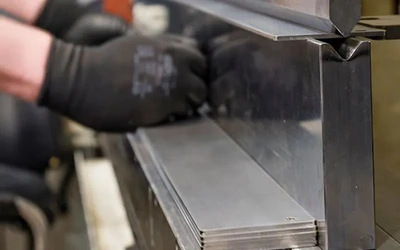 Bystronic Press Brake Tooling Catalogue: A Practical Selection and Compatibility GuideJuly 28, 2026A tooling catalogue is useful only when it helps an engineer move from a part drawing to a safe, repeatable bending setup. Buyers often start with a machine brand and a familiar tool description, but ...view
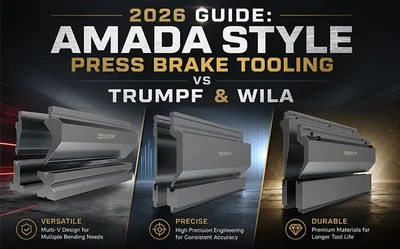 2026 Guide: Amada Style Press Brake Tooling vs Trumpf & WilaMay 26, 2026In this guide, we will focus on analyzing the advantages of Amada press brake tooling and compare it with its competitors.view
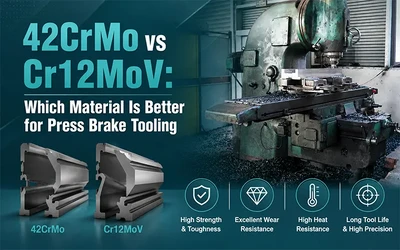 42CrMo vs Cr12MoV: Which Material Is Better for Press Brake Tooling?September 2, 2026For press brake punches and dies, the right material needs to balance hardness, toughness, wear resistance and application requirements. A material that performs well in high-volume production may be unnecessary for a general sheet metal workshop.view
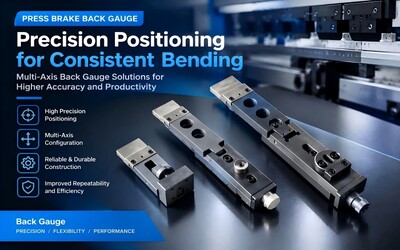 Press Brake Back Gauge Calibration: 7 Signs Your Positioning System Needs AdjustmentSeptember 18, 2026A press brake may produce the correct bend angle while still delivering inconsistent flange dimensions from one part to the next. In many cases, the problem is not the bending force or the tooling its...view
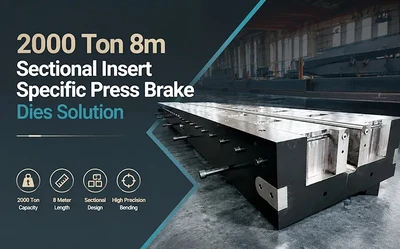 2000 Ton 8m Sectional Insert Specific Press Brake Dies SolutionJuly 20, 2026High-performance 2000 ton 8m sectional insert specific press brake dies for bending max 50mm thick 8m metal sheets. Manual & electric adjustable lower dies with 42CrMo material, low friction rotary round bar, fast V-opening adjustment for mass heavy plate processing.view
 Press Brake Backgauge Upgrade Guide 2026: How a CNC Backgauge System Improves Bending Speed and AccuracyJune 30, 2026In 2026, sheet metal manufacturers across fabrication shops, electrical cabinet factories, HVAC duct producers, elevator panel manufacturers, and automotive component suppliers are facing a convergenc...view