EN
EN


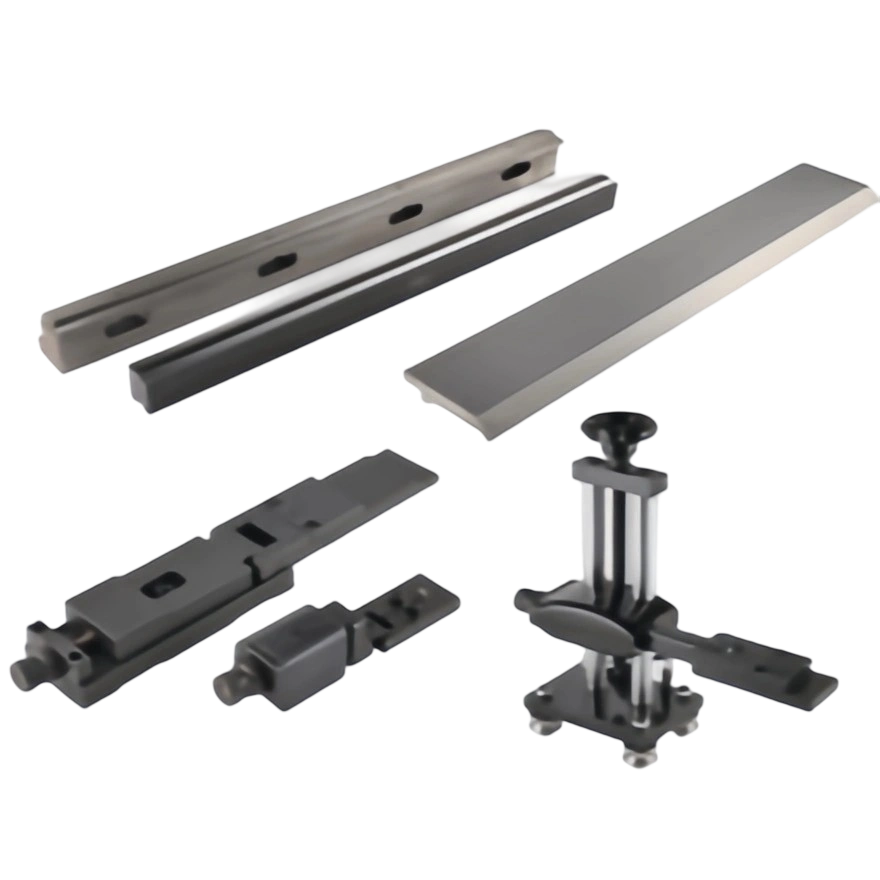
1. Composite molds: commonly used to manufacture complex-shaped aerospace parts, such as airfoils, propellers, etc. The main advantage is that complex-shaped parts can be manufactured quickly and efficiently.
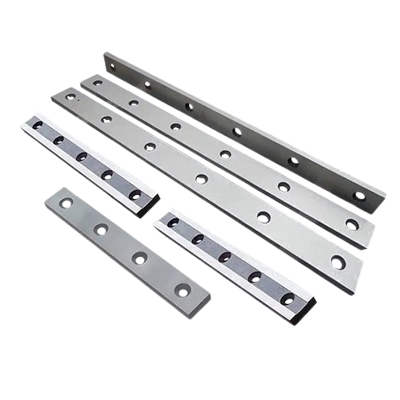
2. Metal molds: commonly used to manufacture metal parts, such as various parts and shells of aircraft engines. Metal molds have high wear resistance and high-temperature deformation resistance, which can meet the high requirements of the aerospace field for the quality of parts.
3. Plastic molds: have the advantages of low cost and short manufacturing cycle, which can meet the demand for large quantities of parts in the aerospace field.
4.3D printing molds: With the development of 3D printing technology, the application of 3D printing molds in the aerospace field is also increasing. 3D printing molds can quickly manufacture parts with complex shapes, with the characteristics of manufacturing flexibility and low cost, and can meet the needs of the aerospace field for small batches and personalized parts.
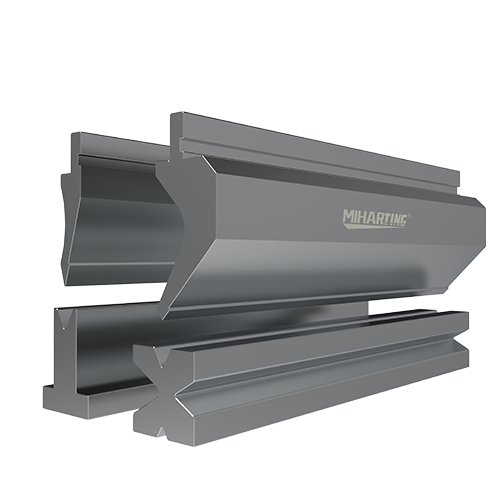
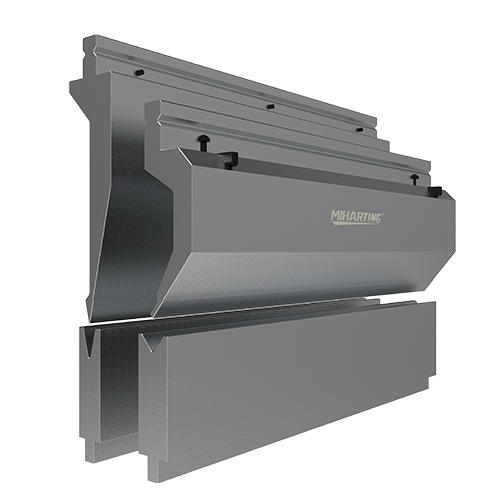
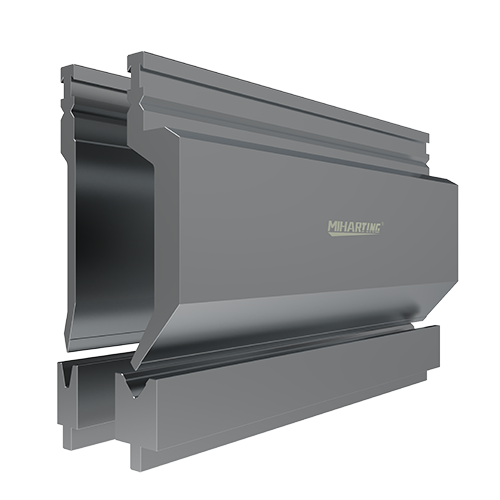
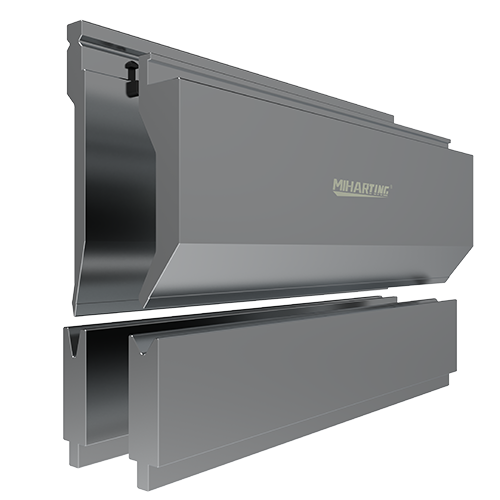
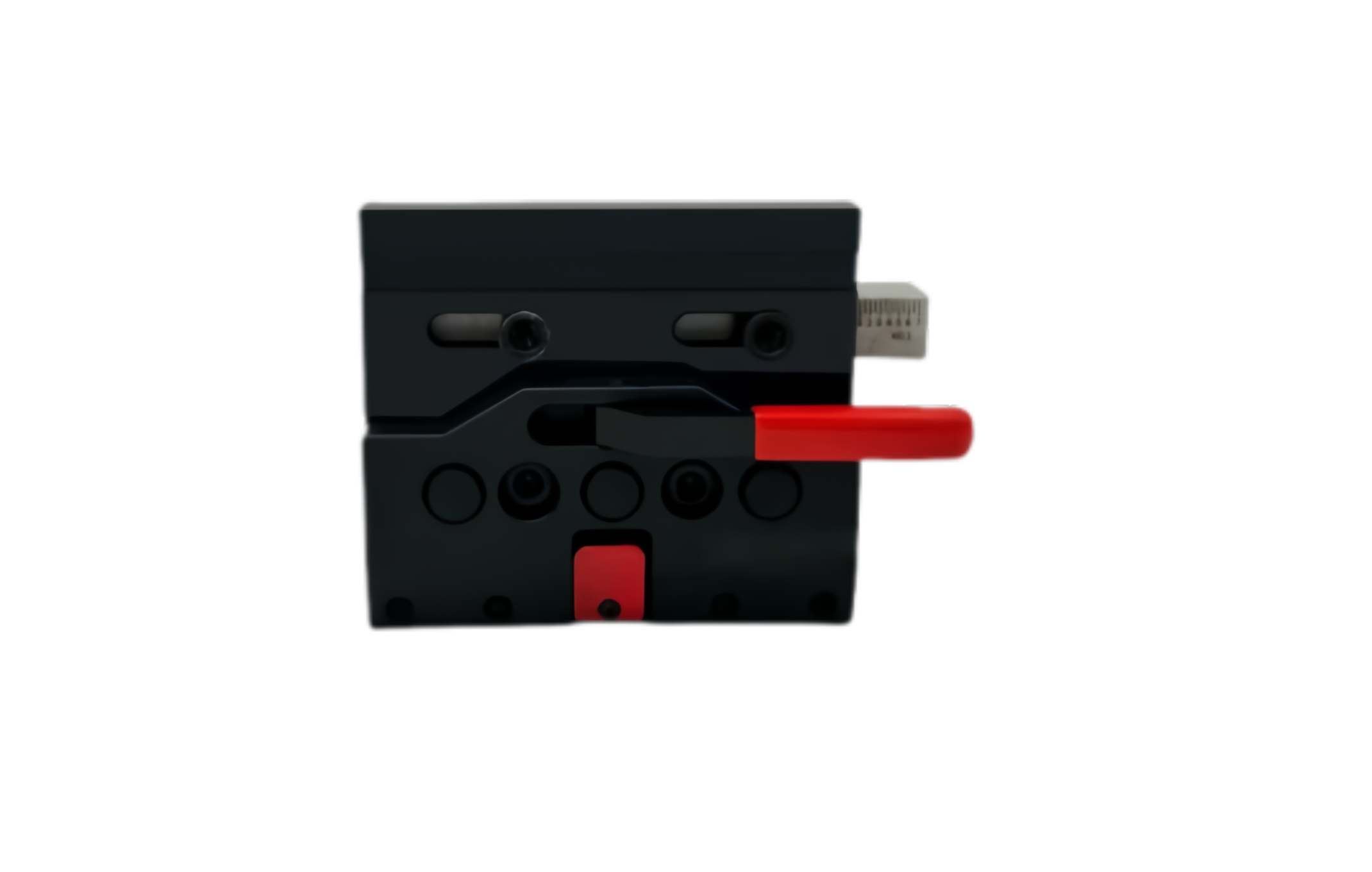
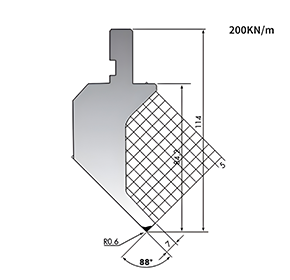
1. Improve production efficiency: Parts manufactured by press brake punch and die molds have consistent shapes and sizes, which can reduce errors in manual operations. Improve production quality and stability.
2. Reduce costs: The manufacturing cost of molds is relatively low, and they can be reused, which reduces waste in the production process and improves resource utilization efficiency.
3. Accelerate product research and development and innovation: The mold manufacturing cycle is short, which can quickly meet the needs of product improvement and updating, and provide more diverse product options.
In summary, the application of molds in the aerospace field is extensive and important. Through the use of molds, production efficiency can be improved, costs can be reduced, product quality can be improved, and R&D innovation can be accelerated. With the continuous development of mold manufacturing technology, the aerospace field will usher in more innovations and breakthroughs.