EN
EN

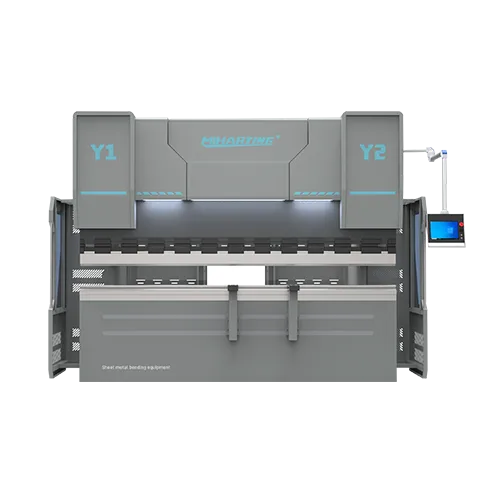
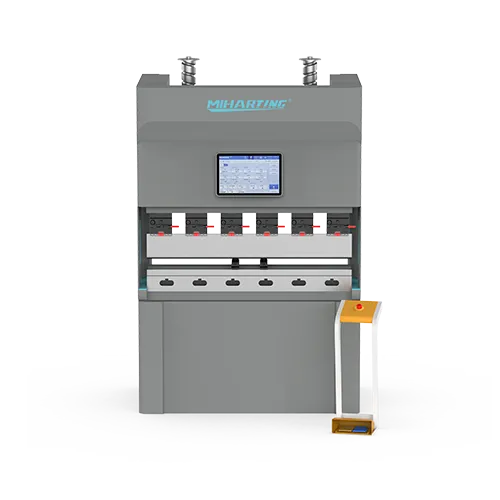
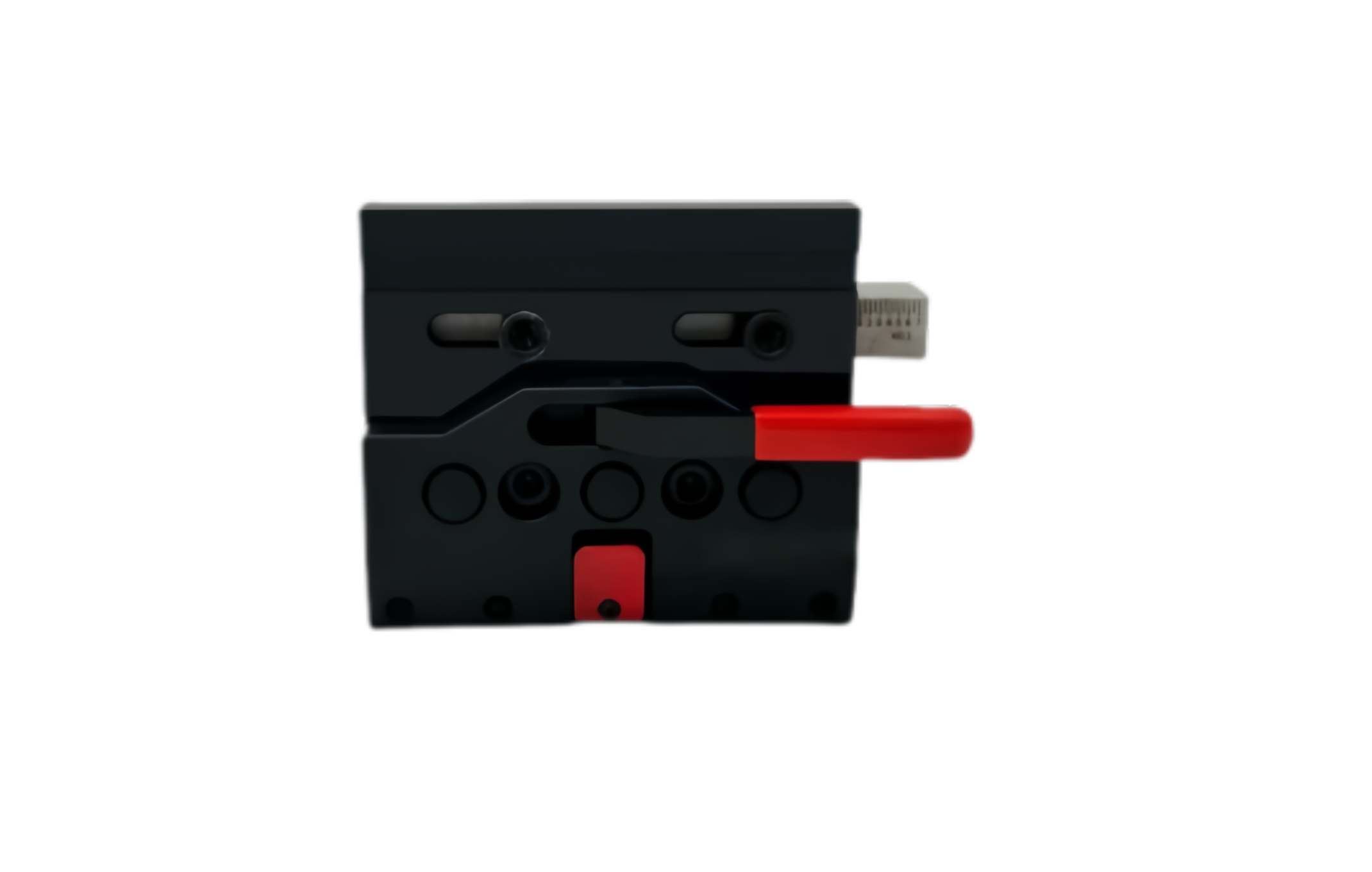
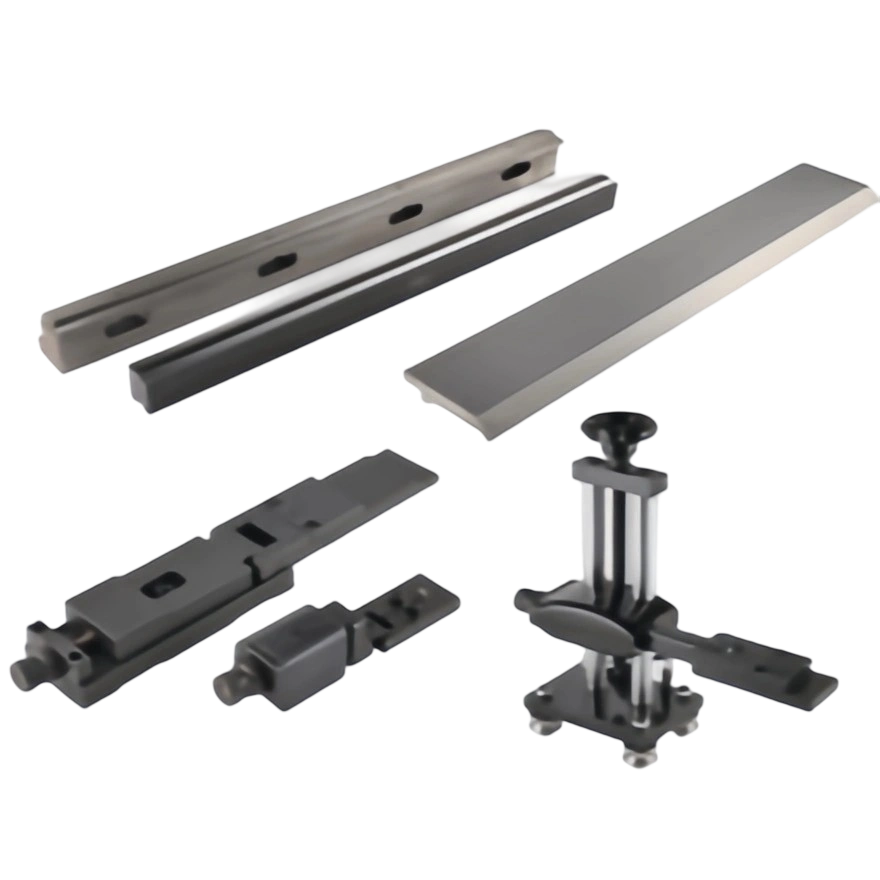
Operating a press brake efficiently and safely requires expertise, vigilance, and adherence to best practices. As essential machinery in the realm of sheet metal fabrication, press brakes shape and form metals into desired profiles using brake tooling such as press brake dies and sheets. This article explores the golden rules of press brake operation, providing insights into setup safety, material handling, machine calibration, maintenance practices, and operator training. By mastering these rules, operators can ensure optimal performance and longevity of their equipment, whether they are using amada press brake tooling, sheet metal bending tools, or seeking press brake dies for sale. Dive in to enhance your understanding of press brake operation and explore how strategic practices can transform your workshop operations.
Safety in the setup phase of press brake operation cannot be overstated. Ensuring the correct alignment and fixation of tooling reduces risks and enhances productivity. Whether using press brake tool, custom metal stamping dies, or arranging the press brake back gauge, starting with safety mitigates hazards and ensures compliance with occupational standards.
Setup Aspect | Safety Protocol | Importance |
Tooling Arrangement | Secure and check alignment | Prevents dislodging and defects |
Back Gauge Configuration | Calibrate properly | Reduces measurement errors |
Environment | Clear workspace | Avoids obstruction |
Proper material handling ensures efficiency and preserves the integrity of sheet metal during processing. Selecting the right press brake tooling is essential, whether you're working with aluminum or steel. Efficient handling includes understanding the weight, thickness, and bendability of materials to optimize the operation and extend the lifecycle of the blades and dies.
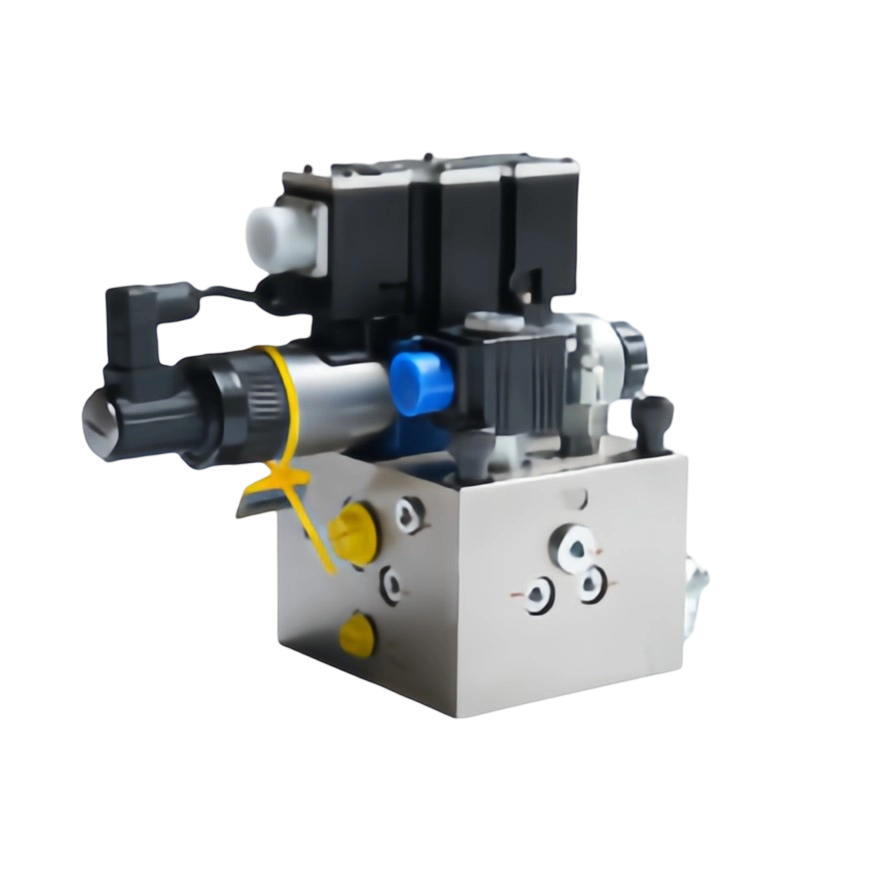
Accurate machine calibration is integral to achieving precision in sheet metal tasks. Calibrating the press brake tool and ensuring the proportional valves function correctly is crucial. Utilizing a proportional valve diagram can aid operators in adjusting the machinery for specific tasks, improving the accuracy and repeatability of bends and other operations.
Routine maintenance practices are vital for sustaining the performance and reliability of press brakes. Advocating for regular inspections, cleaning, and part replacements ensures that components such as proportional valves and custom metal stamping dies remain in prime condition, minimizing downtime and repair costs.
Operators need to be thoroughly trained to handle sophisticated press brake operations. Understanding the intricacies of various press brake dies, press brake tool, and controls like proportional valve enhances the operator's skill set, minimizes errors, and increases production efficiency.
In conclusion, mastering the golden rules of press brake operation, from setup safety to continuous operator training, ensures effective usage of press brake capabilities, promoting a safe and productive work environment. Whether you are seeking high-quality press brake dies for sale or maximizing your current setup with custom metal stamping dies, strategic implementation of these practices empowers operators and enhances the fabrication process. The precision and reliability gained contribute significantly to the quality and timeliness of metalwork projects.
 Functions of a Proportioning Valve in BrakesJanuary 8, 2026The brake tooling industry plays an essential role in vehicle safety, with the proportional valve being a critical component in the braking system. Understanding how this device functions can offer in...view
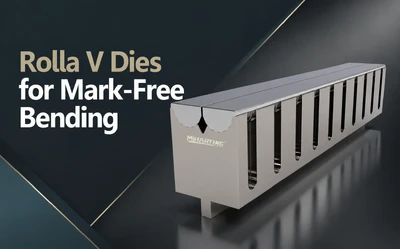 Rolla V Dies for Mark-Free Bending: How to Bend Stainless Steel without MarksJune 30, 2026For stainless steel fabricators producing elevator panels, kitchen equipment, architectural decoration, medical device covers, appliance panels, and premium metal enclosures, the surface quality of th...view
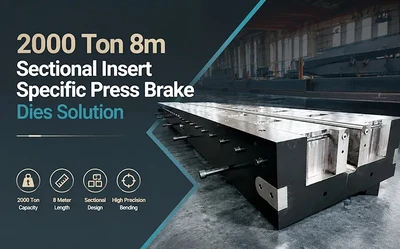 2000 Ton 8m Sectional Insert Specific Press Brake Dies SolutionJuly 20, 2026High-performance 2000 ton 8m sectional insert specific press brake dies for bending max 50mm thick 8m metal sheets. Manual & electric adjustable lower dies with 42CrMo material, low friction rotary round bar, fast V-opening adjustment for mass heavy plate processing.view
 How CNC Crowning Systems Work with Delem DA-66T & CybelecSeptember 21, 2026Learn how CNC press brake crowning systems integrate with Delem DA-66T and Cybelec controllers to automatically compensate machine deflection and improve bend angle accuracy.view
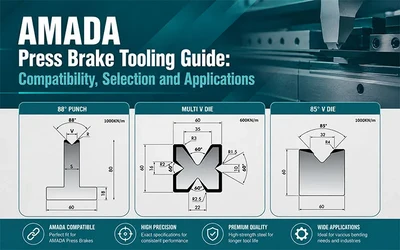 AMADA Press Brake Tooling Guide: Compatibility, Selection and ApplicationsAugust 31, 2026This guide looks at AMADA press brake tooling from a practical production perspective: how to identify the right tooling, how to select it for different applications, and when standard tooling should be replaced by a specialized solution.view
 Press Brake Backgauge Upgrade Guide 2026: How a CNC Backgauge System Improves Bending Speed and AccuracyJune 30, 2026In 2026, sheet metal manufacturers across fabrication shops, electrical cabinet factories, HVAC duct producers, elevator panel manufacturers, and automotive component suppliers are facing a convergenc...view