EN
EN

Titanium Alloy:
1. Due to the high hardness of titanium alloys, mold design needs to consider the use of specially designed structures and processes to adapt to its bending characteristics. The choice of mold materials also needs to be more wear-resistant and hard to ensure the durability and stability of the mold during the bending process....
2. The hardness of composite materials may vary depending on the composition. The mold design needs to take this difference into account and use appropriate mold materials and structures to adapt to composite materials of different hardness.
3. Composite materials may have problems such as interlayer delamination or fiber breakage during the bending process. The mold design needs to consider these factors and use appropriate processes and mold structures to reduce the occurrence of these problems.
In summary, titanium alloys and composite materials have put forward higher requirements for the design of bending machine molds. It is necessary to comprehensively consider factors such as material hardness, thermal properties, mechanical properties and composition differences to ensure the durability, stability and adaptability of the mold.
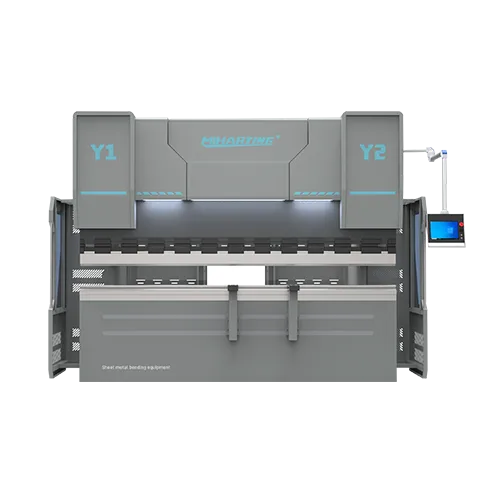
 Understanding EN 12622: How CE-Compliant Press Brakes Protect European OperatorsSeptember 14, 2026Understand EN 12622 press brake safety requirements, including laser protection, guarding, emergency stops and safety controls, and what European buyers should check for CE compliance.view
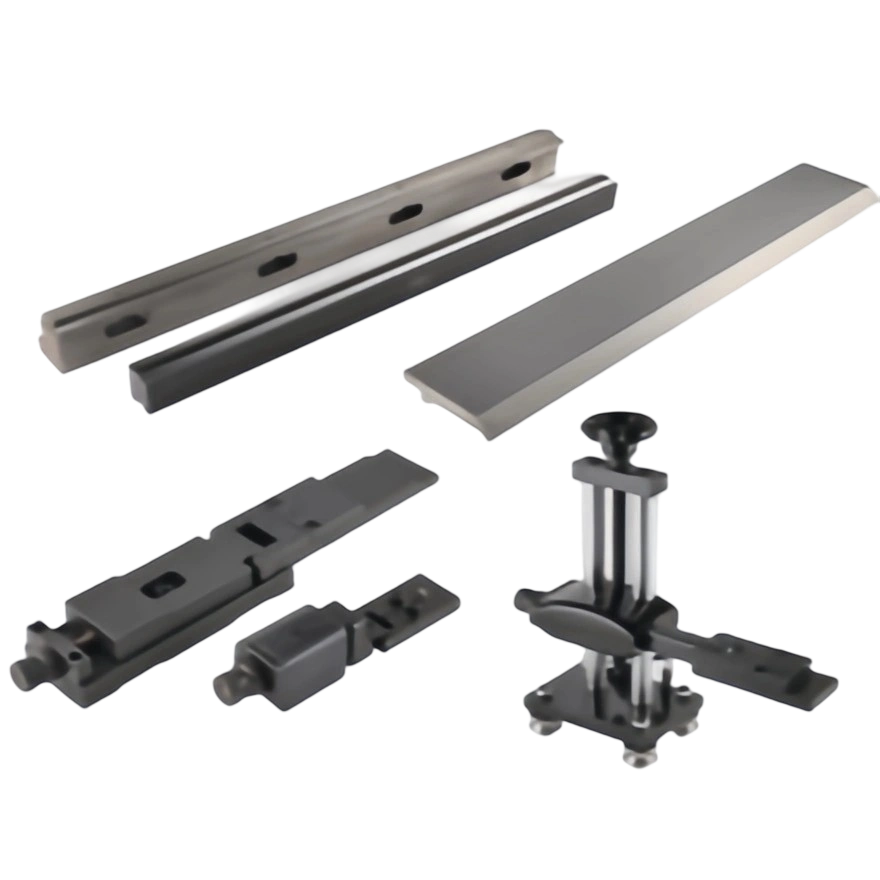
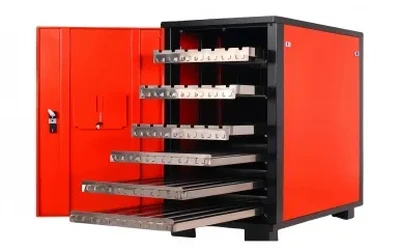 Why an Amada Press Brake Tooling Cabinet is an Investment in Tool Longevity (Not Just Storage)April 22, 2026Many shops spend $50,000 on high-precision Amada or European tooling, only to store them on wooden pallets or steel racks where the ground surfaces rub against each other. A single 0.05mm nick on a pu...view
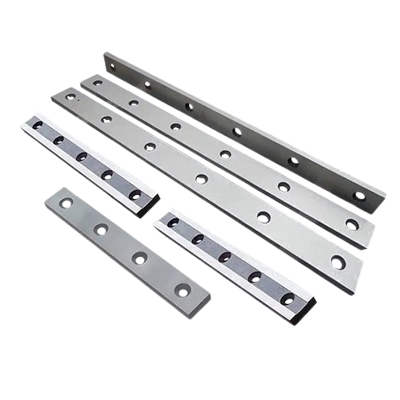
 Shearing Machine Blade Selection Guide 2026: Heavy-Duty Shear Blades for High-Strength Steel and Stainless Steel CuttingJune 30, 2026In 2026, the sheet metal cutting landscape has shifted significantly. High-tensile steel, wear-resistant plate, duplex stainless steel, and thicker industrial sheet materials have moved from specialty...view
 How Do Aerospace Press Brake Machine Molds Cope with High Temperature and High Pressure Environments?June 25, 2025The coping strategies for aerospace press brake machine molds in high temperature and high pressure environments mainly include the following aspects:1. Select high temperature and high pressure resis...view
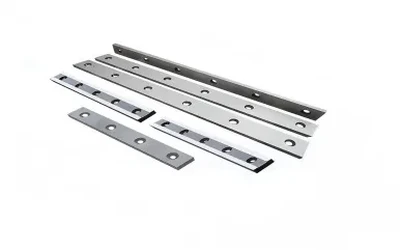 Selecting the Right Shearing Machine Blade: A Guide to Material Grades and Blade Gap OptimizationApril 22, 2026The shear is the “entry point” of the fabrication shop. If the initial cut is burred, twisted, or bowed, every subsequent process—from CNC punching to bending—will be inaccurate. MIHARTING shearin...view
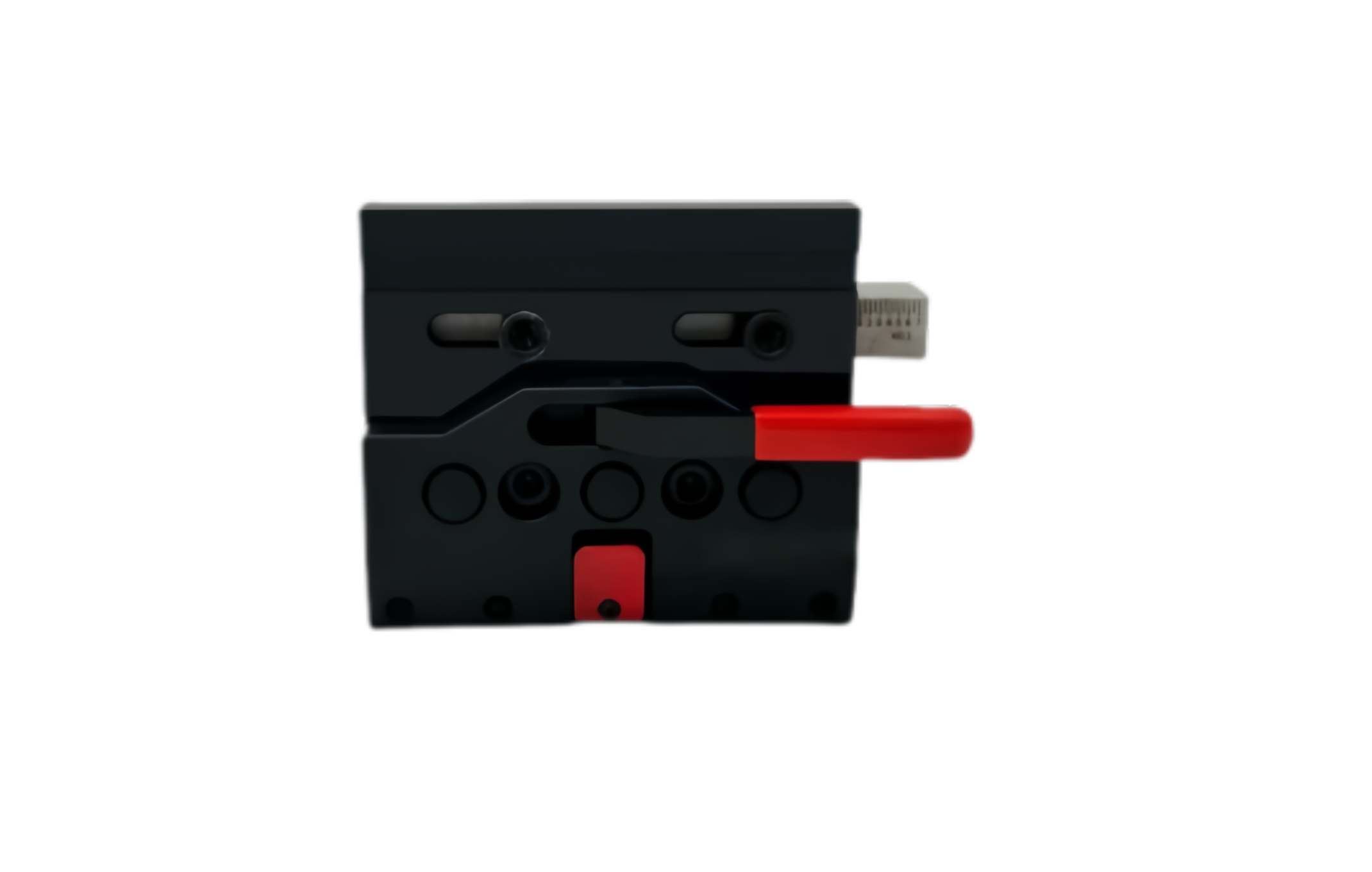
 How Press Brake Quick Clamping Systems Reduce Setup Time by 80%September 7, 2026For many sheet metal manufacturers, press brake setup is an overlooked source of production downtime.A faster clamping system can therefore reduce both labor time and machine downtime.view