EN
EN

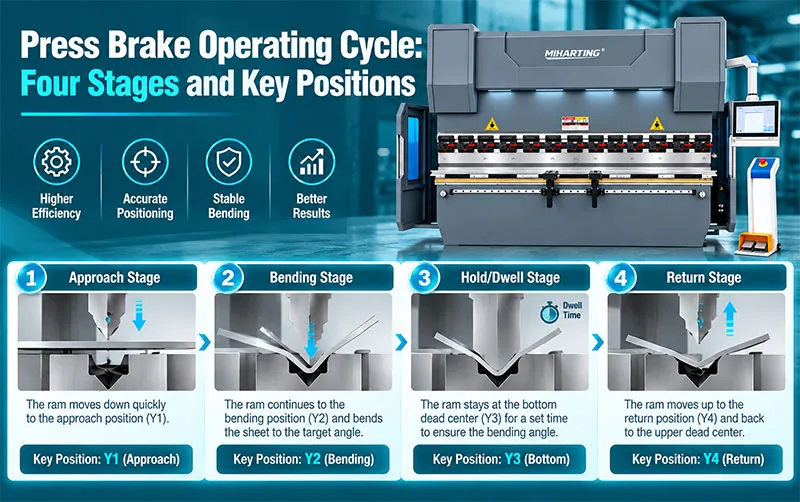
Press brakes don't bend metal—they persuade it. At 200 tons of hydraulic pressure, steel becomes as pliable as modeling clay under the precise control of these industrial artists. The magic happens when geometry meets metallurgy: a typical V-die opening should be eight times the material thickness for optimal bending, while punch radii determine whether you get a crisp 90° angle or stressed-out metal fatigue.
Our engineers recently observed a Bangkok auto parts manufacturer destroying €25,000 worth of stainless steel panels monthly. The culprit? Using 30mm dies on 3mm sheets created improper bend ratios. After switching to our 24mm European Precision Tooling with mirrored finish surfaces, their rejection rate plummeted to 2%—proving that in sheet metal fabrication, millimeters make millions.
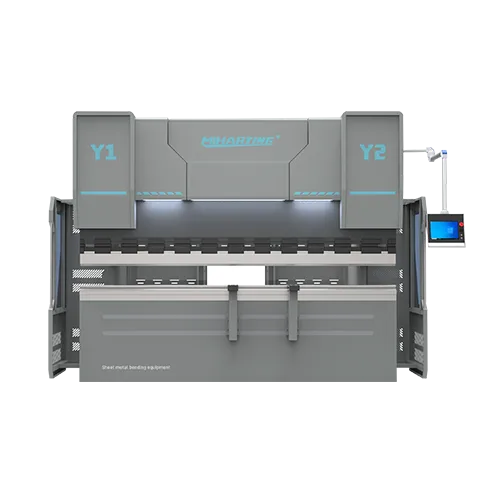
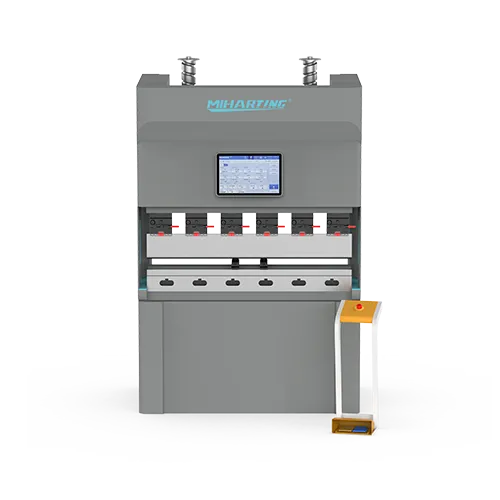
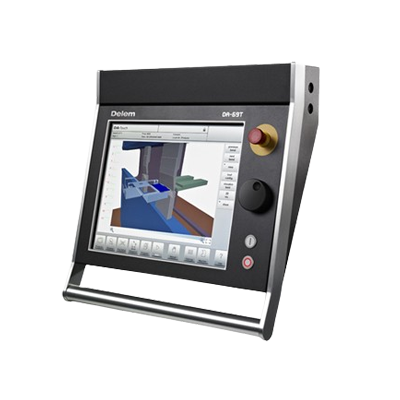
The most versatile player in metal fabrication shops. A Thai automotive supplier reduced their production time by 40% after implementing our CNC-controlled press brakes with:
160-ton bending capacity
±0.1mm repeatability
Automatic tool changers
These machines handle everything from appliance panels (1mm stainless steel) to truck frames (10mm carbon steel). The secret weapon? Our proprietary angle measurement system that compensates for material springback in real-time.
Two specialized machines solving different challenges:
Tube Benders
Essential for creating complex geometries in piping systems
Handles diameters from 6mm (medical tubing) to 300mm (structural pipes)
Mandrel-assisted bending prevents ovalization
Plate Benders
Creates curved surfaces for industries like shipbuilding
Can form 20mm thick steel plates into perfect semicircles
Three-roller design enables continuous bending
The cleaner alternative to traditional press brakes when working with:
Pre-painted materials
Thin gauge metals (0.5-3mm)
Complex flanges
Key advantages:
No tool marks on visible surfaces
70° acute angle capability
Integrated hemming tools
For producing consistent cylindrical and conical shapes. Recent upgrades include:
CNC-controlled asymmetrical rolling
Automatic thickness compensation
Quick-roll-change systems
The eternal debate between mechanical and hydraulic systems:
| Feature | Mechanical | Hydraulic |
|---|---|---|
| Speed | 60 strokes/minute | 20 strokes/minute |
| Precision | ±0.2mm | ±0.1mm |
| Maintenance | Minimal | Regular oil changes needed |
| Energy Use | High (constant flywheel) | Lower (on-demand power) |
| Best For | Mass production | Variable thickness work |
Smart buyers look beyond tonnage ratings when selecting press brake tooling. Through thermal imaging studies, we've identified hidden dealbreakers most sales reps gloss over:
Elastic recovery - Aluminum springs back 15° after bending unless tools compensate for material memory
Coating compatibility - Powder-coated sheets demand polished tool surfaces to prevent €40/m² finish damage
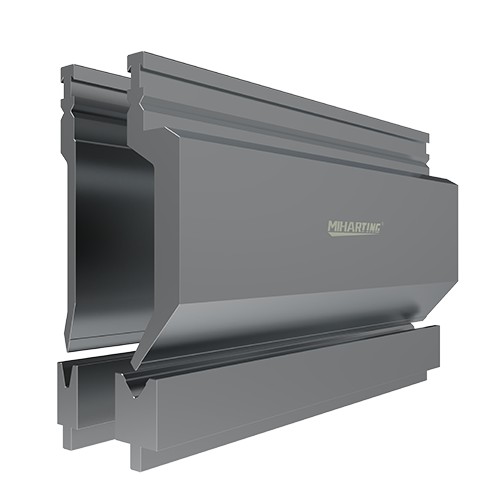
Die deflection - Standard 600mm tools bow 0.2mm under load, requiring our calibrated crowning systems for precision aerospace work
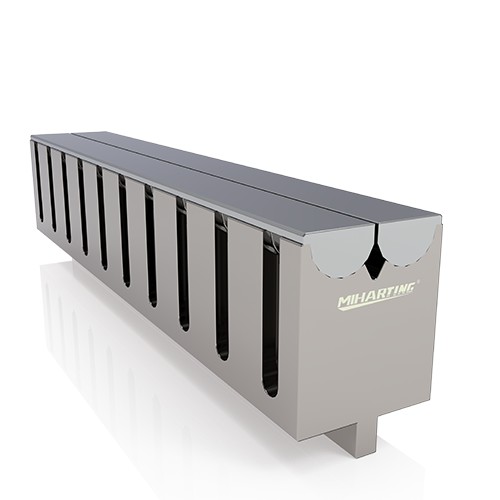
A Malaysian window frame producer learned this the hard way. Their American-made press brake struggled with consistent 2-meter aluminum profiles until we installed our Rolla V Dies with integrated deflection correction. Overnight, their tolerance windows tightened from ±1.5° to ±0.3°—transforming them into BMW's preferred facade supplier.
Our intelligent CNC press brake tooling solutions address pain points competitors ignore:
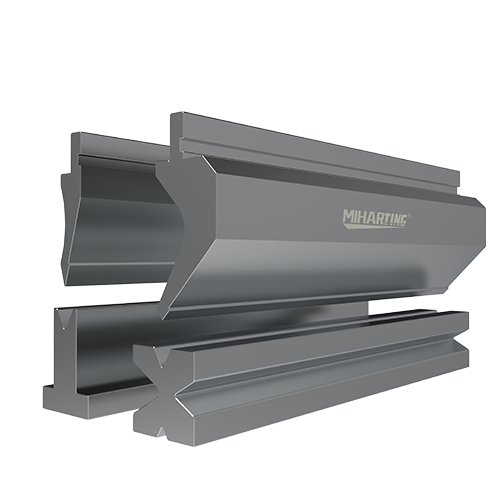
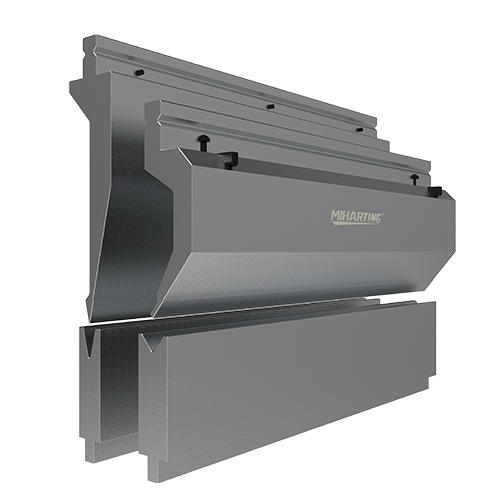
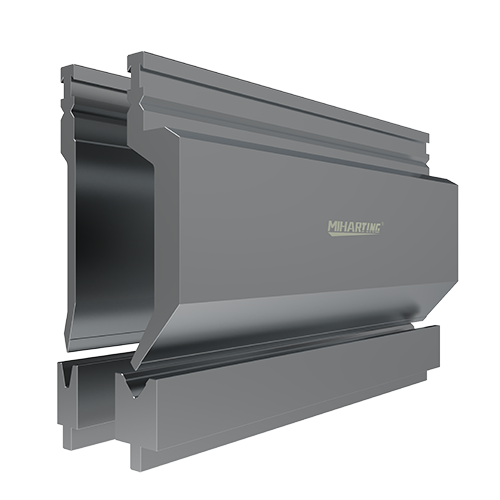
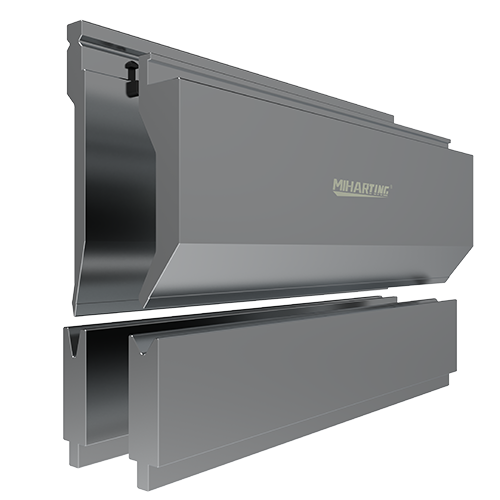
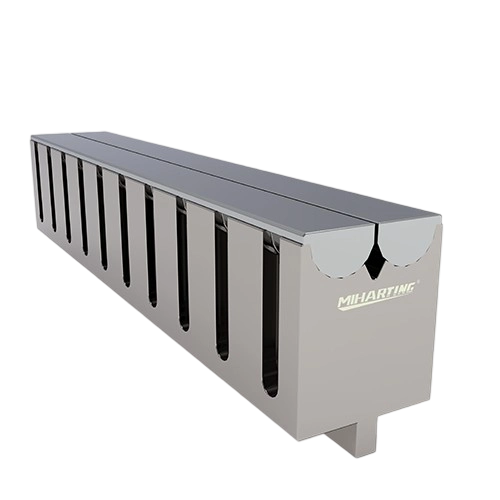
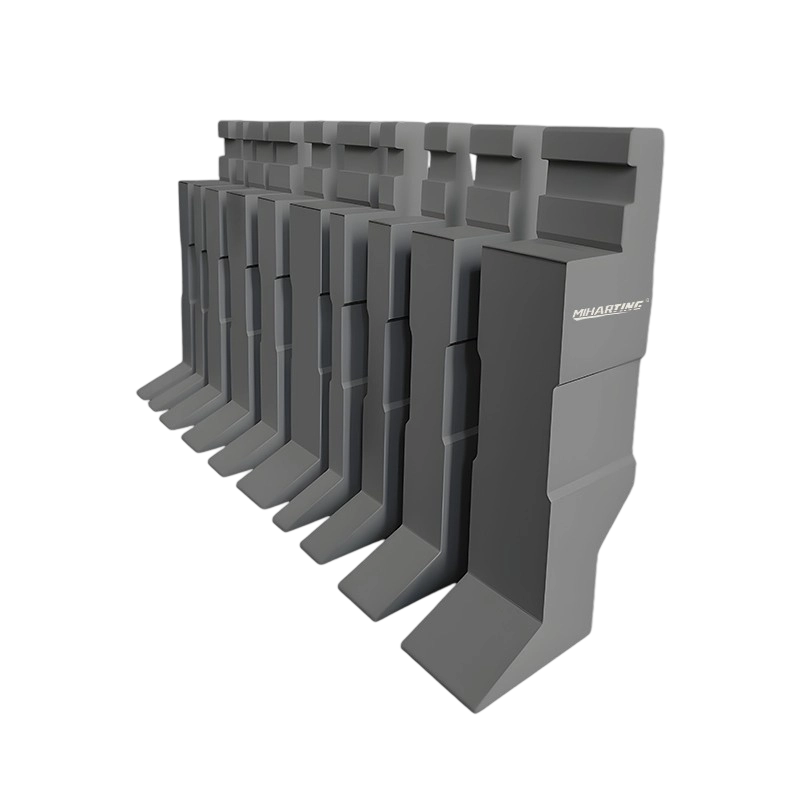
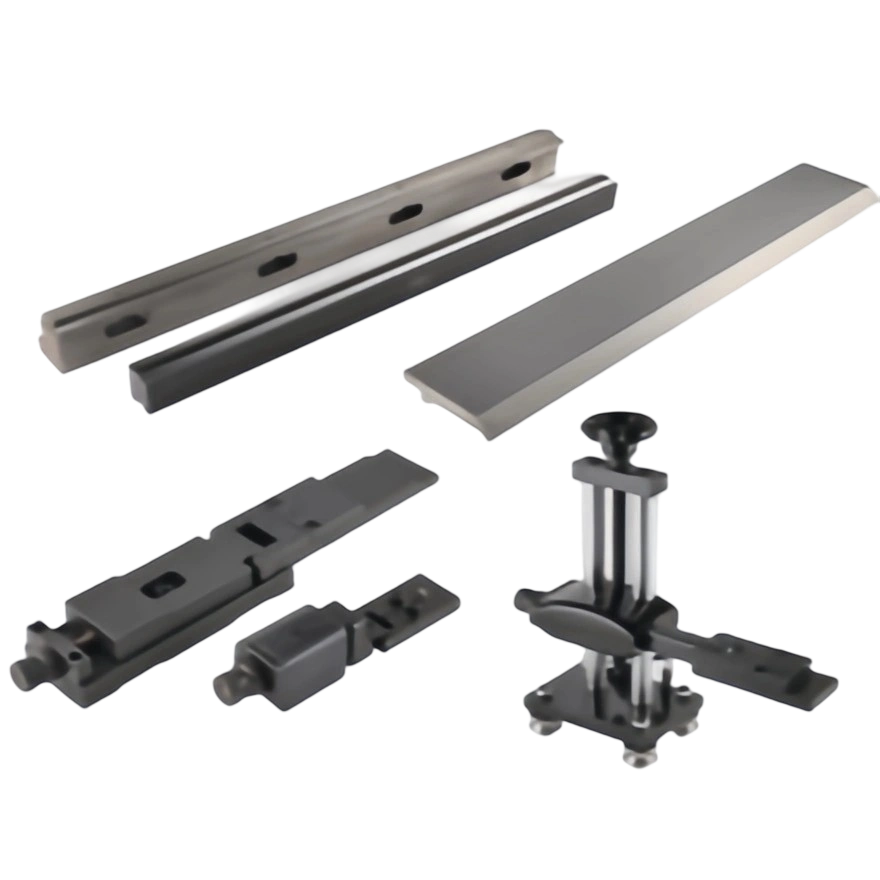
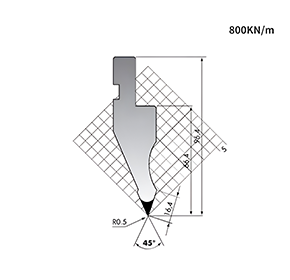
European Precision Series - Mirror-polished D2 tool steel punches extend lifespan 3X in abrasive materials
Advanced Die Technology - Proprietary surface treatments eliminate sheet marking issues
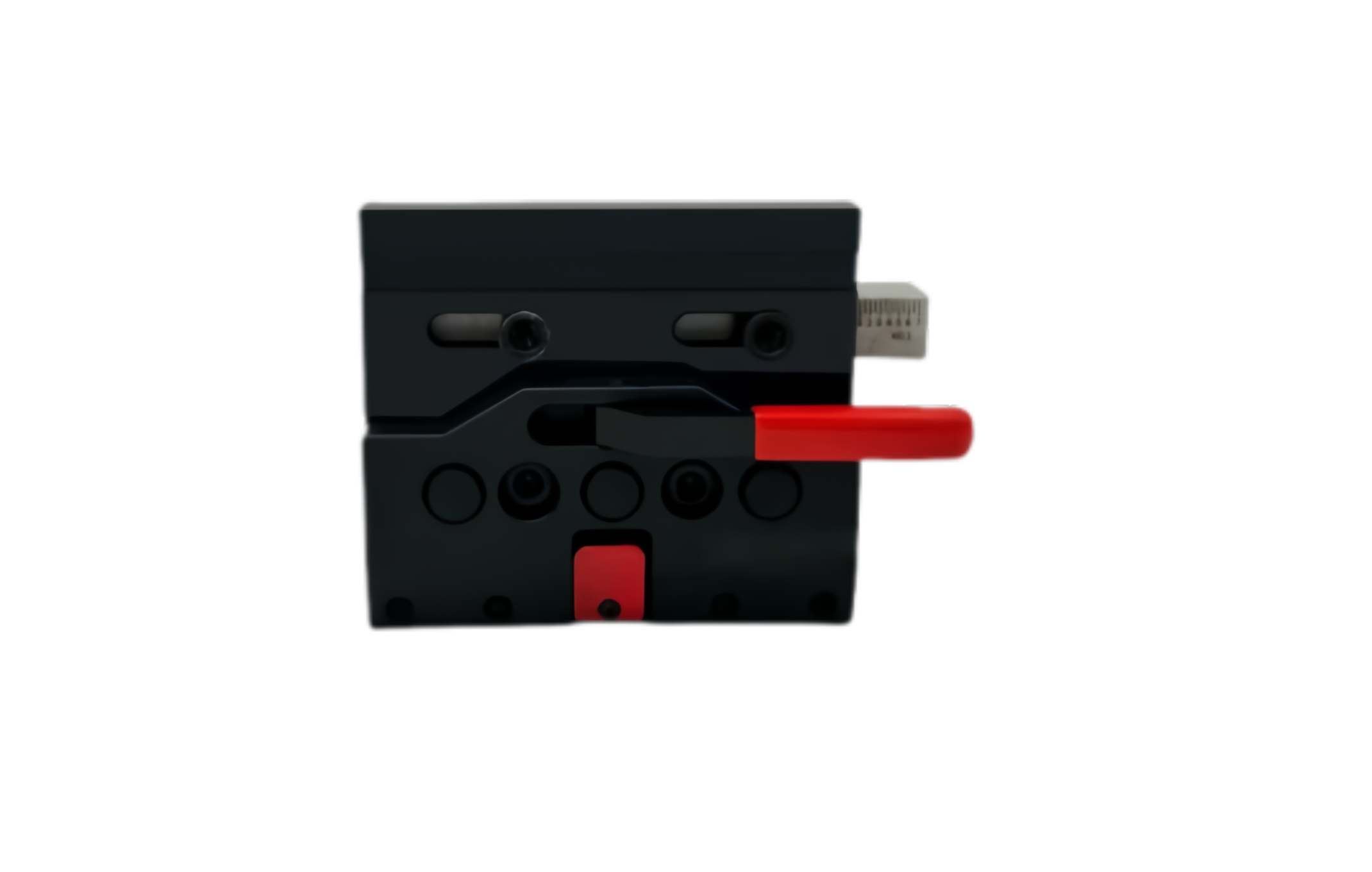
Safety Lock Mechanisms - Engineered systems prevent tool ejection during operation
For Indonesian clients handling monsoon-season projects, we developed corrosion-resistant variants with tungsten-carbide enhanced tips. One Surabaya contractor reported zero tool replacements after 18 months—unheard of in their coastal environment where salt air typically destroys standard tools in six months.
 Press Brake Tooling Adapter vs Full Clamping Retrofit: Which Is More Cost-Effective?September 9, 2026Your press brake may still bend accurately after 10 or 15 years, but its tooling system can become a production bottleneck.This is common in European fabrication shops operating older machines with traditional European/Promecam or manufacturer-specific tooling interfaces.view
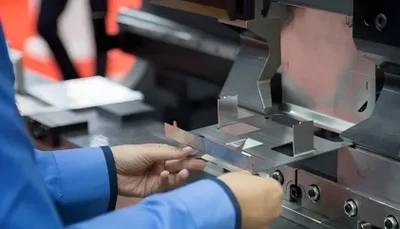 How Amada AFH Tooling Revolutionizes Setup Times in Precision Sheet Metal BendingApril 22, 2026In a world of “Just-in-Time” manufacturing, the longest part of the bending process is no longer the bend itself—it’s the setup. Amada AFH (Amada Fixed Height) tooling was designed to solve this. ...view
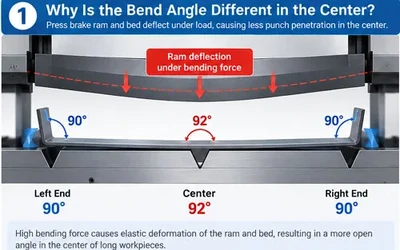 Understanding Press Brake Crowning: Hydraulic vs. CNC Mechanical SystemsSeptember 14, 2026You bend a 3- or 4-meter sheet on a press brake.The left end measures 90°.The right end measures 90°.But the center measures 91° or 92°.The first reaction is often to adjust the Y-axis or blame th...view
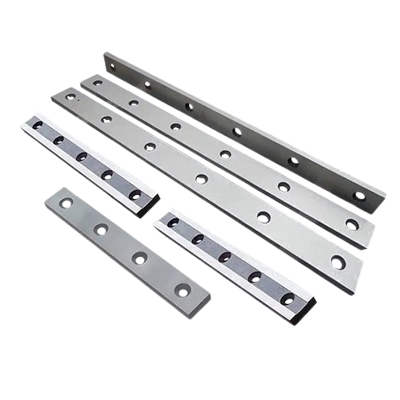
 Shearing Machine Blade Selection Guide 2026: Heavy-Duty Shear Blades for High-Strength Steel and Stainless Steel CuttingJune 30, 2026In 2026, the sheet metal cutting landscape has shifted significantly. High-tensile steel, wear-resistant plate, duplex stainless steel, and thicker industrial sheet materials have moved from specialty...view
 LVD Press Brake Tooling Compatibility Guide: Clamping, Segmentation and Upgrade DecisionsJuly 28, 2026An LVD press brake can remain productive for many years, but tooling decisions become more complicated when a factory adds new materials, inherits mixed tool sets, changes clamping systems or buys rep...view
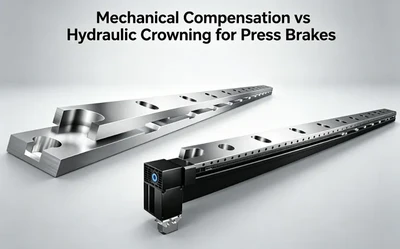 Mechanical Compensation vs Hydraulic Crowning for Press BrakesJune 11, 2026This article provides a detailed comparison of the differences, advantages, and application scenarios of mechanical, hydraulic, electric, and WILA crowning systems for press brakes, helping customers select the right system for their needs.view