EN
EN

In the world of metal fabrication, press brake tooling stands as a cornerstone of efficiency and precision, crucial for bending operations in various industries. Understanding the complex orchestration of components and mechanisms within a press brake can vastly improve both the quality and speed of metal bending tasks. The following exploration delves into the fundamental aspects of press brake tooling, defining its essential components, operational mechanics, common materials, and important safety considerations. Whether you are seeking press brake dies for sale or aiming to enhance your metalwork proficiency, this article is designed to equip you with the vital knowledge necessary for success.
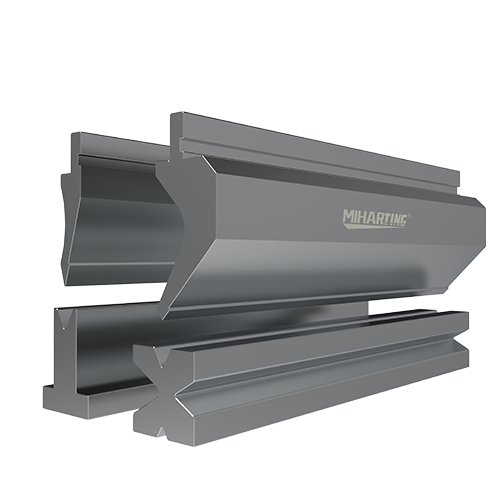
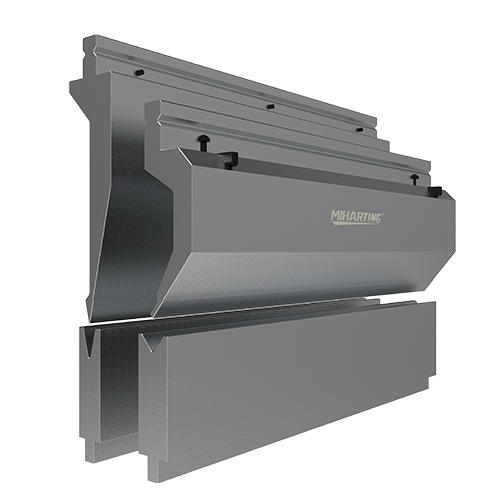
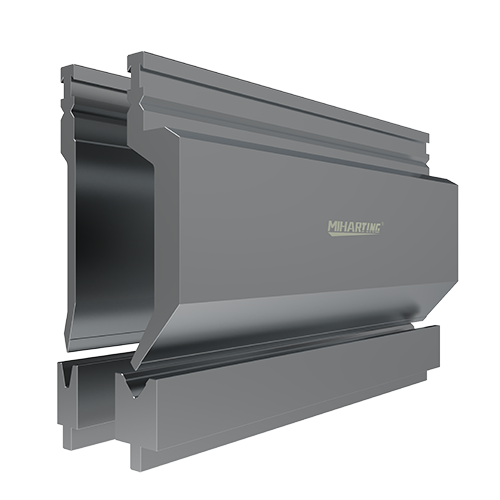
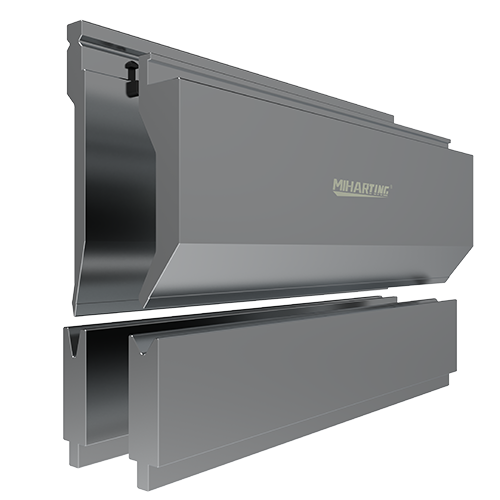
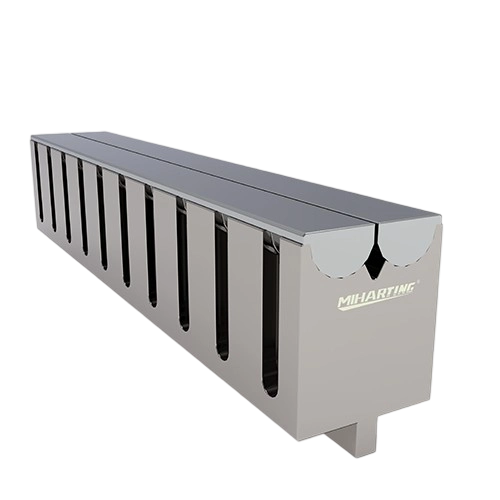
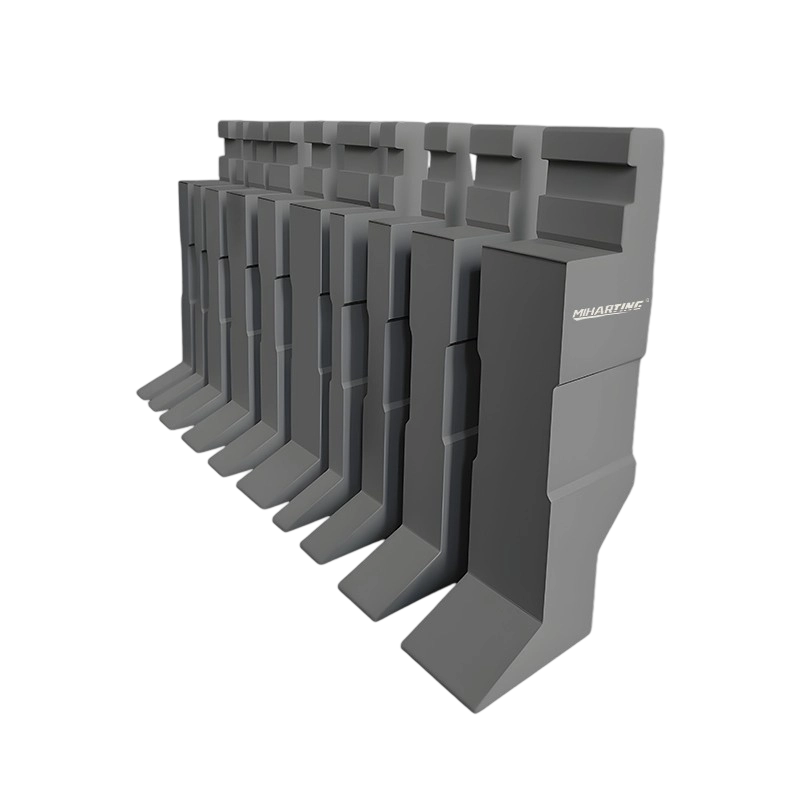
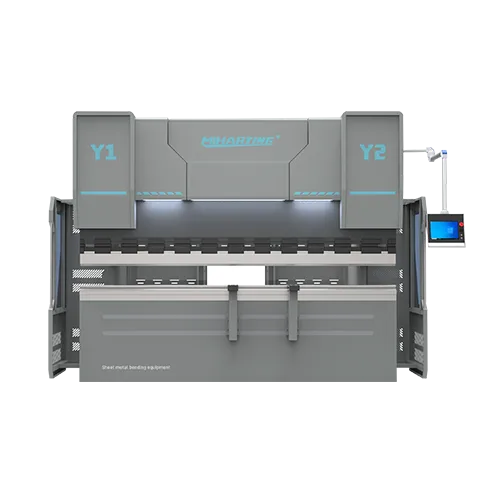
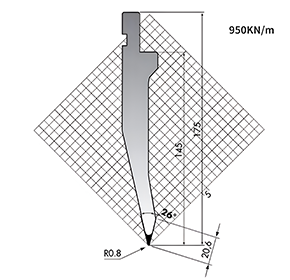
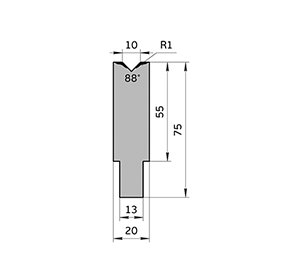
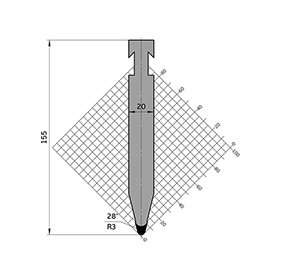
Press brake tooling refers to the specialized tools used within a press brake machine, which bends sheet and plate metal. This process involves using a punch and die to create specific shapes by exerting force on the material. The tooling is an integral part of a press brake mechanism, determining the bend shape, angle, and precision. Understanding the terminology and intricacies of the tooling can lead to more refined results in metal bending operations. These tools are designed to fit seamlessly into machines, such as the amada press brake tooling, known for its precision and reliability. The sophistication of these tools allows for the creation of complex shapes, supporting industries like automotive, construction, and aerospace.
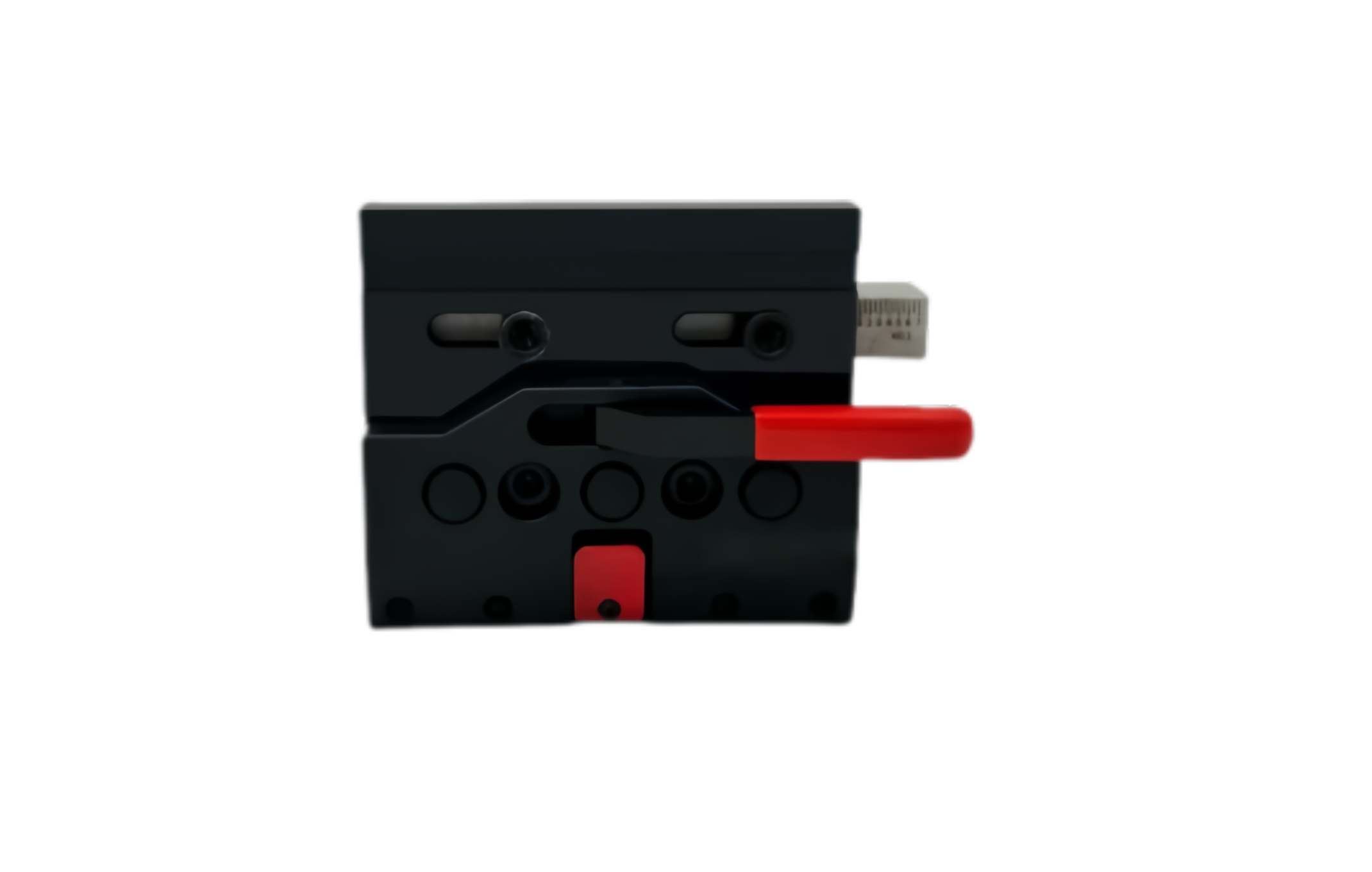
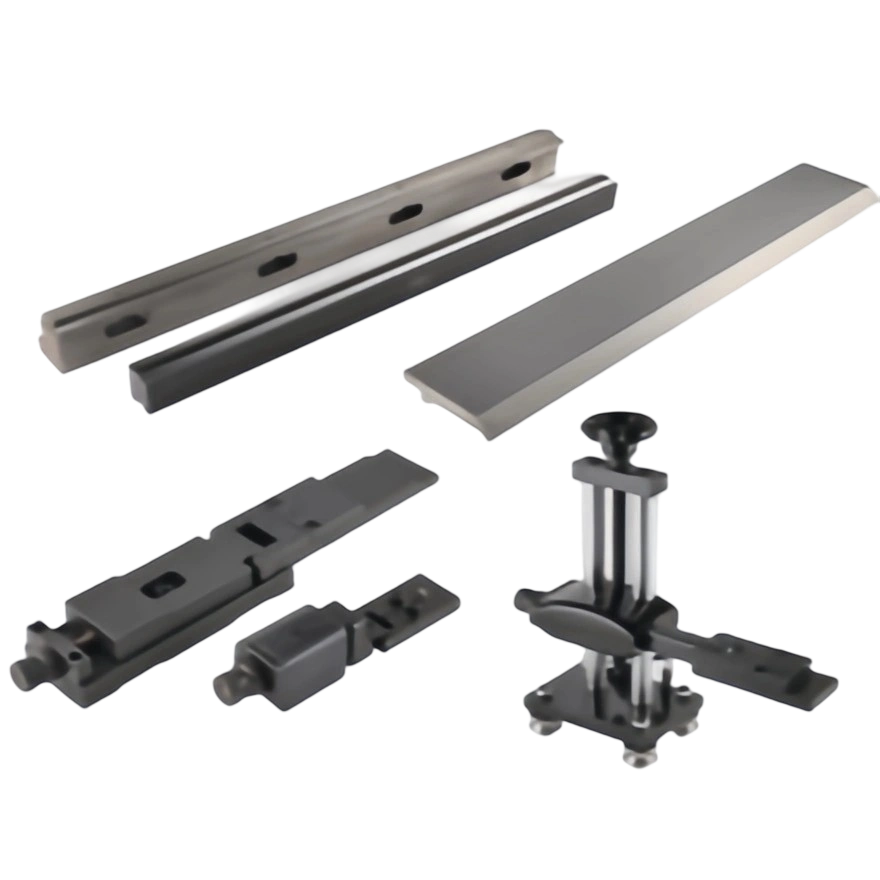
The effectiveness of press brake tooling largely revolves around its basic components, each playing a crucial role in delivering desired bending outcomes. The primary components are the punch, die, and press brake back gauge, each fabricated with precision to handle specific bending tasks. A closer examination of these elements reveals their collective impact on press brake functionality.
Component | Function | Attributes |
Punch | Pushes the metal into the die | High strength, precise fabrication |
Die | Shapes the metal as per design | Durability, wear resistance |
Back Gauge | Positions the sheet accurately | Precision, stability |
The synergy among these components ensures that each operation is as accurate as possible, providing a foundation for more advanced applications like custom metal stamping dies and intricate bending designs.
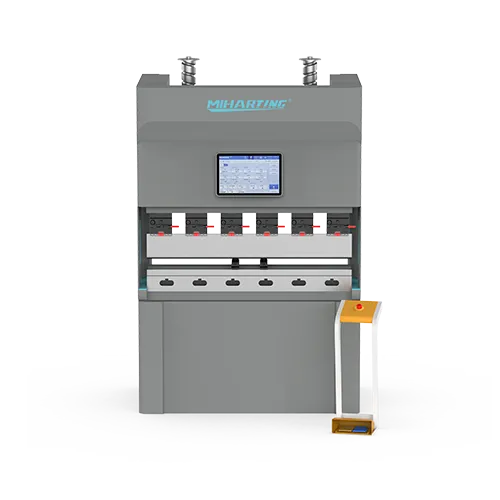
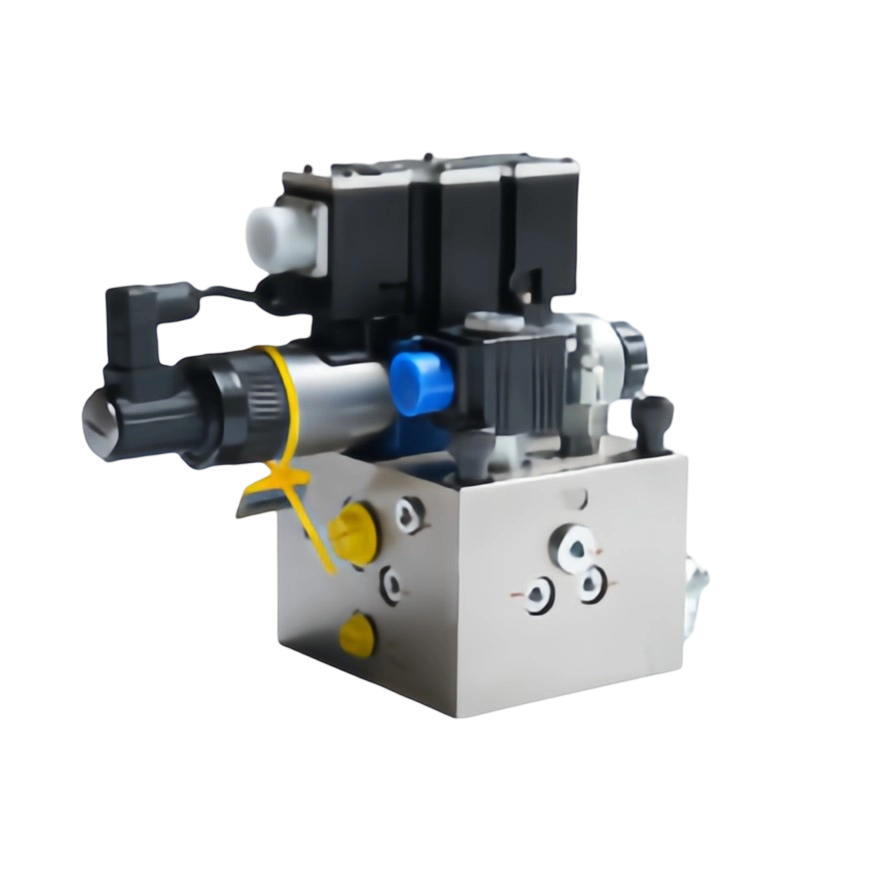
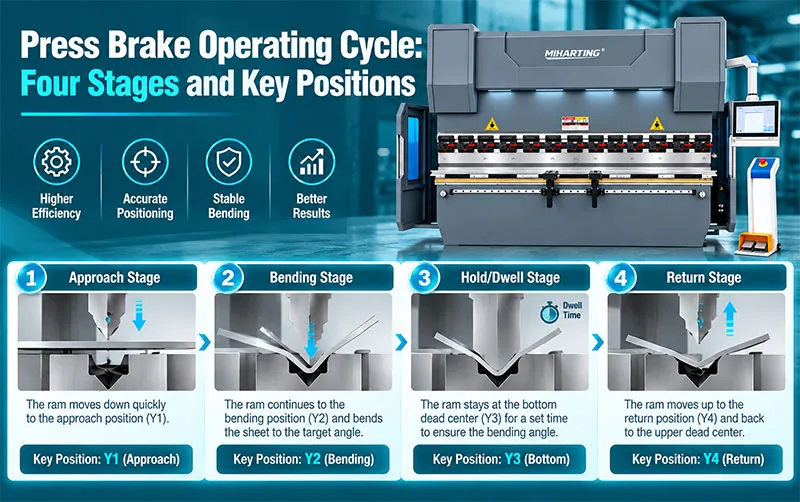
The operation of a press brake involves a calculated sequence of movements, initiated by a control system that may utilize a proportional valve. The setup is intricate, involving manual or CNC (Computer Numerical Control) operations for precision. The proportional valve diagram typically illustrates the flow of hydraulic fluid, contributing to the smooth operation of the bending process. Here's a step-by-step breakdown:
The metal sheet is positioned using the press brake back gauge, ensuring alignment.
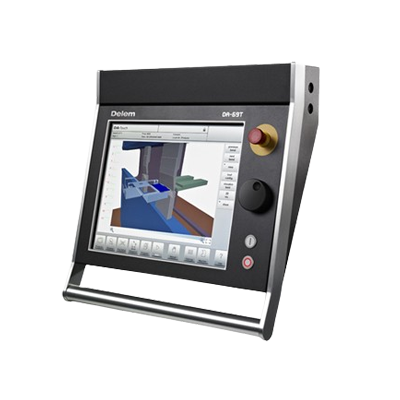
The operator sets the desired bend angle and span using the press brake control panel.
The punch descends to press the metal into the die, facilitated by hydraulic or mechanical systems.
The proportional valve helps in controlling the pressure exerted during the bending process, ensuring efficiency.
This sophisticated operation allows manufacturers to achieve precise bends with minimal human intervention, boosting productivity, and accuracy in metal fabrication tasks.
The choice of materials in press brake tooling considerably influences the lifespan and efficacy of the bending process. The materials must be robust yet flexible enough to handle repeated stress without compromising on the quality of the bend. Here's a look at commonly used materials:
Material | Applications | Properties |
Steel | General forming, heavy-duty tasks | High tensile strength, durability |
Aluminum | Lightweight applications | Corrosion resistance, light in weight |
Titanium | Aerospace, high-performance | High strength-to-weight ratio |
These materials bolster the performance of press brake dies, enhancing their longevity and performance in various bending operations. When selecting materials for sheet metal bending tools, it's vital to assess the operational requirements and the specific characteristics necessary for the task.
Operating a press brake involves certain risks, which makes adherence to safety protocols paramount. Proper training on the use of press brake tooling, awareness of emergency procedures, and regular maintenance can mitigate potential hazards. It's crucial to follow manufacturer guidelines and regulatory standards to ensure a safe working environment. Safety guards, emergency stop functions, and regular inspections are essential components of safe operation, particularly when working with automated systems like press brake tool setups.
Equipped with these insights into the components, operation, and materials of press brake tooling, professionals in metal fabrication can leverage this knowledge to enhance efficiency and safety. This integration of understanding not only improves output quality but also facilitates the exploration of new engineering possibilities in metalwork.
The world of press brake tooling is complex, yet understanding its fundamental principles can transform ordinary metalworking tasks into precise works of art. By focusing on material selection, fundamental components, operational mechanics, and safety, press brake tooling manufacturers can optimize their press brake operations. Whether exploring custom metal stamping dies or seeking the best press brake tool options, this vibrant knowledge domain empowers professionals to push the boundaries of metal fabrication. The continual advancements in tooling technology promise exciting prospects for future processes, enhancing both efficiency and reliability in the metalworking industry.
 Press Brake Tooling Maintenance: How to Extend Tool LifeJune 8, 2026Learn practical press brake tooling maintenance tips to extend tool life, reduce bending defects, improve accuracy, and lower tooling replacement costs.view
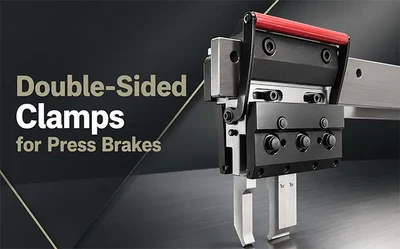 Double-Sided Clamps: The Smarter Way to Expand Press Brake Bending FlexibilityJune 23, 2026Discover how FAST double-sided clamps help press brake users achieve front and rear tool clamping, faster setup, safer operation, and lower tooling costs.view
 Shearing Machine Blade Selection Guide 2026: Heavy-Duty Shear Blades for High-Strength Steel and Stainless Steel CuttingJune 30, 2026In 2026, the sheet metal cutting landscape has shifted significantly. High-tensile steel, wear-resistant plate, duplex stainless steel, and thicker industrial sheet materials have moved from specialty...view
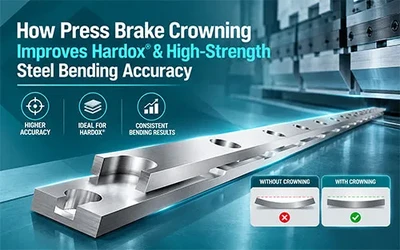 How Press Brake Crowning Improves Hardox® & High-Strength Steel Bending AccuracySeptember 16, 2026Learn why Hardox and high-strength steel require higher bending forces and springback compensation, and how press brake crowning improves long-part angle accuracy.view
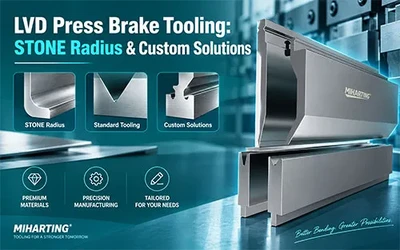 LVD Press Brake Tooling: STONE Radius & Custom SolutionsSeptember 23, 2026Learn how to select LVD press brake tooling, including LVD10, LVD15, LVD30, W Style, STONE radius dies, heavy-duty tooling and custom solutions.view
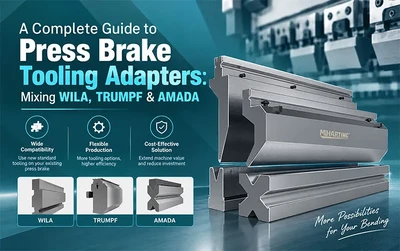 A Complete Guide to Press Brake Tooling Adapters: Mixing WILA, TRUMPF & AMADASeptember 9, 2026Many European fabrication shops have press brakes that are 10, 15 or even 20+ years old but still mechanically reliable.This is where a press brake tooling adapter can become a practical solution.view