EN
EN

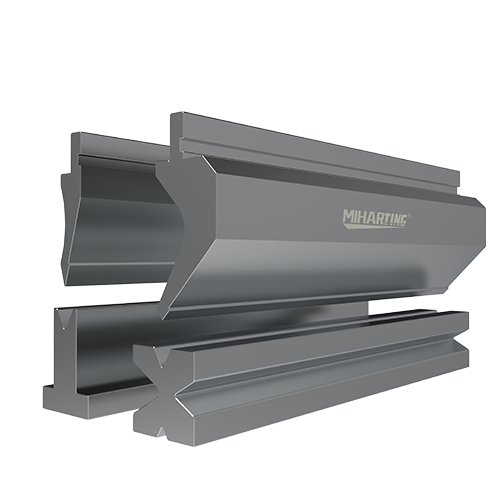
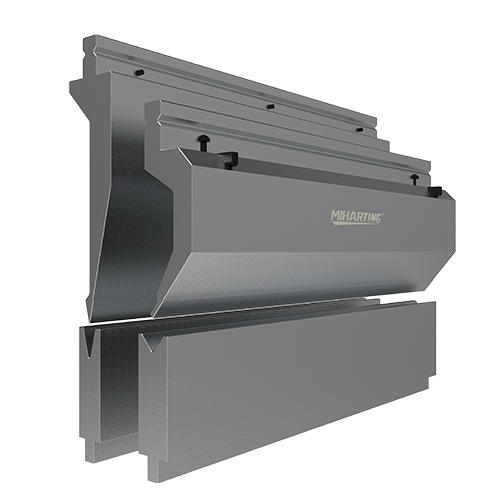
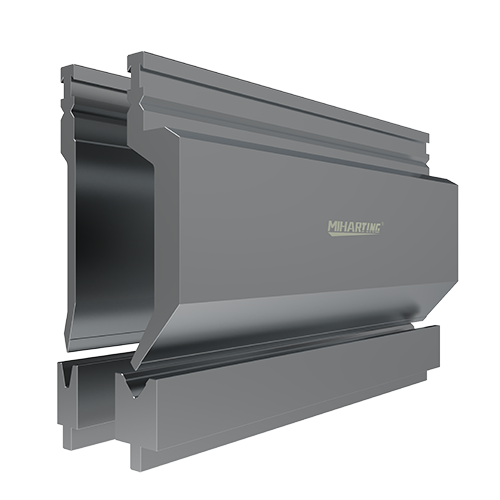
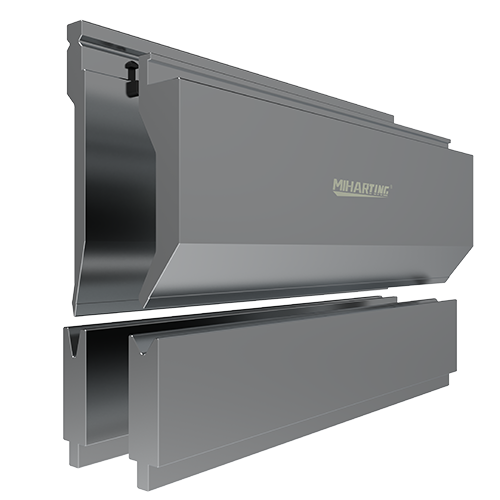
If you need replacement LVD press brake tooling, choosing a punch or die by machine brand is not enough. Different LVD press brakes can use different tooling interfaces, working heights, clamping systems and load capacities.
Your tooling also needs to match the material, thickness, bending length, inside radius and minimum flange. These factors determine whether the tool can produce the required part safely and consistently.
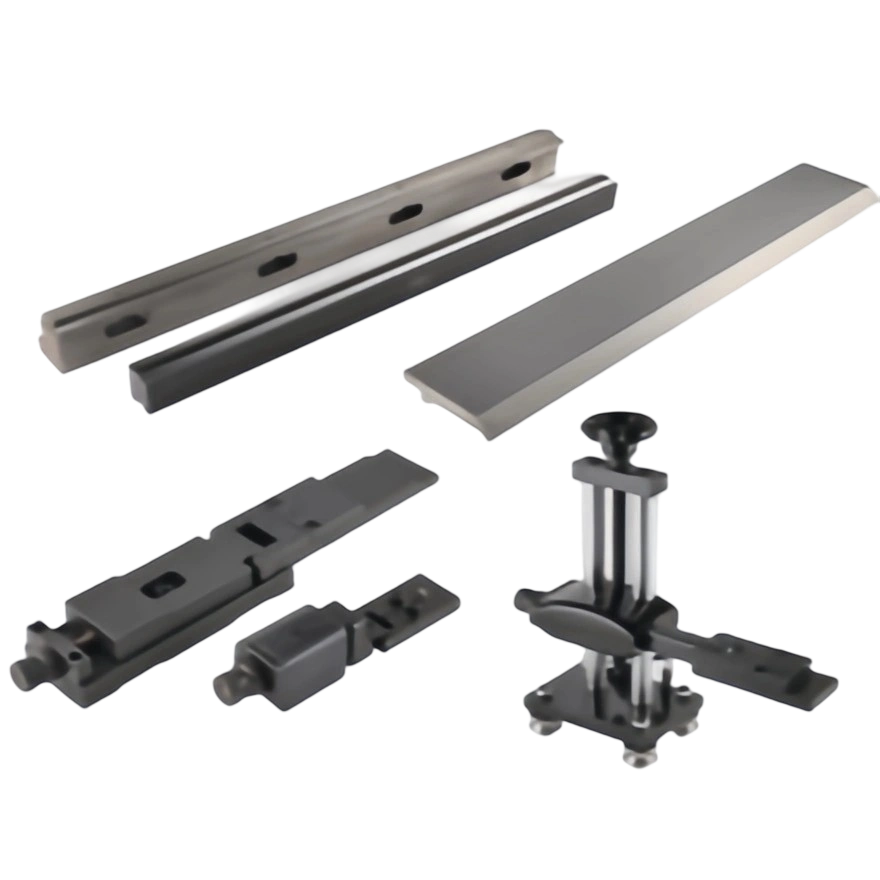
LVD offers standard punches and dies, hemming tools, multiple V dies, adjustable dies and custom tooling. For your fabrication shop, correct selection can improve bending consistency, surface quality, setup efficiency and tooling life.
One common purchasing mistake is ordering a tool simply because it is described as “LVD compatible.” The actual tooling interface must still match your press brake, tool holder and clamping configuration.
LVD documentation includes tooling configurations such as LVD10, LVD15, LVD30 and W Style. These systems can also have different load requirements, so physical fit is only one part of compatibility.
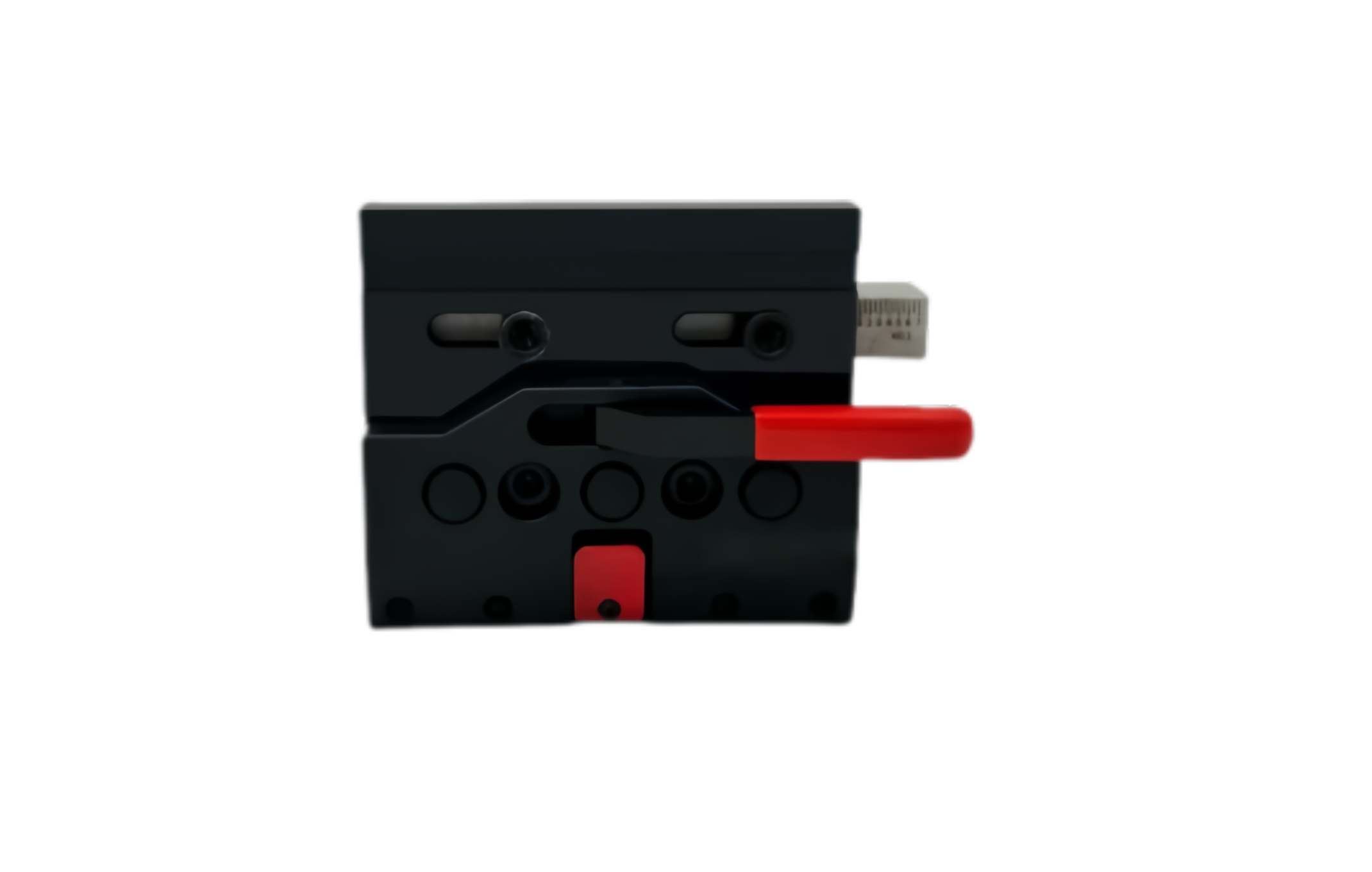
Before ordering replacement tooling, provide your machine model, tonnage, punch tang dimensions, die interface, working height and clamping type. If the machine is older or modified, photos and dimensional drawings become even more important.
Buying Tip: Do not identify replacement tooling from the LVD name alone. Confirm the actual interface, working height, holder and required load before manufacturing.
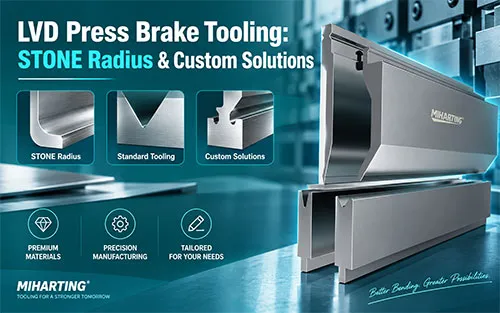
The STONE radius is one of the most recognizable features associated with LVD die design. STONE means Shaped Tooling for Optimal beNding without wEar.
Instead of a conventional transition around the V opening, the design uses a progressive radius on both die shoulders. LVD states that this design reduces friction between the material and tooling while helping minimize marking on the finished component.
During air bending, the sheet does not remain stationary on the die shoulders. It moves as the punch forces the material deeper into the V opening, creating contact pressure and sliding friction.
A progressive shoulder radius provides smoother contact during this movement. This becomes valuable when your customers require both bending accuracy and good surface appearance.
STONE-style die geometry is particularly relevant when you process materials that are sensitive to surface marking. Stainless steel, aluminum, coated sheet and decorative panels are common examples.
For stainless steel, visible shoulder marks may require additional polishing after bending. Aluminum and coated materials can be even more sensitive because their surfaces are easily scratched or damaged.
The STONE radius should not be treated as a guarantee of completely mark-free bending. Material condition, protective film, V opening, tooling cleanliness and bending pressure still influence the final surface.
For applications such as elevators, kitchen equipment, architectural panels and electrical enclosures, reducing these marks can improve finished-part quality and reduce secondary finishing work.
Tool hardness matters because punches and dies repeatedly carry concentrated loads. As the punch radius or die shoulders wear, the original geometry changes and bending consistency can gradually decrease.
LVD states that its tooling is precision ground and inductively hardened to a minimum of 56 HRC. This combination is intended to provide dimensional accuracy together with wear resistance.
When you purchase replacement LVD compatible tooling, however, hardness should never be the only specification you compare. You should evaluate the base material, heat treatment, hardened area, toughness, grinding accuracy and maximum allowable load together.
A tool with very high surface hardness is not automatically better for every application. Heavy bending also requires sufficient core toughness and structural strength.
Heavy-duty bending creates very different tooling requirements from thin sheet fabrication. Thick plate and high-strength steel can produce substantial loads on the punch, die, clamping system and press brake table.
Your first step should be calculating the required bending force using the actual material strength, thickness, bend length, V opening and tooling geometry. You can then compare that force with the rated capacity of every component in the bending system.
The complete force path includes the ram, clamping system, punch, workpiece, die, die holder and machine table. A high-capacity punch cannot protect an overloaded die or weak clamping system.
This becomes particularly important for fabrication shops using large LVD machines for structural components, heavy plate or high-strength steel.
Choosing a larger V opening can reduce the required bending force during air bending. However, selecting the largest available V die is not a complete solution.
The V opening also affects the naturally formed inside radius and minimum flange length. Your selection therefore needs to balance bending force with the final part geometry.
For example, a wider V opening may solve a tonnage problem but create an inside radius that is too large. It may also prevent you from producing the required short flange.
For heavy-duty applications, evaluate material thickness, tensile strength, inside radius, minimum flange, machine tonnage and tooling capacity together. This gives you a safer and more predictable setup.
It is useful to separate surface protection from load capacity. The STONE radius mainly changes how the material contacts the die shoulders, while heavy-duty tooling focuses on structural strength and allowable load.
Some applications require both characteristics. Thick stainless steel is a good example because you may need substantial bending force while still protecting a visible surface.
In this situation, selecting tooling only because it has a suitable V opening is not enough. You should evaluate shoulder geometry, tool material, load rating and finished-part requirements as one system.
Standard LVD press brake tooling is usually the most economical choice when your workpiece can be produced with conventional punch and die geometry. Common 90-degree bends, boxes, channels and standard radii can often use existing tooling profiles.
Custom tooling becomes necessary when the finished part creates clearance, radius or forming requirements that standard tooling cannot solve. Typical examples include deep boxes, large return flanges, offset bends, Z profiles, special channels and unusual radii.
LVD itself offers custom tooling for specialized bending applications. This reflects an important purchasing principle: you should select the tooling from the finished component backward, rather than forcing every component into available standard tools.
For custom tooling, provide a complete part drawing whenever possible. The tooling supplier can then evaluate bending sequence, interference, load and required clearance before production.
A straight punch works well for many basic bends, but it can interfere with the workpiece during later bending operations. If an existing flange approaches the punch body, you may need additional clearance.
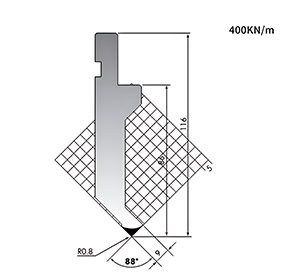
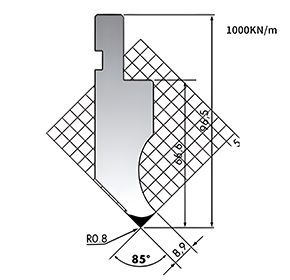
A gooseneck punch creates this clearance and is commonly used for boxes, channels and return flanges. However, increasing the gooseneck depth changes the structural geometry, so its maximum allowable load should always be checked.
Radius punches are another important option for thick plate and high-strength steel. The smallest available punch radius is not automatically the best choice because excessive material strain can affect part quality.
You should match the punch radius to the material properties, thickness and required finished radius. For demanding components, these parameters should be confirmed before manufacturing the tool.
Hemming tooling is used when you need to produce a folded or closed sheet edge. The process normally starts with an acute bend before a second operation closes or flattens the edge.
This process is common for cabinets, doors, appliances, panels and sheet metal enclosures. Because the final flattening stage can create significant force, both tooling capacity and material behavior should be considered.
If your shop processes many thicknesses, Multi V or adjustable dies can reduce the number of lower die changes. LVD includes multiple V and adjustable V solutions within its tooling range.
These systems are useful for high-mix production, but convenience should not replace correct V selection. You still need the appropriate opening for the material, radius, flange and required bending force.
LVD ToolCell requires a different purchasing approach because the machine automatically stores and changes its tooling. LVD states that ToolCell uses LVD dies and W Style punches.
Replacement tooling must therefore satisfy both the bending requirement and the automatic handling system. Tool interface, height, length, segmentation, storage position and gripper compatibility can all become important.
A tool may produce the correct bend but still be unsuitable for automatic loading. This is why ToolCell tooling should not be ordered using only a conventional punch or die drawing.
If you need replacement tooling for ToolCell, provide the exact machine model and existing tooling information. You should also confirm any automatic tool-changing requirements before production.
Start by identifying the exact press brake model, tonnage and bending length. Then measure the upper and lower tooling interfaces instead of relying only on the machine name.
Next, define the workpiece requirements. Your tooling supplier should know the material grade, thickness, bending length, target angle, inside radius and minimum flange.
For complex components, send a PDF, DXF or STEP drawing. This allows the tooling geometry and bending sequence to be checked for possible interference.
Finally, calculate the required bending force and verify the capacity of the punch, die and clamping system. The correct tool should satisfy both the part geometry and the required load.
Complete information reduces the risk of receiving tooling that fits the machine but cannot produce your actual component.
Information | Example |
Press brake | LVD PPEB |
Machine tonnage | 220 ton |
Bending length | 3000 mm |
Tooling interface | LVD or W Style |
Material | S355 |
Thickness | 6 mm |
Required angle | 90° |
Inside radius | 6 mm |
Minimum flange | 35 mm |
Required tooling | Punch and die |
Part drawing | PDF, DXF or STEP |
You should also provide clear photos of the existing punch, die and clamping system. Add dimensional measurements beside the interface whenever possible.
For older LVD machines, this step is particularly important. Previous owners may have replaced holders or modified the original tooling configuration.
One frequent mistake is assuming all LVD tooling is interchangeable. Different machines and holders can use different interfaces, working heights and capacities, so always verify the actual configuration.
Another mistake is selecting the V opening only from sheet thickness. Thickness is important, but material strength, required radius, flange length and available tonnage also influence the correct selection.
You should also avoid ignoring maximum tool load. A punch or die can physically fit your press brake while still being unsuitable for the required bending force.
Finally, do not simply copy your existing tooling when developing a new component. Starting from the finished part often reveals a better punch profile, die opening or custom solution.
No. LVD machines can use different tooling interfaces, working heights, clamping systems and load capacities. You should confirm the exact machine and holder configuration before ordering replacement tooling.
STONE uses a progressive radius around both sides of the V opening. LVD developed this geometry to reduce friction and minimize workpiece marking during bending.
Yes, it can be useful where surface appearance matters. However, the final marking level also depends on material condition, V opening, tooling cleanliness and bending pressure.
Yes. Custom LVD compatible punches and dies can be designed for special radii, offsets, profiles, return flanges and heavy-duty applications. The actual machine interface must be verified first.
Potentially, but automatic tool-changing requirements create additional compatibility conditions. Tool interface, segmentation, dimensions, storage and handling requirements should all be checked.
Provide your machine model, tonnage, tooling interface, material, thickness, bend length, inside radius and minimum flange. For complex parts, also send your part drawing and existing tooling photos.
The right LVD press brake tooling should do more than fit your machine. It should match your tooling interface, bending load, part geometry, surface requirements and production process.
Miharting provides standard and custom LVD compatible tooling for different bending applications. Send us your machine information, tooling photos and part drawing, and we can help you evaluate the right punch and die configuration.
Get an LVD Tooling Recommendation
 What Is Press Brake Tooling and How Does It Work?January 8, 2026In the world of metal fabrication, press brake tooling stands as a cornerstone of efficiency and precision, crucial for bending operations in various industries. Understanding the complex orchestratio...view
 Golden Rules of Press Brake OperationJanuary 8, 2026Operating a press brake efficiently and safely requires expertise, vigilance, and adherence to best practices. As essential machinery in the realm of sheet metal fabrication, press brakes shape and fo...view
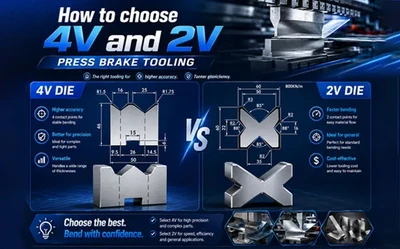 How to choose 4V and 2V press brake tooling?May 27, 2026How to choose 4V and 2V press brake tooling?What are their specific advantages,and for which applications are they best suited?This choice is a critical factor in determining your operational efficiency.We hope the following article will assist you in selecting the die best suited to your needs,thereby enhancing your production efficiency.view
 Safety First: How Vertical Front-Loading Clamps Protect Operators and Press Brake ToolingSeptember 10, 2026Learn how vertical front-loading press brake clamps, Safety-Click and anti-drop safety pins help reduce tooling-change risks and support safer CE-oriented press brake operation.view
 What Is a Proportional Valve? Definition, Function and Working PrincipleJanuary 8, 2026A proportional valve is an electrically controlled valve that continuously regulates fluid flow, pressure, or direction according to a variable command signal. Unlike a conventional on/off valve, whic...view
 How to Bend Sheet Metal by HandJanuary 8, 2026Bending sheet metal by hand is a skill that can save time and money, and it can be essential for custom projects where machine bending isn't feasible. Understanding the correct tools required and ...view