EN
EN

In modern sheet metal fabrication, the press brake itself is only one part of bending performance. The tooling installed on the machine often determines whether the final part is accurate, repeatable, efficient, and profitable.
For manufacturers using high-end CNC press brakes or quick-change clamping systems, Trumpf style press brake tooling has become a preferred choice for precision bending, fast setup, and stable long-term production. It is widely used in industries such as electrical cabinets, elevators, rail transit, automotive parts, new energy equipment, medical devices, and precision enclosures.
This guide explains the key features, practical benefits, selection points, and common buying mistakes of Trumpf style press brake tooling, helping you choose the right punch and die for your bending application.
Note: "Trumpf" and "WILA" are trademarks of their respective owners. In this article, "Trumpf style" refers to tooling manufactured with a compatible style or interface for relevant press brake clamping systems, not original branded tooling unless specifically stated.
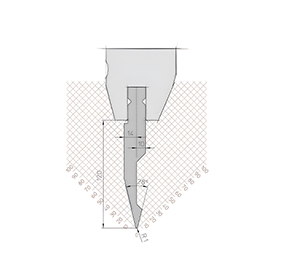
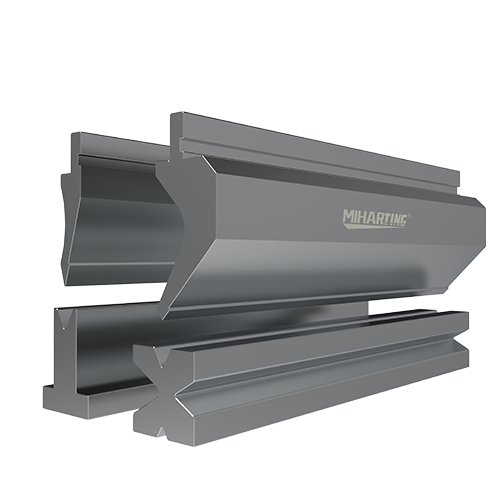
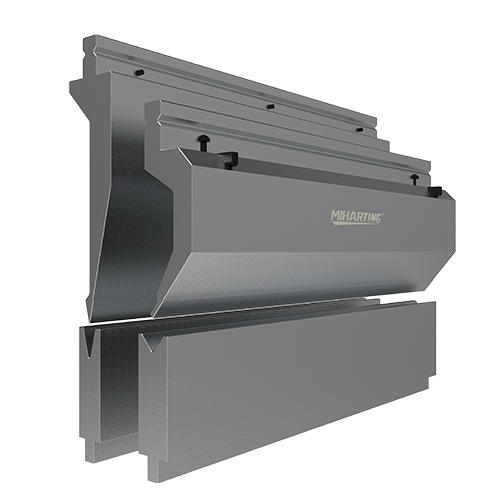
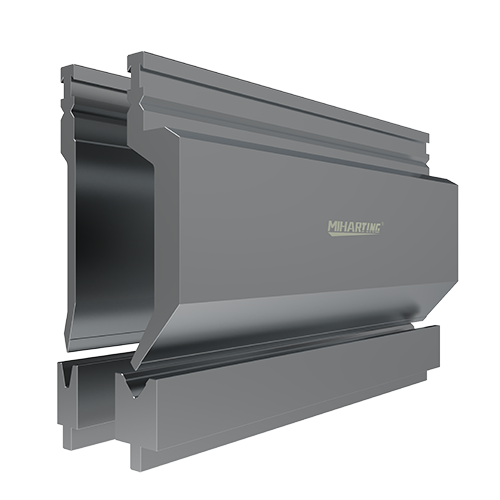
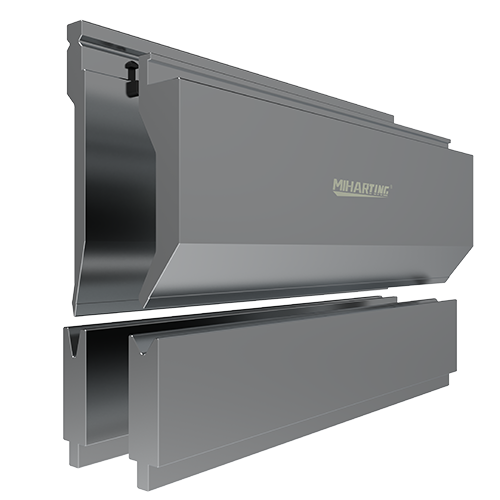
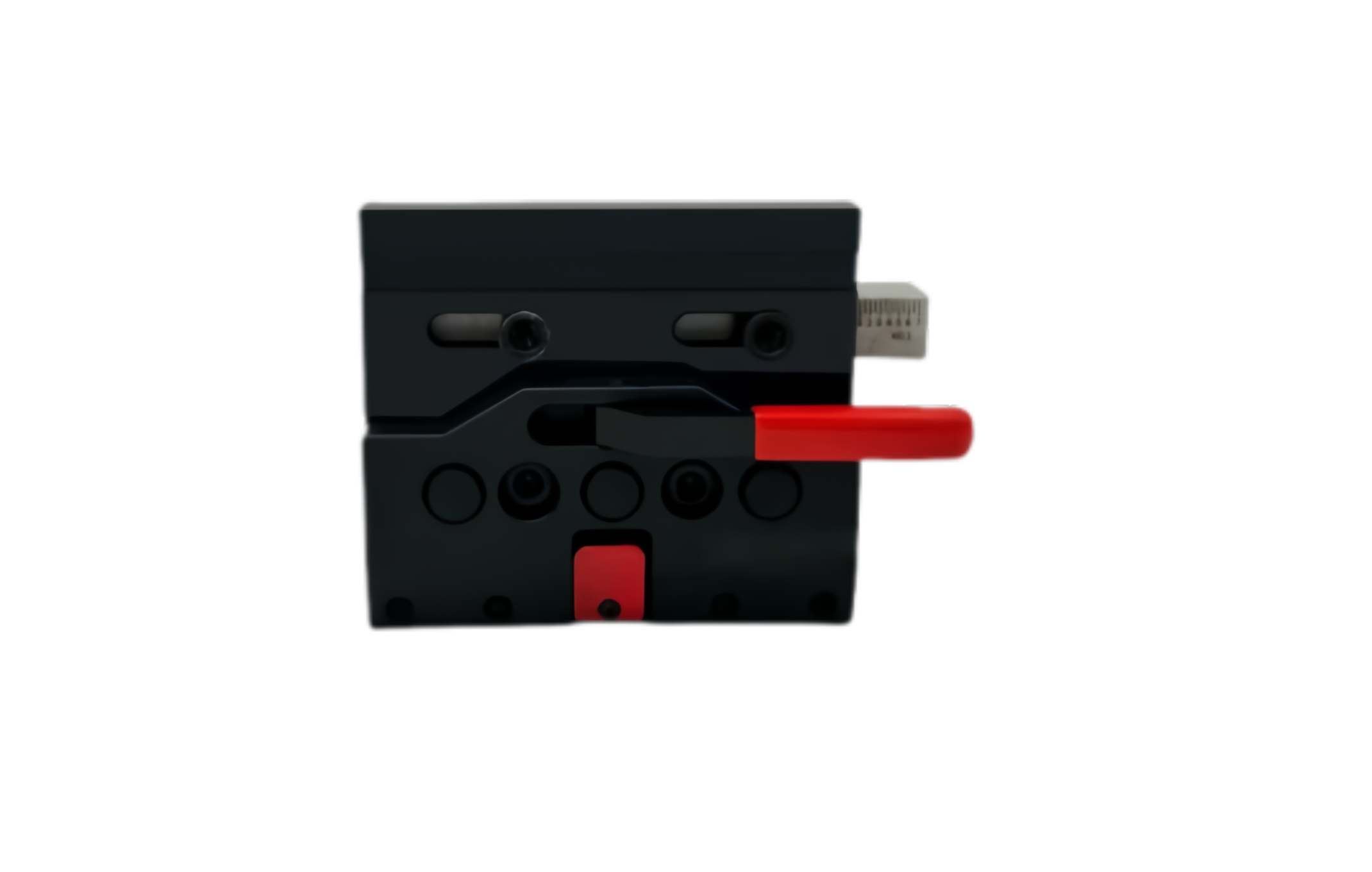
Trumpf style press brake tooling is a high-precision punch and die system designed for CNC press brakes that require accurate tool positioning, reliable clamping, and quick tool change. Compared with conventional European-style tooling, Trumpf press brake tooling is often used with advanced clamping systems that support faster loading, better alignment, and improved bending repeatability.
The system usually includes:
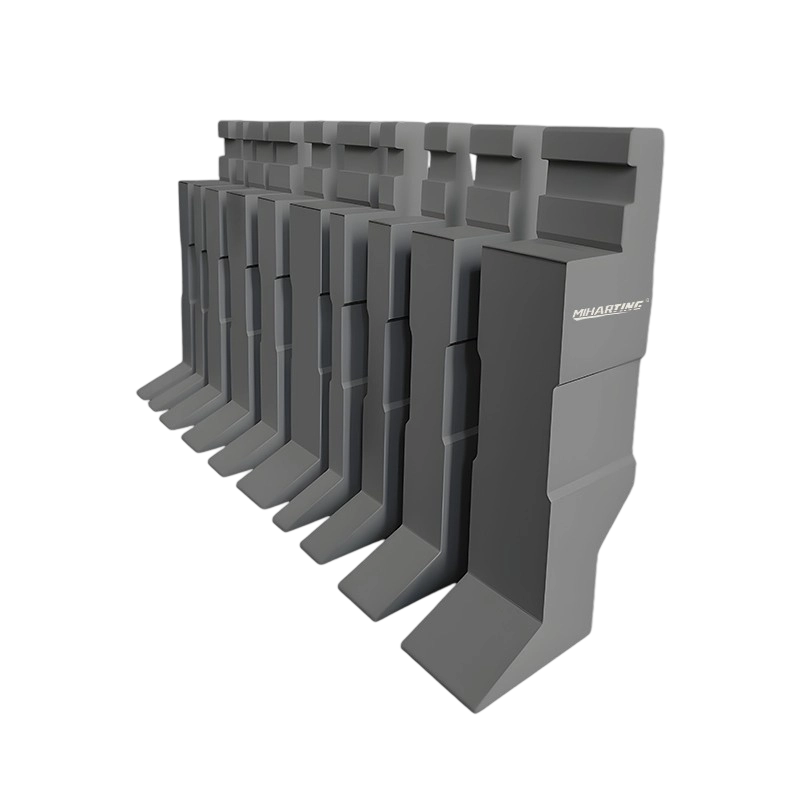
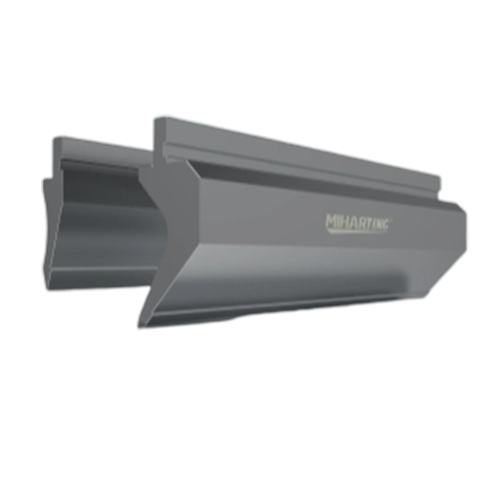
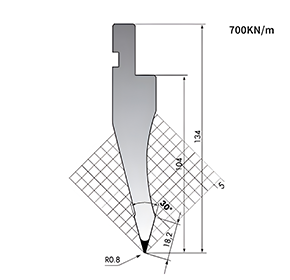
Upper punches for forming different bend angles and profiles
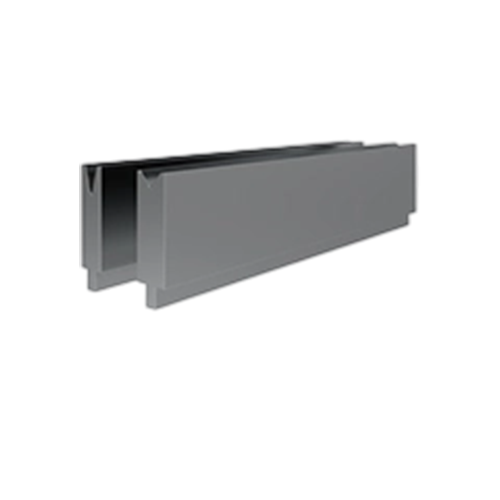
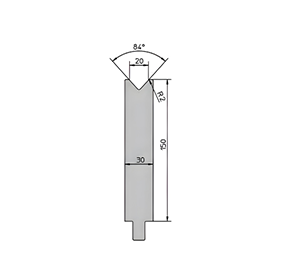
Lower dies with V openings matched to material thickness and bend radius
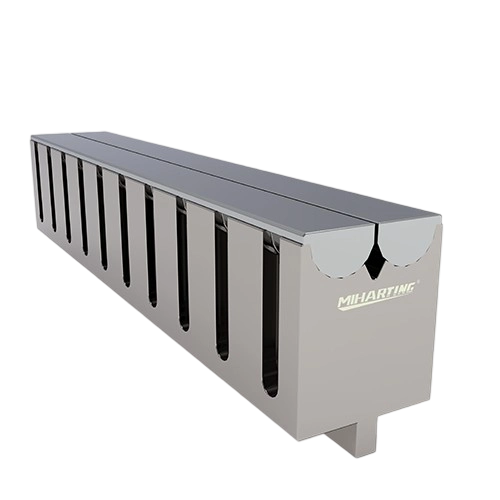
Segmented tooling for box bending and flexible length combinations
Quick-change or hydraulic/pneumatic clamping compatibility
Precision-ground contact surfaces for repeatable bending accuracy
For factories handling small-batch, multi-variety production, this type of tooling can reduce setup time and improve first-part success rates.
Many sheet metal manufacturers face the same production problems: long tool change time, angle inconsistency, premature tool wear, poor tool compatibility, and high replacement cost. Trumpf style press brake tooling is designed to solve these pain points by improving the connection between machine, tool, operator, and workpiece.
Tool change time directly affects press brake productivity. If operators spend too much time loosening bolts, aligning tools manually, and making repeated test bends, the machine is not producing parts.
Trumpf/WILA style tooling is commonly used with quick clamping systems that allow faster tool loading and unloading. For job shops producing many different parts each day, this can make a major difference. Shorter setup time means:
More bending jobs completed per shift
Less waiting between part programs
Faster response for urgent orders
Better machine utilization
Lower labor cost per part
This is especially valuable for manufacturers producing electrical cabinets, stainless steel panels, brackets, elevator components, and custom sheet metal parts.
Precision bending depends on consistent tool alignment. Even a small positioning error can create angle deviation, flange size variation, or assembly problems in the final product.
High-quality Trumpf style press brake punches and dies are manufactured with precision-ground surfaces and stable geometry. When matched with a proper clamping system, the tooling can help maintain consistent positioning along the bending length.
The result is more reliable bending performance:
Better angle consistency
Reduced test bending
Lower scrap rate
More stable batch production
Easier repeat orders with the same program
For industries such as medical equipment, electronics, automotive, new energy, and aerospace-related fabrication, repeatability is often more important than simple tooling cost.
Tooling material has a direct impact on service life. Low-grade steel may look acceptable at first, but it can wear quickly, lose precision, or deform under repeated high-pressure bending.
Miharting manufactures press brake tooling using high-quality tool steel such as 42CrMo and other suitable materials according to application requirements. With proper heat treatment, laser hardening or surface hardening processes, and CNC grinding, the working areas of the punch and die can better resist wear, compression, and deformation.
Durable tooling helps customers solve common problems such as:
Punch tip wear after repeated bending
V-die shoulder rounding
Angle drift during long production runs
Surface scratches caused by damaged tooling
Higher replacement frequency
Choosing better tooling is not only about buying a harder tool. It is about maintaining the correct geometry for a longer period, so the bending result remains stable.
Many modern sheet metal parts are not simple straight bends. Box-shaped parts, closed profiles, trays, covers, and cabinet components often require segmented tooling.
Trumpf style press brake tooling can be supplied in modular segments, allowing operators to combine different lengths based on the part design. This improves flexibility for:
Box bending
Small flanges
Return bends
Multi-bend components
Parts with side walls or interference zones
Instead of buying one full-length tool for every job, segmented tooling allows a more efficient tooling setup. This reduces unnecessary inventory and helps factories handle more part types with fewer tool sets.
Heavy tooling and slow manual clamping can increase operator fatigue and safety risk. In daily production, safety is not only about avoiding accidents. It also affects speed, confidence, and consistency.
Trumpf/WILA style systems are often designed around more ergonomic tool handling, quick locking, and stable seating. This helps operators change tools more confidently and reduces the risk of incorrect installation.
For factories training new operators or managing frequent tool changes, a safer and more standardized tooling system can reduce human error and improve production discipline.
When bending high-value materials such as stainless steel, aluminum, coated sheet, galvanized sheet, or precision-machined panels, poor tooling can create expensive waste.
Correctly selected Trumpf style punches and dies help reduce:
Angle error
Surface marking
Cracking near the bend line
Incorrect inside radius
Part rejection during assembly
For visible exterior panels or parts that require tight assembly tolerances, tooling selection should be treated as part of quality control, not just as a machine accessory.
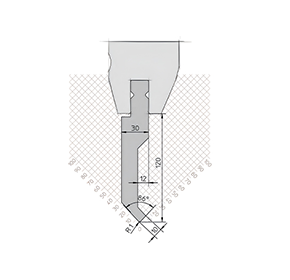
Trumpf style press brake tooling is commonly used in:
Electrical cabinets and switchgear enclosures
Elevator panels and structural components
Rail transit sheet metal parts
Automotive brackets and covers
New energy battery boxes and equipment frames
Stainless steel kitchen and medical equipment
Precision electronic enclosures
Aerospace-related sheet metal fabrication
Custom machinery covers and guards
These industries often require stable bending accuracy, clean appearance, repeatable dimensions, and efficient changeover between part types.
Before ordering tooling, confirm the following details with your supplier. This step prevents compatibility issues and reduces the risk of buying the wrong tool.
Different press brakes may use different tool holders and clamping interfaces. Even if two tools look similar, the shank, groove, height, and loading method may not be the same.
Provide your supplier with:
Press brake brand and model
Tool holder type
Clamping system type
Existing tool drawings or photos
Required tool height and installation dimensions
If you are not sure, send clear photos of the upper holder, lower holder, and existing tools. A professional tooling manufacturer can help confirm compatibility.
The lower die V opening affects bending force, inside radius, part appearance, and angle stability. A V opening that is too small may require excessive tonnage or cause surface damage. A V opening that is too large may create a larger radius and less accurate flange control.
As a general starting point for air bending, many fabricators choose a V opening around 6 to 10 times the material thickness, depending on material type, thickness, required radius, and bending method. Final selection should be confirmed based on your drawing and production conditions.
The punch tip radius affects the inside bend radius and risk of cracking. Harder materials, thicker plates, and materials with grain direction sensitivity may require a larger radius.
For stainless steel, aluminum, and high-strength steel, choosing the correct radius is especially important. If the radius is too sharp, cracking may occur. If it is too large, the final part may not meet drawing requirements.
Every punch and die has a load limit. Bending beyond the tool's rated capacity can cause tool deformation, damage, or safety risk.
Before production, calculate the bending tonnage based on:
Material type
Material thickness
Bend length
V opening
Tensile strength
Bending method
For heavy-duty bending, ask for tooling designed with higher load capacity and suitable steel grade.
Full-length tooling is suitable for long straight bends. Segmented tooling is better for boxes, trays, and complex components. Many factories use both, depending on the product mix.
If your production includes many enclosure-type parts, segmented tooling is usually more flexible and cost-effective.
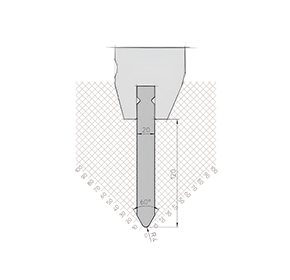
Both Trumpf style and standard European-style tooling can produce accurate bends when correctly manufactured and used. The best choice depends on your machine, clamping system, production volume, and changeover frequency.
Trumpf style tooling is often preferred when you need:
- Faster setup and quick tool change
- Higher repeatability for CNC bending
- Better compatibility with advanced clamping systems
- Segmented tooling for flexible production
- Stable performance for high-value parts
Standard European-style tooling may be a better choice when you need:
- Wider general compatibility
- Lower initial tooling cost
- Simple manual clamping
- General-purpose bending on mixed machines
If your shop runs frequent job changes or high-precision work, Trumpf/WILA style tooling can provide stronger long-term value.
Pain Point 1: I am not sure whether the tooling fits my machine.
Miharting can help check compatibility based on your machine model, tool holder photos, existing tool drawings, and required dimensions. This reduces the risk of ordering tools with the wrong interface.
Pain Point 2: My current tools wear quickly and bending angles change.
Miharting focuses on suitable tool steel, heat treatment, precision grinding, and strict inspection to maintain stable tool geometry and longer service life.
Pain Point 3: Tool change takes too long.
Miharting supplies Trumpf/WILA style tooling and press brake quick clamping solutions to help shorten setup time and improve production flow.
Pain Point 4: OEM tooling is expensive or has long lead time.
As a press brake tooling manufacturer, Miharting offers factory-direct supply, custom tooling support, and responsive communication for global customers.
Pain Point 5: My parts have special bends.
Miharting can provide customized punches, dies, segmented tools, hemming tools, large-radius tools, and special profiles based on drawings or samples.
To get an accurate quotation, prepare the following information:
- Press brake brand and model
- Photos of current clamping system
- Tooling drawing or sample photo
- Material type and thickness
- Required bend angle and inside radius
- Bending length
- Required punch/die height
- Segment length requirements
- Annual usage or production volume
- Special surface requirements, such as reduced marking for stainless steel or aluminum
The more complete the information, the faster the supplier can recommend the correct tooling.
Miharting is a China manufacturer and exporter specializing in sheet metal bending tooling and press brake accessories. Our Trumpf/WILA style press brake tooling is designed for customers who need reliable quality, competitive pricing, and practical engineering support.
Key advantages include:
- Customizable tooling for Trumpf/WILA style clamping systems
- High-quality tool steel options such as 42CrMo
- Precision machining and grinding for stable bending accuracy
- Modular segmented tooling for flexible production
- Heavy-duty tooling options for demanding applications
- Support for quick clamping and efficient tool change
- CE and ISO 9001 quality management
- Factory-direct pricing and global export experience
- Technical support before and after purchase
Whether you need standard punches and dies or customized bending solutions, Miharting can help you select tooling that fits your machine, material, and production goals.
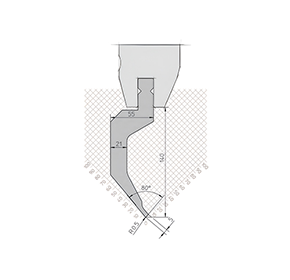
Trumpf style press brake tooling is more than a replacement part. It is a productivity tool that affects bending accuracy, setup time, operator safety, tool life, and final product quality.
For manufacturers facing frequent tool changes, strict tolerance requirements, high-value materials, or complex sheet metal parts, choosing the right Trumpf/WILA style tooling can reduce waste and improve production efficiency.
If you are looking for reliable Trumpf style press brake tooling, send your machine model, tooling photos, drawings, material thickness, and bending requirements to Miharting. Our team will help you confirm compatibility and recommend the right punch and die solution for your production.
1. What is Trumpf style press brake tooling?
Trumpf style press brake tooling refers to punch and die tooling manufactured with a compatible style or interface for press brake systems commonly associated with Trumpf/WILA type clamping. It is used for high-precision CNC bending and fast tool change applications.
2. Is Trumpf style tooling the same as WILA style tooling?
They are closely related in many applications, but exact compatibility depends on the tool holder, clamping system, shank design, tool height, and machine model. Always confirm dimensions before ordering.
3. Can Miharting customize Trumpf style press brake tools?
Yes. Miharting can customize punches, dies, segments, special profiles, and heavy-duty tooling based on drawings, samples, machine model, and bending requirements.
4. Which material is best for press brake tooling?
For high-quality tooling, alloy tool steels such as 42CrMo are widely used because they provide good strength, toughness, wear resistance, and stability after proper heat treatment.
5. How do I choose the right V opening?
For air bending, the V opening is commonly selected based on material thickness, material type, inside radius, and tonnage. A common starting range is about 6 to 10 times the material thickness, but the final choice should be confirmed by the drawing and bending method.
6. How can I avoid buying the wrong tooling?
Send your supplier the press brake brand, model, clamping system photos, existing tool drawings, required height, material thickness, and bending drawings. Compatibility checking before production is the best way to avoid mistakes.
Recommended Reading:Amada vs Trumpf & Wila guide
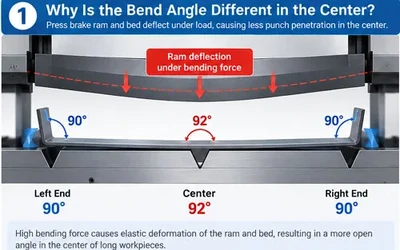 Understanding Press Brake Crowning: Hydraulic vs. CNC Mechanical SystemsSeptember 14, 2026You bend a 3- or 4-meter sheet on a press brake.The left end measures 90°.The right end measures 90°.But the center measures 91° or 92°.The first reaction is often to adjust the Y-axis or blame th...view
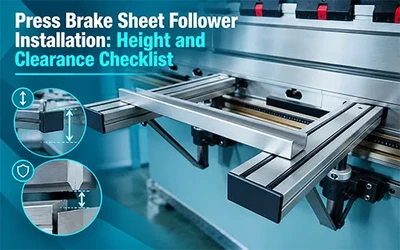 Press Brake Sheet Follower Installation: Height and Clearance ChecklistOctober 10, 2026Before ordering a press brake sheet follower, check its installation dimensions against your machine and tooling. Accurate measurements help you identify height, clearance, and support-table conflicts before installation.view
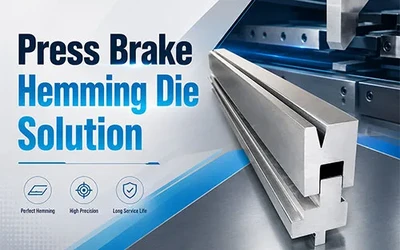 Press Brake Hemming Die Solution for Safer and Stronger Sheet Metal EdgesAugust 17, 2026A press brake hemming die, also known as a sheet metal hemming die or flattening die, is an effective tooling solution for this problem. By folding and flattening the edge of the sheet metal, the die helps create a smooth, safe, and reinforced edge. This process is widely used for electrical cabinets, machine covers, enclosures, doors, panels, trays, home appliance parts, elevator components, and other precision sheet metal products.view
 What Role Does the Bending Machine Mold Play in Improving the Safety Performance of Automobiles?June 26, 2025Press brake machine molds play a vital role in improving the safety performance of automobiles. Specifically, in the automobile manufacturing process, press brake machine molds are mainly used to shap...view
 7 FAQs to Help You Quickly Choose Press Brake ToolingJune 4, 2026Unsure how to choose press brake tooling and lower die V-grooves? This article provides a detailed guide to key selection criteria for press brake dies, covering aspects such as die plate thickness, V-grooves, die segmentation, material composition, hardness, causes of die collision, and heat treatment.view
 Bystronic Press Brake Tooling Catalogue: A Practical Selection and Compatibility GuideJuly 28, 2026A tooling catalogue is useful only when it helps an engineer move from a part drawing to a safe, repeatable bending setup. Buyers often start with a machine brand and a familiar tool description, but ...view