EN
EN

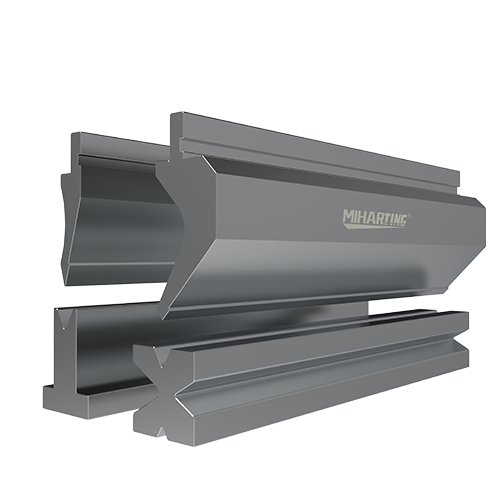
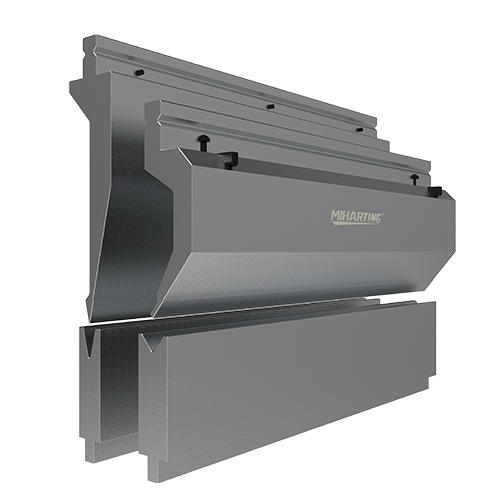
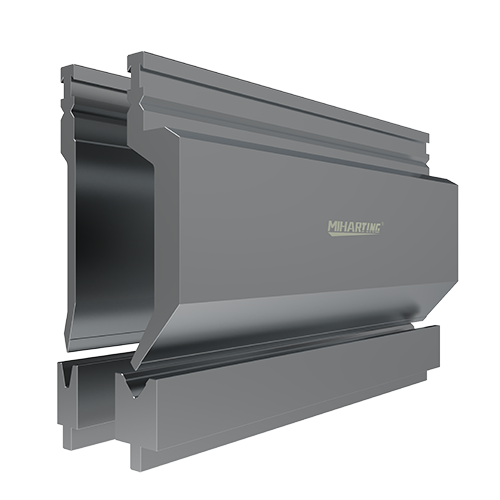
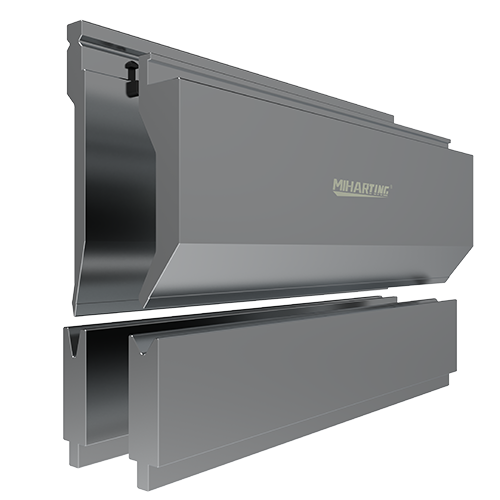
In sheet metal fabrication, press brake tooling is a critical component that directly impacts bending angles, workpiece surface quality, production efficiency, and equipment safety. If the tooling is choosed inappropriately, issues such as inconsistent angles, prominent indentation marks, and tool collision may arise. Below, we have compiled a list of seven common considerations to help you quickly choose the press brake dies best suited to your specific needs.
choosing the appropriate V-groove requires first considering factors such as the sheet thickness, material strength, bending radius, and bending angle. Generally, the thicker the sheet material, the larger the V-groove required; conversely, for thinner sheets, a smaller V-groove can be choosed to ensure dimensional accuracy and optimal forming results.
When bending standard carbon steel sheets, the width of the lower die V-groove is typically choosed to be 6 to 8 times the sheet thickness:
For 1mm sheet material, V6 or V8 can be choosed;
For 2mm sheet material, V12 or V16 can be choosed;
For 3mm sheet material, V18 or V24 can be choosed;
For 5mm sheet material, V32 or V40 can be choosed.
The above serves as a general reference only. If your product requires a high degree of precision regarding bending radius or angle accuracy, it is recommended that you choose the appropriate tooling based specifically on the engineering drawings.
The V-groove determines the support span for the sheet material during the bending process.
If the V-groove is too narrow, the required bending force will increase significantly; this places a greater load on both the tooling and the machine, makes the workpiece surface prone to deep indentations, and—in severe cases—may even result in damage to the tooling.
Conversely, if the V-groove is too wide, the bending radius will increase, the position of the bend line may become unstable, and it may be impossible to form parts with very short flange lengths.
Generally speaking:
Thin sheets are best suited for narrow V-grooves, as this facilitates precise dimensional control;
Medium-thickness sheets are best suited for standard V-grooves, offering a balance between proper forming and manageable bending forces;
Thick sheets are best suited for wide V-grooves, as this reduces bending pressure and helps protect both the equipment and the tooling.
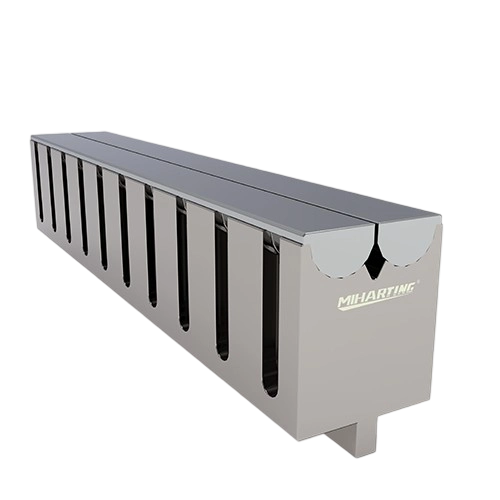
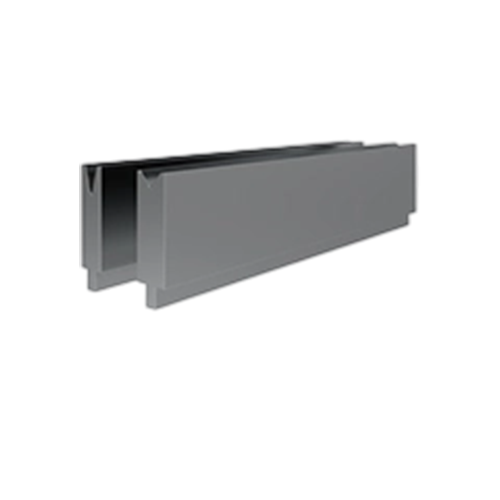
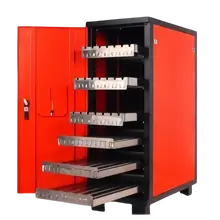
For customers engaged in mass production, it is recommended to maintain an inventory of bottom dies in various specifications, or to opt for multi-groove bottom dies, in order to effectively accommodate the processing requirements of sheet materials with varying thicknesses.
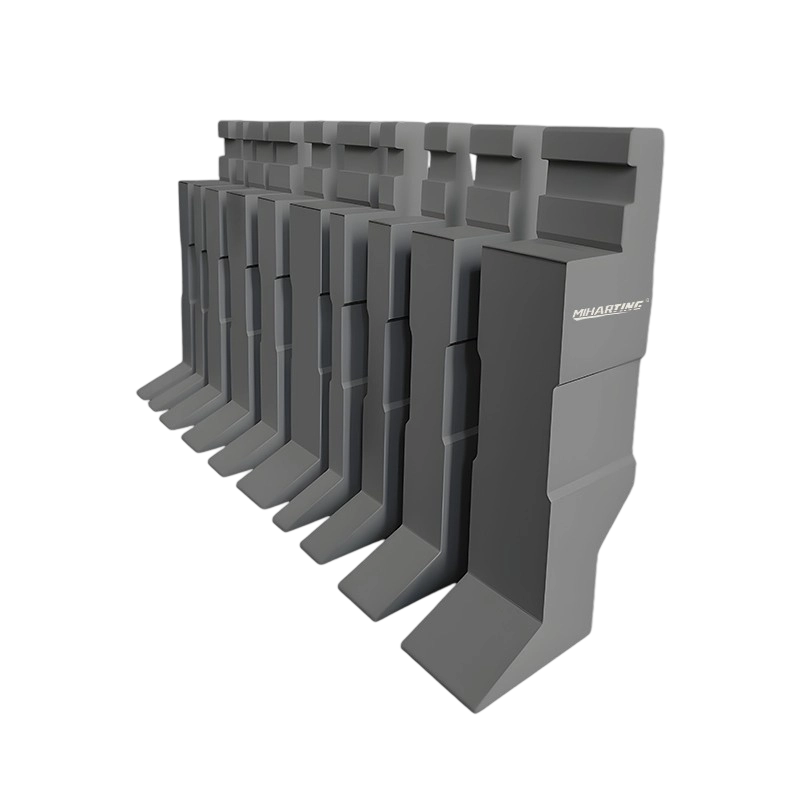
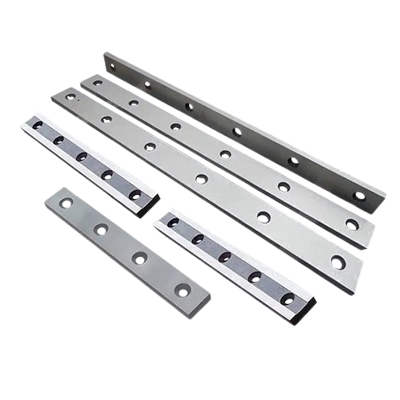
Common mold segmentation lengths include combinations such as 835mm, 800mm, 550mm, 415mm, 370mm, 200mm, 100mm, 50mm, 40mm, 20mm, 15mm, and 10mm.
Mold segmentation offers three primary benefits:
First, it facilitates the processing of workpieces of varying lengths;
Second, it allows for clearance to avoid interference with flanges or structural features on the workpiece after bending;
Third, it simplifies transportation, installation, and replacement.
What is a mold holder?
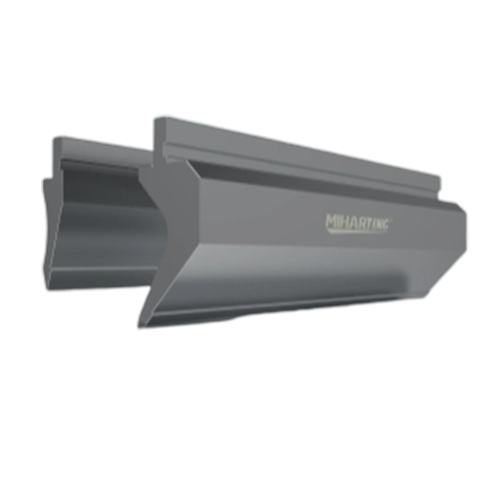
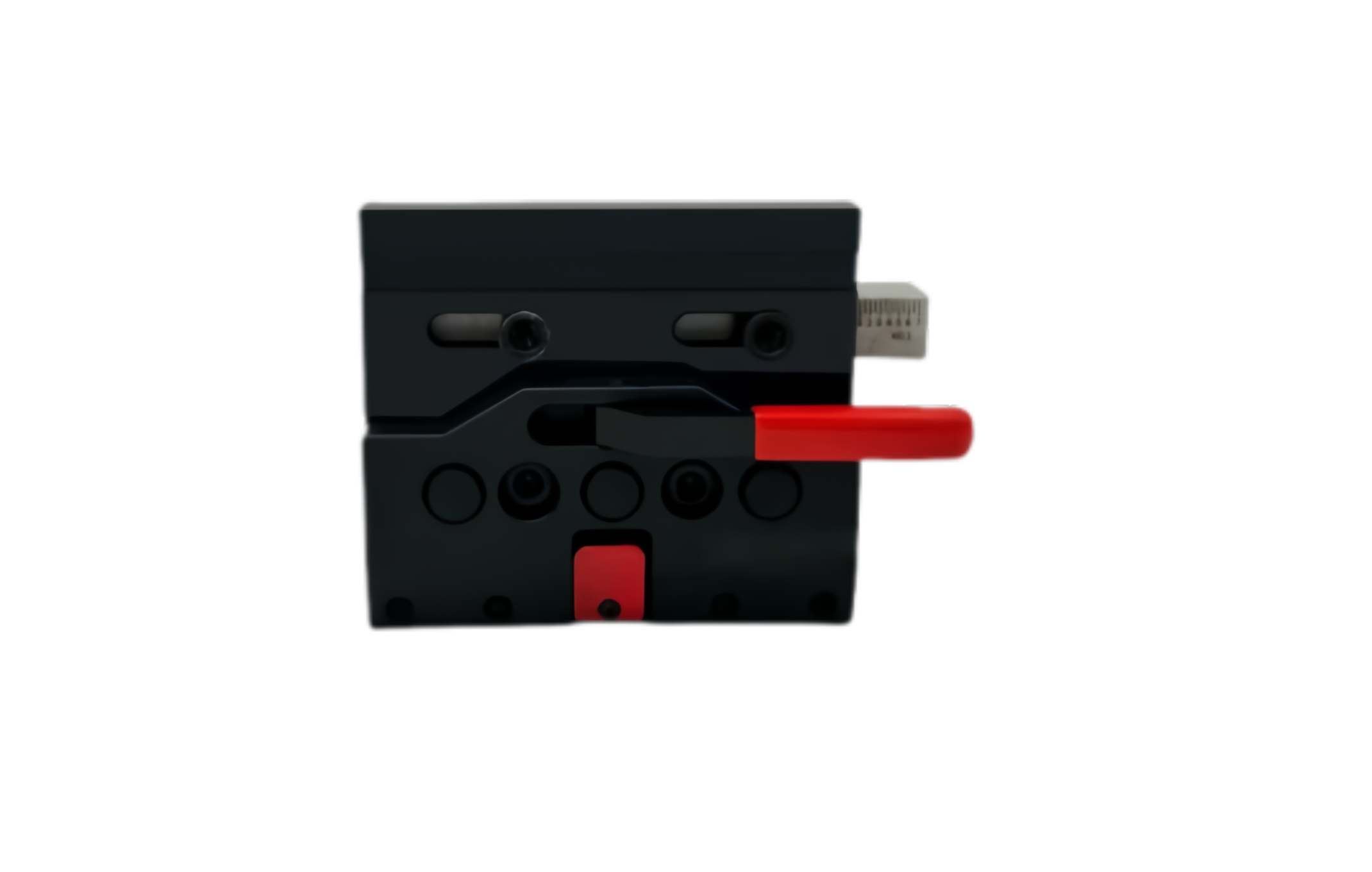
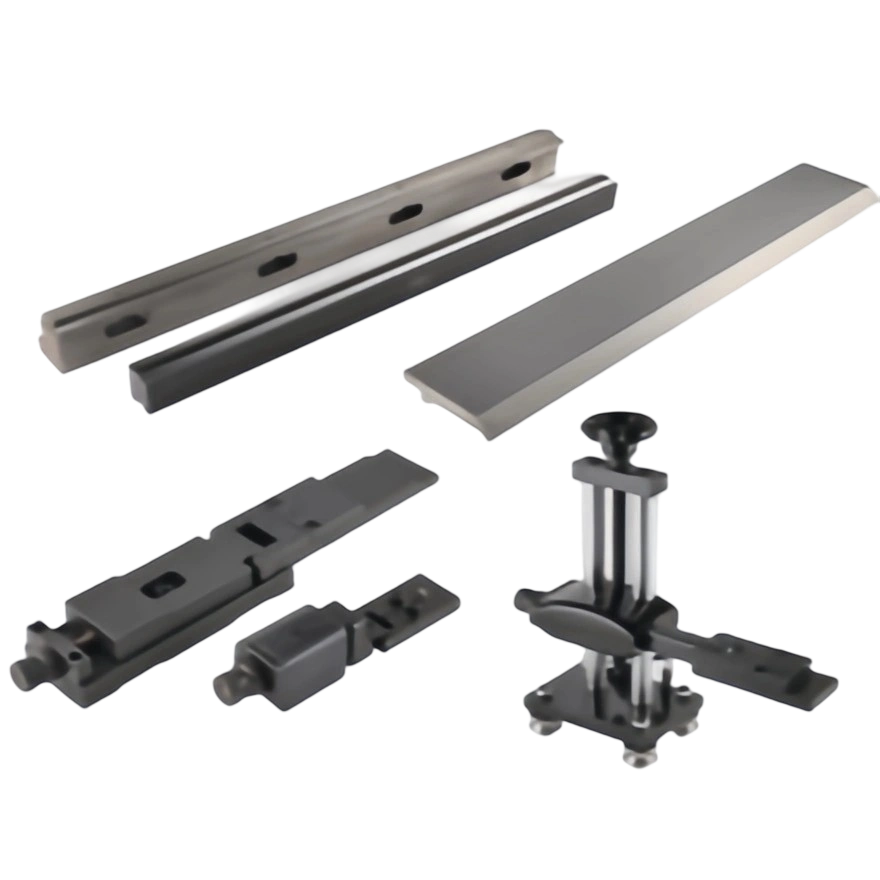
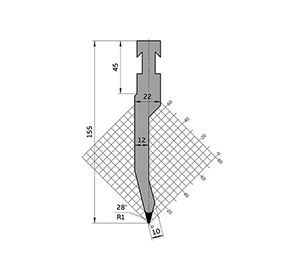
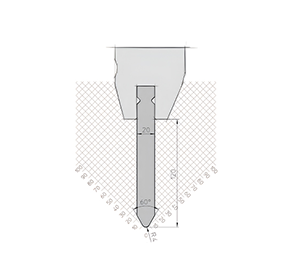
A mold holder—also referred to as a mold clamping block or mold support device—is primarily used to connect, support, and secure the mold. It helps ensure the mold is mounted more stably onto the press brake, thereby improving clamping efficiency and positioning accuracy.
The interface for the mold holder may vary depending on the specific brand and model of the press brake. Therefore, when ordering custom molds, it is essential to verify the machine model, mold mounting dimensions, clamping method, and whether an intermediate plate or adapter holder is required.
Common materials used for press brake dies include 45# steel, 42CrMo, and others. Different materials possess distinct performance characteristics and are suited to different application scenarios.
45# steel is cost-effective and easy to machine, making it suitable for general bending operations and low-intensity applications. However, its wear resistance and impact strength are relatively limited, making it unsuitable for long-term, heavy-duty production environments.
42CrMo offers superior overall performance, characterized by high strength, excellent toughness, and strong impact resistance. It is currently one of the most widely used materials for press brake tooling, ideal for medium-to-high intensity bending operations.
Miharting utilizes 42CrMo, which offers enhanced wear resistance. If you are engaged in long-term, high-volume production, we recommend prioritizing 42CrMo—or even higher-grade materials—in conjunction with appropriate heat treatment processes. This approach ensures greater reliability regarding your tooling's service life, operational stability, and processing quality.
For standard press brake dies, the working surfaces typically achieve a hardness of approximately HRC 45–52 following heat treatment. However, higher hardness is not always preferable; rather, a proper balance must be struck between wear resistance and toughness.
If the hardness is too low, the die becomes susceptible to premature wear and edge deformation; over time, this will compromise bending angles and product consistency.
Conversely, if the hardness is too high, the die's toughness may diminish, making it more prone to chipping, cracking, and similar defects when subjected to impact loads or off-center forces.
Therefore, when evaluating high-quality press brake dies, one must look beyond the mere hardness value to consider other critical parameters, such as the base material, heat treatment depth, and machining precision.
Tool collision refers to an abnormal impact occurring between the upper and lower dies during the bending process—a situation that may, for instance, prevent the processed workpiece from being properly removed.
Cause 1: This is typically caused by insufficient clearance between the upper and lower dies. Our company can custom-design upper and lower dies based on your specific drawings and machine specifications to prevent such collisions.
Cause 2: When bending complex workpieces, previously formed edges may come into contact with the upper die, lower die, or die holder after multiple bending operations. If the bending sequence and die clearance—based on the engineering drawings—were not properly designed during the planning stage, tool collision issues are highly likely to occur.
Mold quenching involves heating mold steel to a specific temperature to induce a transformation in its internal microstructure, followed by rapid cooling—typically via oil, water, or other cooling media—to enhance the mold's hardness and wear resistance.
The principle behind quenching lies in altering the internal structural composition of the steel, thereby enabling the material to achieve superior strength and enhanced wear resistance.
However, quenched materials typically become brittle; therefore, a subsequent tempering process is required to relieve internal stresses and improve the material's toughness and stability.
Bending machine molds are critical components that directly determine bending quality, production efficiency, and long-term operating costs. When choosing a mold, it is advisable to pay close attention to the V-groove specifications, applicable plate thickness range, mold material, heat-treatment hardness, segmentation method, and compatibility with your specific bending machine model.
We invite you to submit your technical drawings, plate thickness specifications, material type, and bending machine model details; Miharting will then recommend the most suitable bending machine mold solution tailored to your needs.
[Get a Free Quote] [Press Brake Tooling Application]
 Press Brake Tooling Maintenance: How to Extend Tool LifeJune 8, 2026Learn practical press brake tooling maintenance tips to extend tool life, reduce bending defects, improve accuracy, and lower tooling replacement costs.view
 Rolla V Dies for Mark-Free Bending: How to Bend Stainless Steel without MarksJune 30, 2026For stainless steel fabricators producing elevator panels, kitchen equipment, architectural decoration, medical device covers, appliance panels, and premium metal enclosures, the surface quality of th...view
 How to Choose Rolla V Tooling for a European Press BrakeJune 29, 2026Discover how Rolla V Tooling helps European sheet metal manufacturers reduce bending marks, lower setup time and improve press brake productivity.view
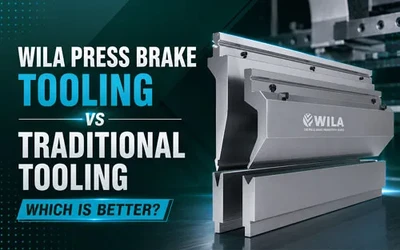 WILA Press Brake Tooling vs Traditional Tooling: Which Is Better?August 26, 2026Choosing press brake tooling is not just a purchasing decision. It affects setup time, bend accuracy, operator safety, scrap rate, machine utilization, and whether your shop can handle short-run jobs profitably.view
 What Special Requirements Do Titanium Alloys and Composite Materials Have for the Design of Bending Machine Molds?June 26, 2025Titanium Alloy:1. Due to the high hardness of titanium alloys, mold design needs to consider the use of specially designed structures and processes to adapt to its bending characteristics. The choice ...view
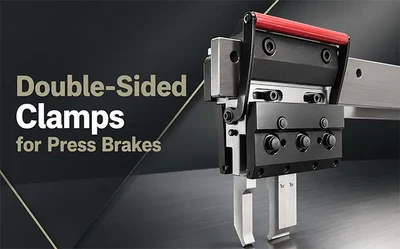 Double-Sided Clamps: The Smarter Way to Expand Press Brake Bending FlexibilityJune 23, 2026Discover how FAST double-sided clamps help press brake users achieve front and rear tool clamping, faster setup, safer operation, and lower tooling costs.view