EN
EN

In the traditional air bending process, the sheet metal slides over the shoulders of a static V-die. This movement creates friction, resulting in “die marks” or “witness marks” on the underside of the workpiece. For industries working with stainless steel, aluminum, or pre-painted materials, these marks represent a significant cost in secondary polishing. MIHARTING’s Rolla-V tooling represents a paradigm shift, replacing sliding friction with rolling contact to achieve a flawless finish.
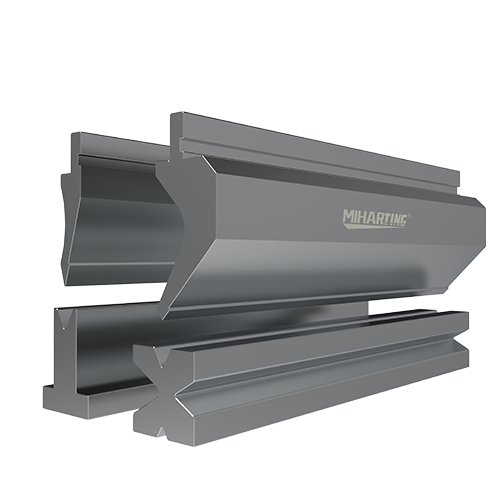
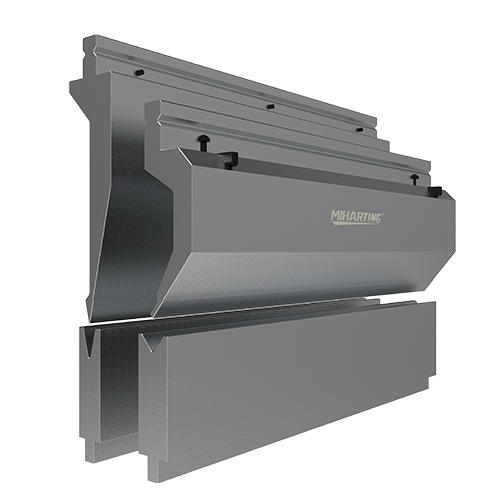
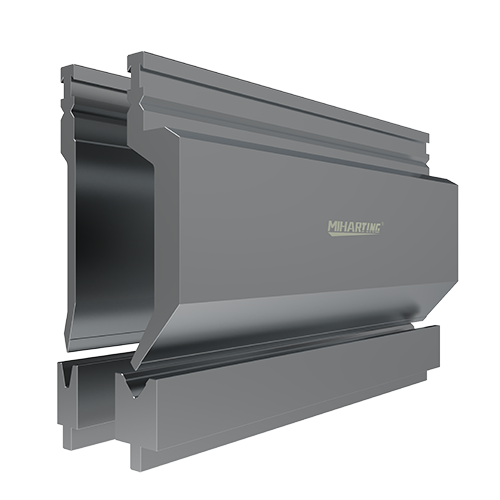
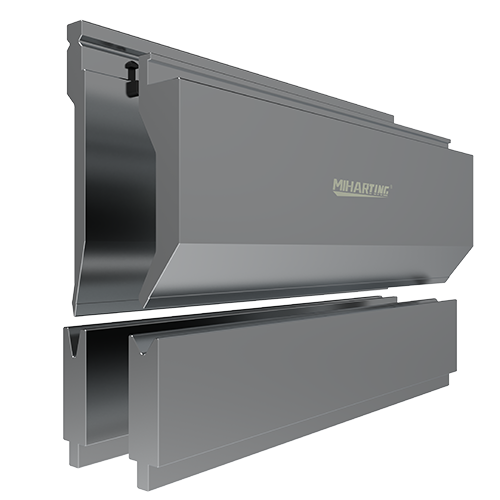
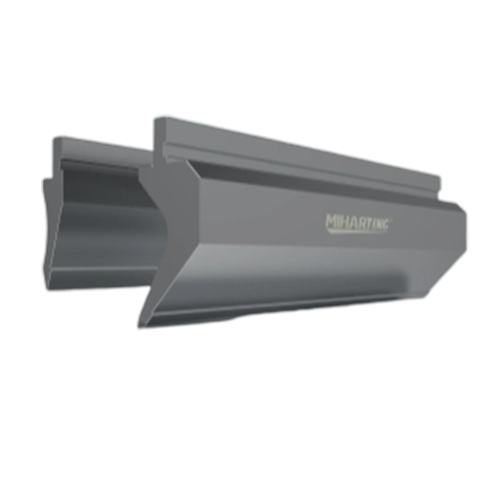
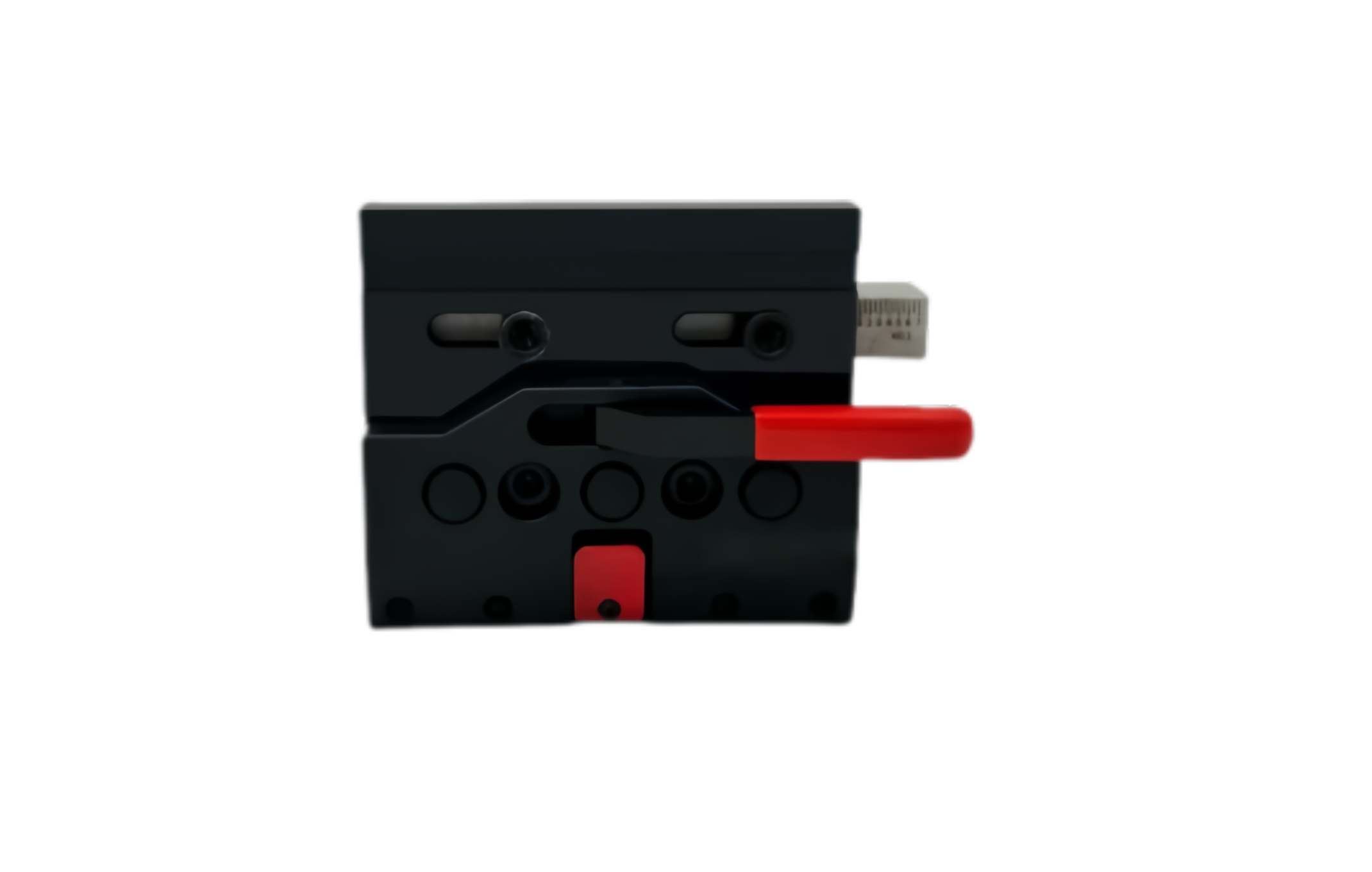
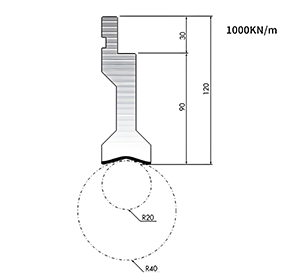
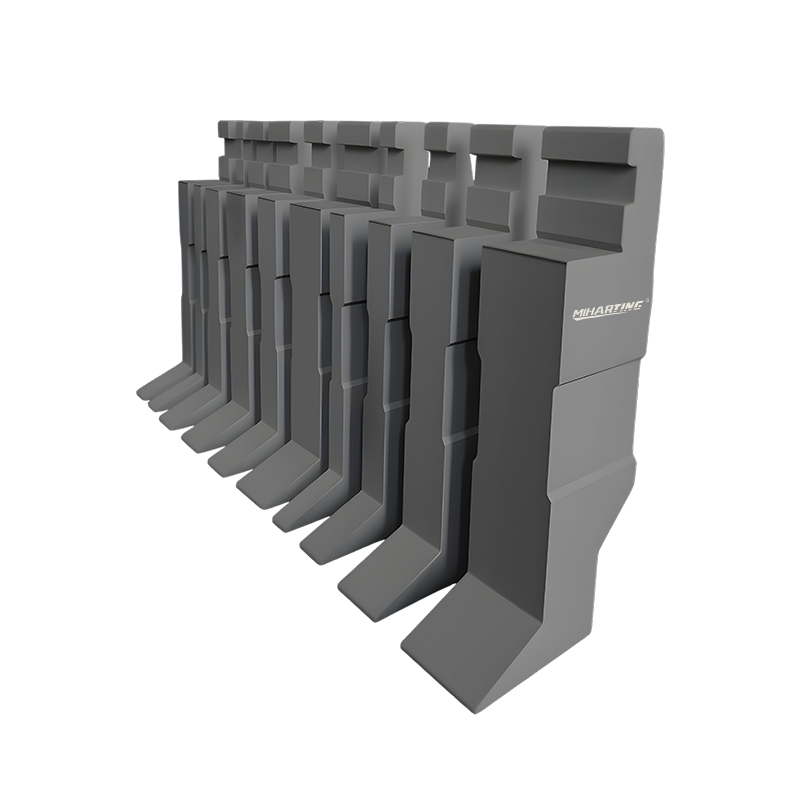
Unlike standard dies, a Rolla-V die features two rotating “wings” or inserts supported by high-precision rotors.
The Bending Physics: As the punch descends, the wings rotate with the material. The sheet metal stays in a fixed position relative to the wing surface, meaning there is zero scraping.
The Result: A significant reduction in surface tension and the complete elimination of carbon steel contamination on stainless steel parts.
Engineers must understand that Rolla-V tooling behave differently under load than standard V-blocks.
Tonnage Reduction: Because the material rolls rather than slides, the friction coefficient is reduced by approximately 15-20%. This extends the life of the press brake’s hydraulic seals and the tool itself.
The Minimum Flange (b) Formula:
In a standard V-die, the minimum flange is typically $b = 0.5 \times V + r$.
With MIHARTING Rolla-V, the minimum flange can be reduced to $b = 2.5 \times t$ (where $t$ is thickness), allowing for much tighter geometries near the bend line.
| Model Series | Equivalent V-Opening | Max Thickness (Mild Steel) | Max Tonnage |
|---|---|---|---|
| MI-RV1 | 6mm - 10mm | 1.5mm | 100 t/m |
| MI-RV2 | 12mm - 20mm | 3.0mm | 150 t/m |
| MI-RV3 | 24mm - 40mm | 6.0mm | 250 t/m |
A common nightmare for fabricators is a hole or slot located close to the bend line. In a standard V-die, the hole will “flare” or distort as it passes over the die shoulder. MIHARTING’s Rolla-V inserts support the material throughout the entire rotation, preventing the hole from falling into the V-gap. This makes it the premier choice for electronics enclosures and aerospace components.
To ensure 1,000,000+ cycles, MIHARTING recommends:
Debris Management: Use compressed air to clear scale from the rotors every 500 strokes.
Lubrication: Use a dry PTFE spray. Avoid heavy grease, which can trap metal dust and create an abrasive paste.
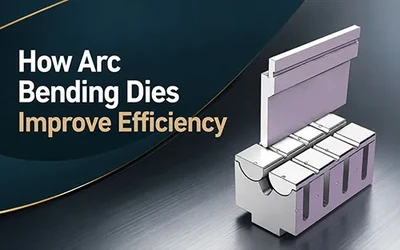 How Arc Bending Dies Improve EfficiencyJuly 29, 2026Arc bending dies can meet a wide range of bending radius requirements by simply changing the die head. This article explains the arc bending solution, die structure, advantages, and selection tips for efficient sheet metal forming.view
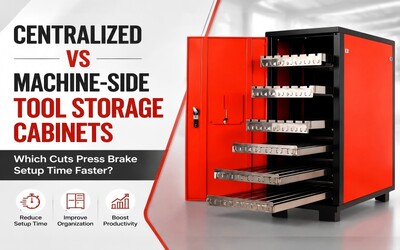 Centralized vs Machine-Side Tool Storage Cabinets: Which Cuts Press Brake Setup Time Faster?September 14, 2026Machine-side tool storage cabinets usually reduce press brake setup time faster in high-mix manufacturing environments because operators can access frequently used punches, dies, and accessories direc...view
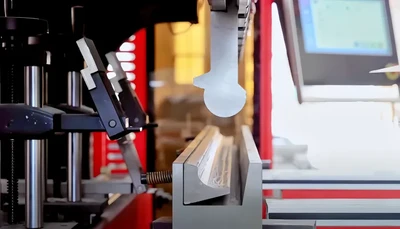 Benefits of Miharting Bending ToolsJanuary 8, 2026Miharting Bending Tools have become a cornerstone in the realm of metal forming, prominently used in various industries for tasks such as sheet metal bending tools. They offer a balance of precision a...view
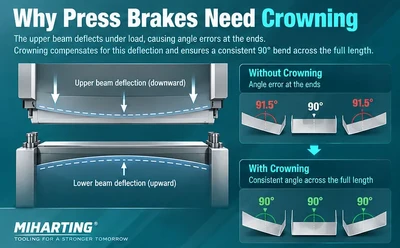 How to Choose a Press Brake Crowning System for Better Bending AccuracySeptember 23, 2026Learn how to choose the right press brake crowning system for accurate bending. Compare mechanical, CNC and hydraulic crowning for press brake manufacturers.view
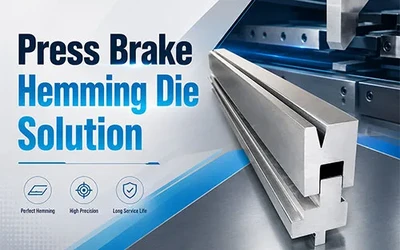 Press Brake Hemming Die Solution for Safer and Stronger Sheet Metal EdgesAugust 17, 2026A press brake hemming die, also known as a sheet metal hemming die or flattening die, is an effective tooling solution for this problem. By folding and flattening the edge of the sheet metal, the die helps create a smooth, safe, and reinforced edge. This process is widely used for electrical cabinets, machine covers, enclosures, doors, panels, trays, home appliance parts, elevator components, and other precision sheet metal products.view
 Why Global Fabricators are Shifting to High-End China Press Brake Tooling: Quality vs. Cost AnalysisApril 22, 2026For decades, the global metal fabrication industry looked to Europe and Japan for precision. However, the last five years have seen a tectonic shift. China press brake tooling, led by specialized manu...view