EN
EN

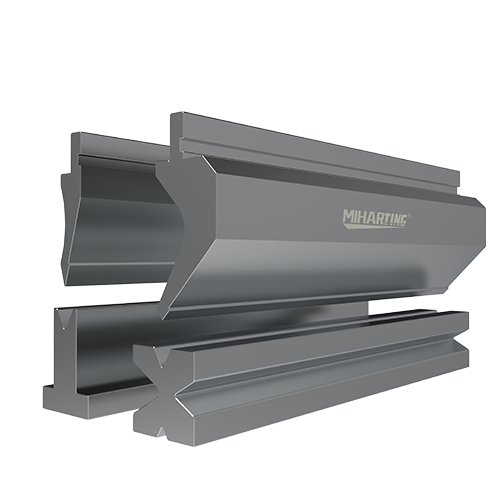
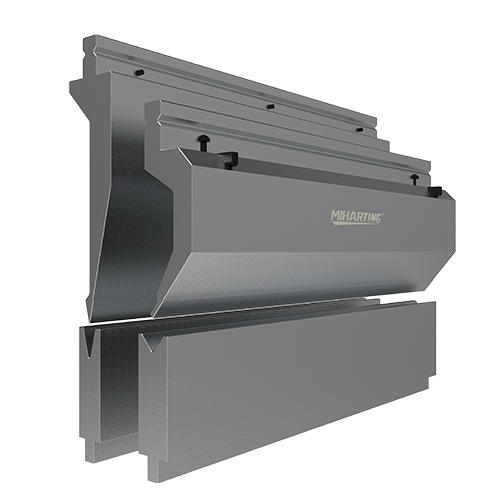
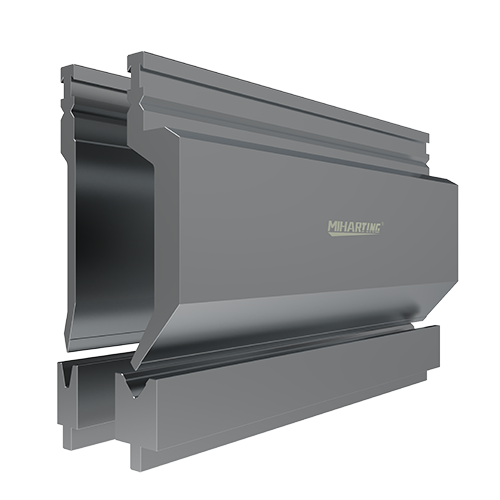
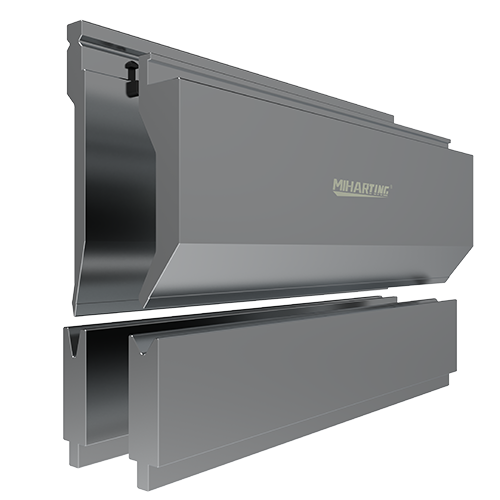
In a world of “Just-in-Time” manufacturing, the longest part of the bending process is no longer the bend itself—it’s the setup. Amada AFH (Amada Fixed Height) tooling was designed to solve this. At MIHARTING, we have perfected the manufacturing of AFH-compatible tools to help Amada users achieve zero-setup-time goals.
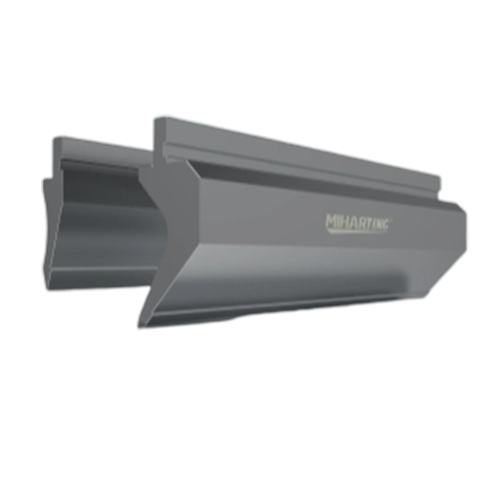
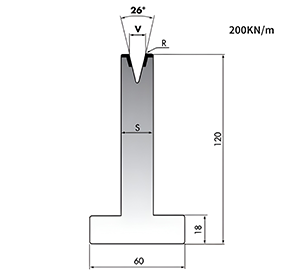
The core concept of AFH is that every punch, regardless of its shape (Straight, Gooseneck, or Acute), shares a common “Shut Height.”
Why it matters: In traditional tooling, if you switch from a 90° punch to a 30° punch, you must re-program the machine's ram stroke because the tool heights differ. With MIHARTING AFH series, the tip of the tool is always at the same coordinate relative to the ram.
Common AFH Specs:
Punch Height: 120mm / 150mm / 160mm
Die Height: 60mm / 90mm / 120mm
With MIHARTING's Amada AFH tooling, operators can perform “Stage Bending.” This involves placing different tool profiles side-by-side on the press brake.
Technical Synergy: Because all tools share the same height, the operator can move the workpiece from one station to the next in a single program. This reduces part handling by up to 70%.
Because AFH tools are often used in high-speed Amada machines with Automatic Tool Changers (ATC), they must meet rigorous physical standards.
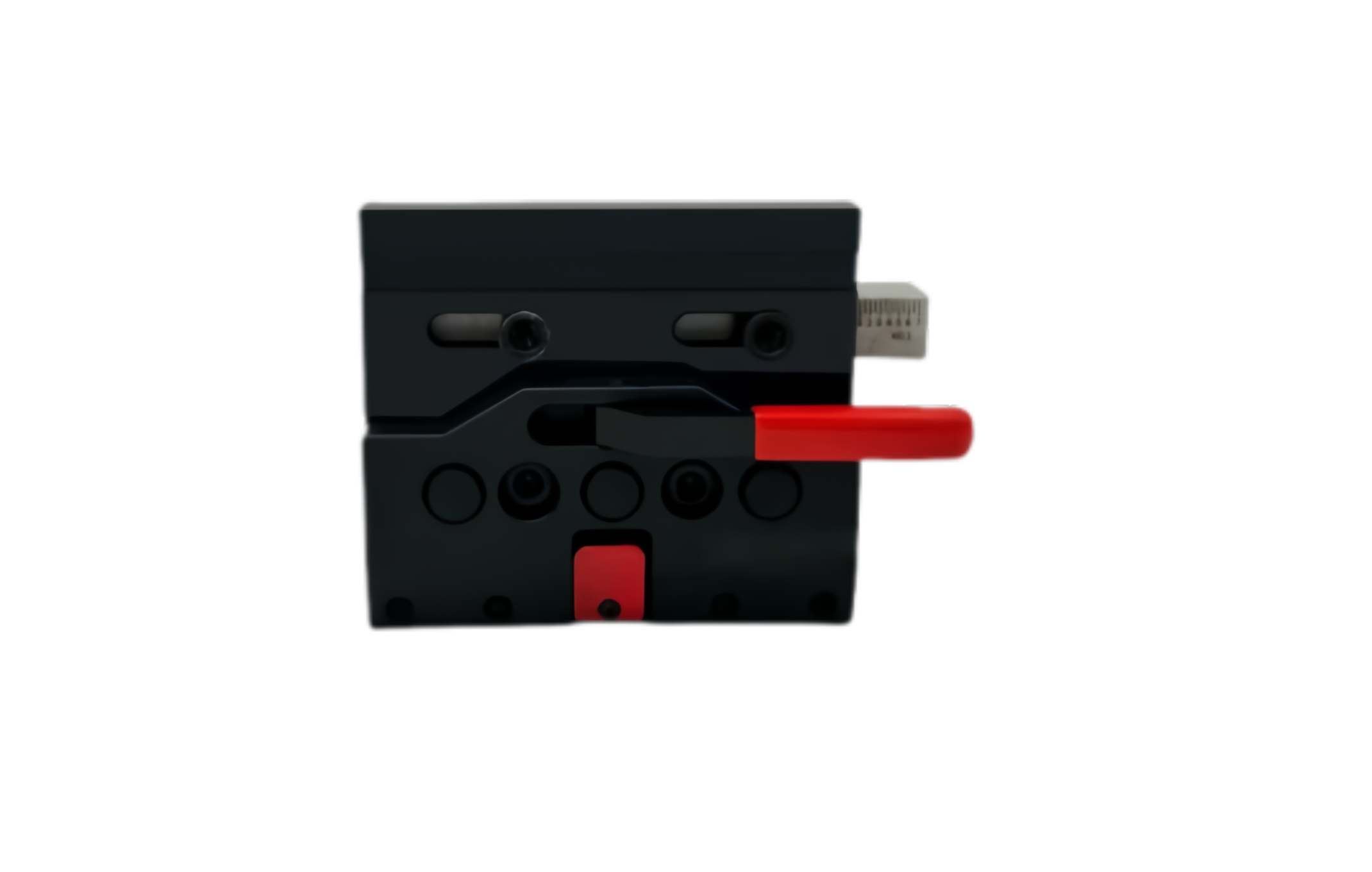
MIHARTING's ATC Ready Design: We ensure that every punch neck and tang is precision-milled to allow the ATC grippers to engage without friction or jamming.
Load Bearing Capacity:
Standard AFH Punches: Up to 100 Ton/Meter
Heavy Duty Series: Up to 250 Ton/Meter
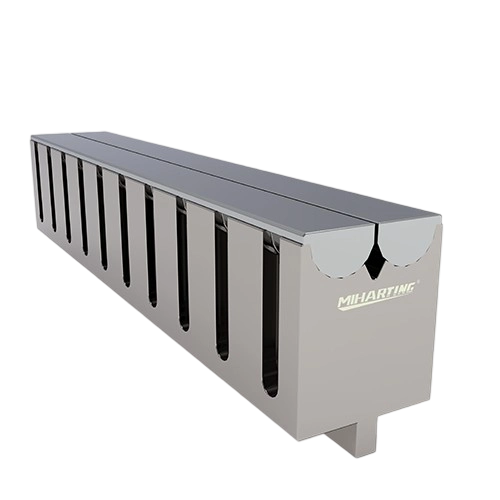
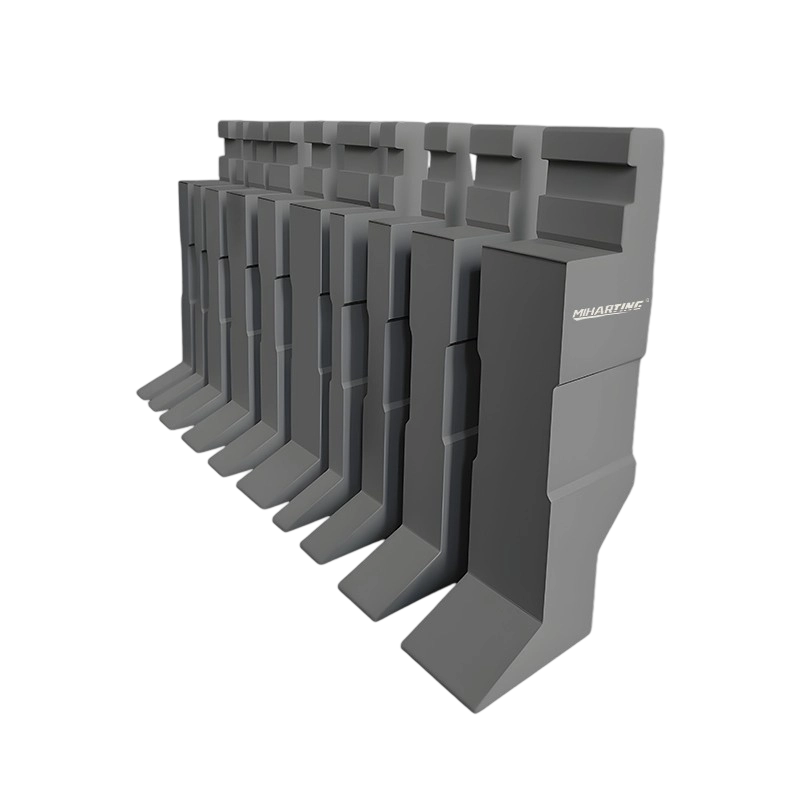
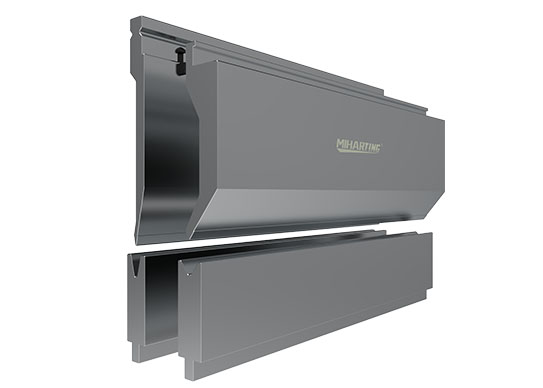
A key feature of MIHARTING’s AFH range is our Standard Sectionalization. This allows for the bending of complex 5-sided boxes without the need for custom-width tools.
Our Typical 835mm Sectionalized Set includes:
10mm, 15mm, 20mm, 40mm, 50mm, 100mm, 200mm, and 300mm segments, plus 2 x 100mm “Ear” pieces for return flange clearance.
To maintain the ±0.01mm height tolerance, MIHARTING recommends:
Cleaning the Tangs: Any dust between the tool and the ram will ruin the “Fixed Height” advantage.
Lubrication: Use a thin film of non-acidic oil to prevent oxidation on the ground surfaces.
Correct Clamping: Ensure your hydraulic clamps are delivering uniform pressure across the entire tool length.
Choosing MIHARTING's China press brake tooling means investing in the future of your shop’s efficiency. By combining the legendary AFH geometry with MIHARTING's superior 42CrMo heat treatment, we provide a tool that doesn’t just fit—it performs.
 How to Choose Rolla V Tooling for a European Press BrakeJune 29, 2026Discover how Rolla V Tooling helps European sheet metal manufacturers reduce bending marks, lower setup time and improve press brake productivity.view
 Press Brake Tooling Maintenance: How to Extend Tool LifeJune 8, 2026Learn practical press brake tooling maintenance tips to extend tool life, reduce bending defects, improve accuracy, and lower tooling replacement costs.view
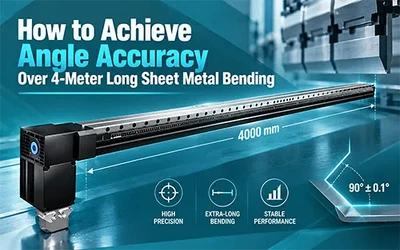 How to Achieve Angle Accuracy Over 4-Meter Long Sheet Metal BendingSeptember 15, 2026Learn why 4-meter sheet metal bends develop open angles in the center and how CNC mechanical crowning, precision tooling and correct setup improve full-length angle accuracyview
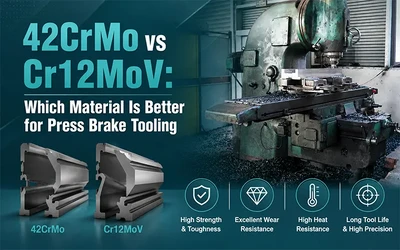 42CrMo vs Cr12MoV: Which Material Is Better for Press Brake Tooling?September 2, 2026For press brake punches and dies, the right material needs to balance hardness, toughness, wear resistance and application requirements. A material that performs well in high-volume production may be unnecessary for a general sheet metal workshop.view
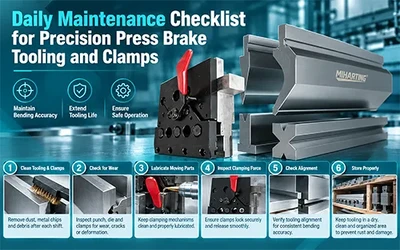 Daily Maintenance Checklist for Precision Press Brake Tooling and ClampsSeptember 29, 2026Precision tooling cannot maintain accurate bends if dirt, rust, wear, or loose components are ignored. A simple daily checklist helps you protect your tooling, clamps, bending accuracy, and production stability.view
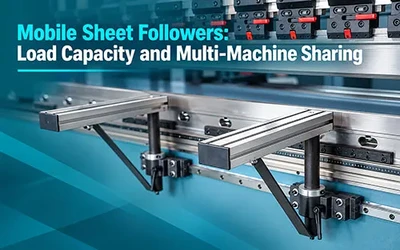 Mobile Sheet Followers: Load Capacity and Multi-Machine SharingOctober 27, 2026A mobile sheet follower can support large panels on multiple press brakes, provided each machine is compatible. To choose the right system, check actual load conditions, machine connections, and chang...view