EN
EN

For many European sheet metal manufacturers, major pain points include frequent tool changes, visible bending marks on stainless steel surfaces, and inconsistent bending angles.
Rolla V Tooling is specifically designed to address these issues. By utilizing rolling contact at the die opening to support the material during the bending process, it reduces friction, minimizes surface marking, improves material flow, and stabilizes the forming process.
For European workshops serving sectors such as machinery, elevators, HVAC, electrical cabinets, kitchen equipment, construction, transportation, and contract manufacturing, this enables the production of higher-quality components with less need for rework.
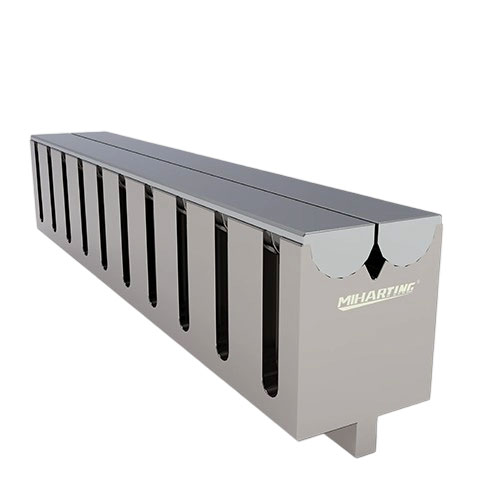
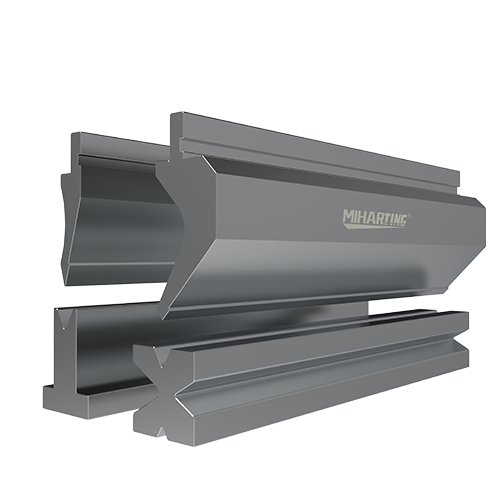
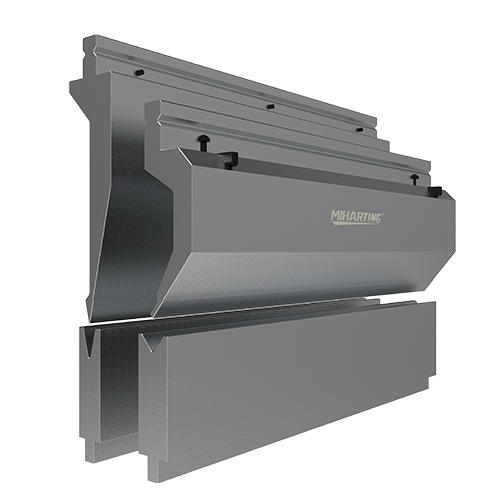
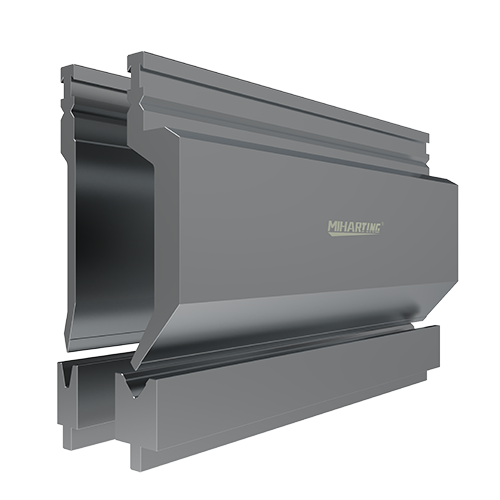
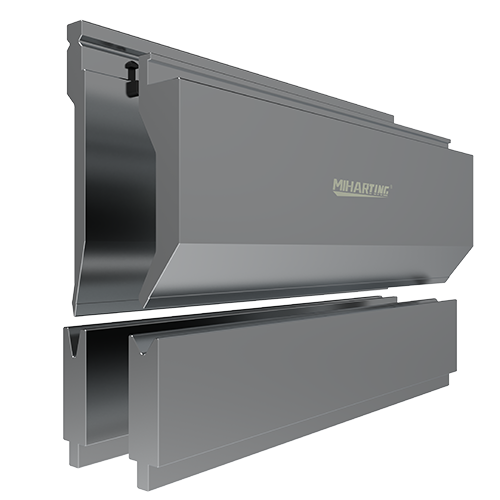
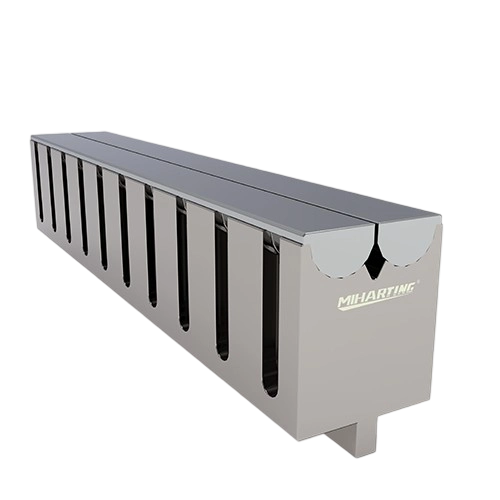
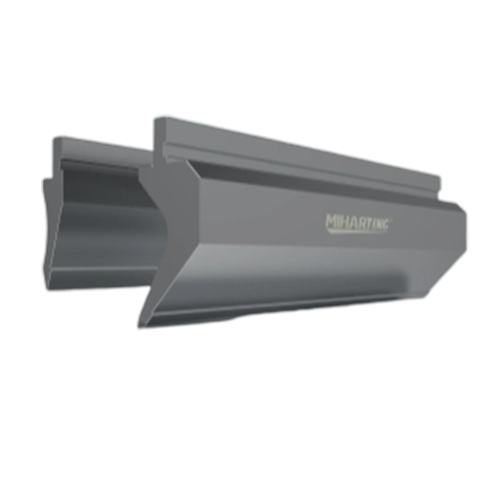
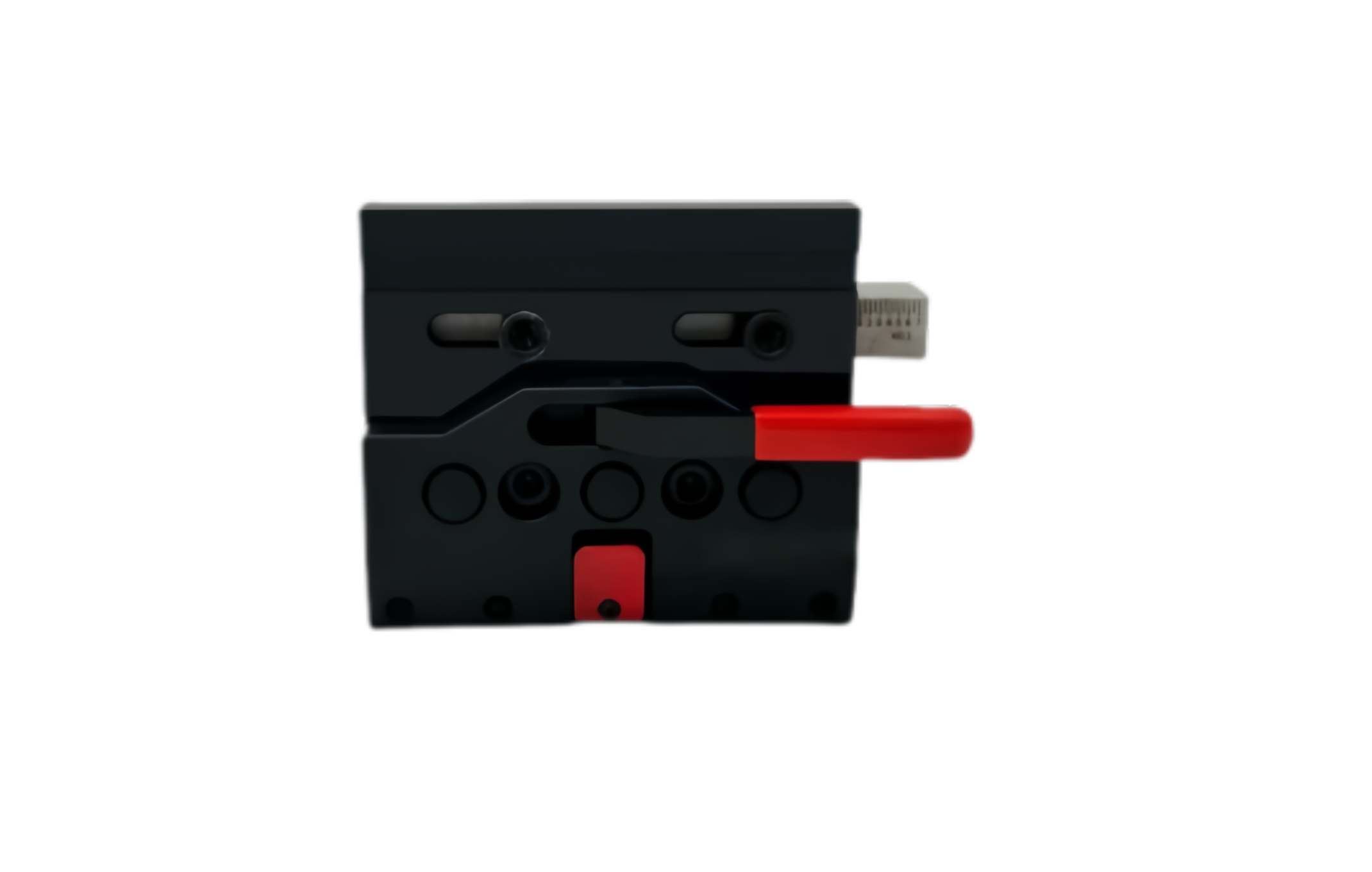
Rolla V Tooling is a type of press brake bottom tooling that uses a roller-based V opening. During bending, the sheet moves over rotating or low-friction contact surfaces instead of sliding heavily across sharp die shoulders. This helps reduce drag between the material and the die.
In conventional air bending, the sheet metal contacts the two shoulders of the V die. As the punch pushes down, the material slides against these shoulders. On common mild steel this may be acceptable, but on brushed stainless steel, aluminium, pre-painted sheet or coated material, the sliding contact can leave visible marks.
Rolla V tooling changes the contact behaviour. The sheet is supported while friction is reduced. This makes it especially useful when the final surface appearance matters.
European customers often have strict surface requirements. A part may be dimensionally correct but still rejected because the outside surface has scratches, pressure marks or coating damage.
This is common in:
Stainless steel kitchen and food equipment
Elevator panels
Architectural cladding
Electrical enclosures
Aluminium covers
Painted or film-coated sheets
Rolla V Tooling helps reduce these marks because the material rolls more smoothly during forming. In many cases, it can reduce the need for protective film, manual polishing or secondary rework.
Many European fabricators run high-mix, low-volume production. Today’s job may be 1.5 mm stainless steel, the next job 3 mm aluminium, then 5 mm mild steel. Every tool change, adjustment and test bend takes time.
A good Rolla V tooling system can help stabilise the bending process and reduce trial-and-error. When combined with proper tool segmentation, CNC crowning and accurate press brake settings, it supports faster setup and more repeatable production.
For subcontractors, this matters because profit is often lost between jobs, not during the actual bend.
European manufacturers face increasing labour costs and a shortage of experienced press brake operators. A highly skilled operator can compensate for tooling limitations, but relying too much on personal experience creates risk.
Rolla V Tooling can make the process easier to control by reducing friction-related variation. This helps less experienced operators achieve cleaner results with fewer rejected parts. It does not replace training, but it makes the bending process more forgiving.
A scratched visible panel is not just a technical issue. It can delay delivery, damage customer trust and reduce margin. Rework also consumes capacity that should be used for new orders.
For manufacturers supplying European OEMs, repeatability is critical. Rolla V Tooling helps reduce one common cause of rejection: surface damage during bending. Cleaner bends mean fewer claims and a more predictable production flow.
The main advantage of Rolla V Tooling is reduced friction between the sheet and the die. This can bring several practical benefits.
First, it helps protect sensitive surfaces. Materials such as stainless steel, aluminium and pre-coated sheets are less likely to be dragged across fixed die shoulders.
Second, it can reduce the required bending force in some applications because the material moves more freely during forming. Actual force depends on material type, thickness, V opening, bend length and angle, but reduced friction can support a smoother bending process.
Third, it can improve consistency. When friction is unstable, angle results may vary from part to part. By making contact more controlled, Rolla V tooling can help improve repeatability.
Fourth, it can reduce the need for protective consumables. Many shops use plastic film, paper, urethane pads or manual protection methods. These may still be needed for very sensitive surfaces, but Rolla V Tooling can reduce dependence on them.
Rolla V Tooling is especially suitable for visible or sensitive sheet metal parts. Typical applications include:
Brushed stainless steel panels
Aluminium sheet components
Pre-painted sheet metal
Film-coated materials
Decorative covers and housings
Elevator and architectural parts
Food machinery panels
Laboratory and medical equipment covers
Electrical cabinets and control boxes
HVAC visible panels
It is also useful for factories that frequently bend short batches and want to reduce setup time between different jobs.
Rolla V Tooling is not always necessary for every bending job. For rough structural parts, hidden brackets or simple mild steel components where surface marking is not important, standard V dies may be more economical.
The best approach is not to replace every die in the workshop. A smart tooling plan uses Rolla V Tooling where it creates measurable value: visible parts, expensive materials, coated sheets, repeated quality complaints or jobs with high rework cost.
Before selecting Rolla V Tooling, a buyer should check several technical points.
Confirm the press brake clamping system, tool height, working length and load capacity. European workshops may use different machine brands and tooling standards, so compatibility should be checked before purchase.
List the materials you bend most often: stainless steel, mild steel, aluminium, galvanized steel or coated sheet. Include typical thicknesses and maximum bending length.
The V opening must match the material thickness, required inside radius and bending method. A wrong V opening can cause poor angles, excessive force or part deformation.
Define the acceptable surface quality. For brushed stainless steel or visible aluminium parts, the tooling choice should be based not only on angle accuracy but also on surface protection.
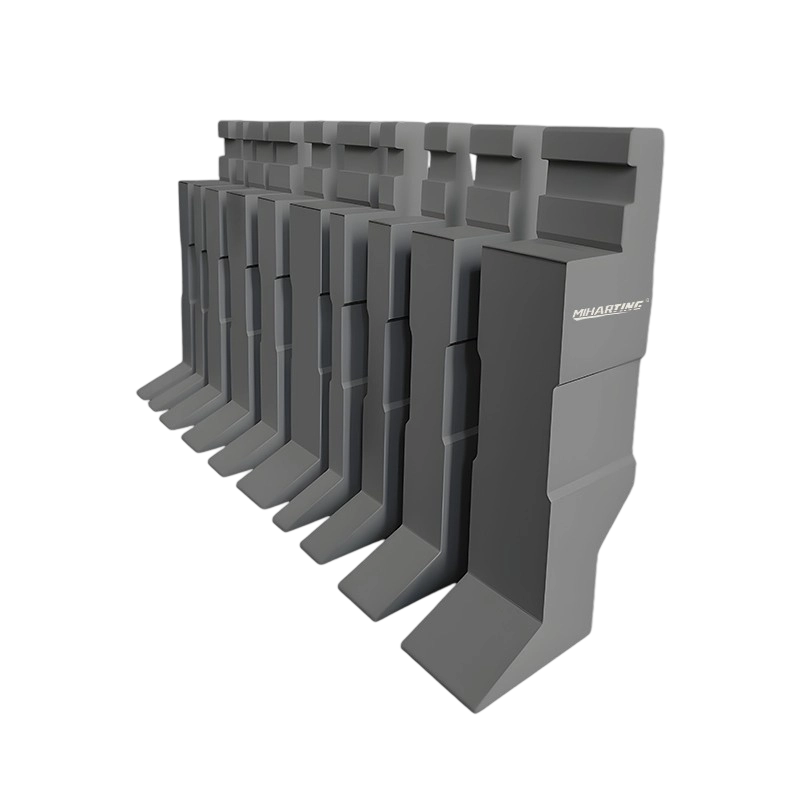
Segmented tooling is helpful for boxes, trays and parts with return flanges. For European subcontractors handling many different part sizes, segmentation improves flexibility.
Good tooling should have accurate geometry, stable hardness and consistent finishing. Low-quality tooling may look cheaper at first, but it can create angle problems, surface defects and shorter service life.
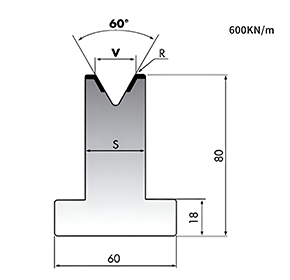
Before ordering Rolla V tooling, confirm that the proposed die can be installed on the existing press brake and can support the required bending load. The most important inputs are the lower die interface, available die height, working length, material thickness range, bend radius and the maximum tonnage required for the job.
For mixed production, also confirm whether segmented Rolla V press brake tooling is needed for boxes, return flanges or short parts. Surface requirements should be defined clearly because the main value of the rolling V design is reducing sliding contact on stainless steel, aluminum, coated sheet and other visible materials.
The tooling should be reviewed together with the machine’s press brake clamping arrangement and the rest of the bending setup. Buyers who need a commercial die specification or quotation can compare available Rolla V dies and provide drawings for a matched recommendation.
Many workshops use protective film or urethane pads to prevent marks. These methods can work, but they also bring costs.
Protective film may slow down production and can be damaged during bending. Urethane pads are useful but wear over time and may affect bending consistency. Manual protection also increases operator workload.
Rolla V Tooling offers a more integrated solution. It reduces the cause of marking at the die contact point instead of only adding a protective layer. In many workshops, the best result may come from combining Rolla V Tooling with protective film only for the most demanding visible surfaces.
The return on investment of Rolla V Tooling should be measured beyond the tool purchase price. Key business benefits include:
Less visible marking on finished parts
Lower rework and polishing cost
Reduced scrap on expensive stainless steel or aluminium
Faster setup for mixed production
Better repeatability between operators
More stable quality for OEM customers
Improved delivery reliability
Higher confidence when quoting visible sheet metal parts
For companies competing in Europe, quality and delivery are often more important than the lowest bending cost per stroke. Tooling that reduces uncertainty can help protect both margin and reputation.
Before buying Rolla V Tooling, prepare the following information:
Press brake brand and model
Clamping type and tooling standard
Maximum bending length
Material types and thickness range
Required bend angles
Required inside radius
Surface finish requirements
Typical batch size
Drawings or sample parts
Main quality problems you want to solve
With this information, a tooling supplier can recommend a more accurate solution instead of offering a generic die.
Rolla V Tooling is a practical solution for European sheet metal manufacturers that need cleaner bending, fewer surface marks and more stable production. It is especially valuable for stainless steel, aluminium, painted sheet and visible parts where traditional V dies often create scratches or pressure marks.
For workshops facing high labour costs, small batch production and strict customer quality requirements, the right tooling can make a major difference. Rolla V Tooling does not simply improve the bend; it improves the whole workflow around the press brake, from setup to inspection to final delivery.
A well-selected Rolla V die can help your factory reduce rework, protect material surfaces and produce higher-value parts with greater confidence.
Q1: What is Rolla V Tooling used for?
Rolla V Tooling is used on press brakes to reduce friction and surface marks during sheet metal bending, especially for stainless steel, aluminium and coated materials.
Q2: Can Rolla V Tooling reduce bending marks?
Yes. Its rolling contact design helps reduce sliding friction at the die shoulders, which can lower the risk of scratches and pressure marks.
Q3: Is Rolla V Tooling suitable for European press brakes?
Yes, but the tooling standard, clamping system, height and load capacity should be confirmed before ordering.
Q4: Which materials benefit most from Rolla V Tooling?
Brushed stainless steel, aluminium, pre-painted sheet, galvanized sheet and visible decorative panels usually benefit most.
Q5: Does Rolla V Tooling replace all standard V dies?
No. Standard V dies are still suitable for many general bending jobs. Rolla V Tooling is best used where surface quality, rework reduction and repeatability matter most.
 Centralized vs Machine-Side Tool Storage Cabinets: Which Cuts Press Brake Setup Time Faster?September 14, 2026Machine-side tool storage cabinets usually reduce press brake setup time faster in high-mix manufacturing environments because operators can access frequently used punches, dies, and accessories direc...view
 Double-Sided Clamps: The Smarter Way to Expand Press Brake Bending FlexibilityJune 23, 2026Discover how FAST double-sided clamps help press brake users achieve front and rear tool clamping, faster setup, safer operation, and lower tooling costs.view
 How Amada AFH Tooling Revolutionizes Setup Times in Precision Sheet Metal BendingApril 22, 2026In a world of “Just-in-Time” manufacturing, the longest part of the bending process is no longer the bend itself—it’s the setup. Amada AFH (Amada Fixed Height) tooling was designed to solve this. ...view
 Benefits of Miharting Bending ToolsJanuary 8, 2026Miharting Bending Tools have become a cornerstone in the realm of metal forming, prominently used in various industries for tasks such as sheet metal bending tools. They offer a balance of precision a...view
 How to Choose a Press Brake Sheet Follower for Your WorkshopOctober 9, 2026Large panels can become difficult to support as they rise during bending. Choose a press brake sheet follower around your parts, load distribution, working height, and machine compatibility.view
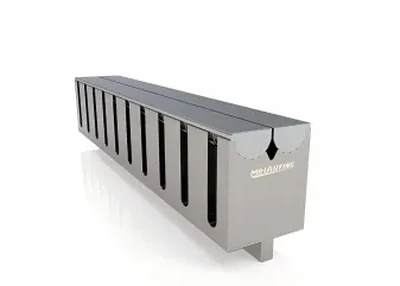 Rolla-V Tooling: The Ultimate Solution for Mark-Free Bending and Short Flange ChallengesApril 22, 2026In the traditional air bending process, the sheet metal slides over the shoulders of a static V-die. This movement creates friction, resulting in “die marks” or “witness marks” on the underside of...view