EN
EN

100% Electric Drive: No hydraulic pump, oil or conventional hydraulic maintenance
High-Precision Servo Motion: Fast response and repeatable ram positioning
Lower Operating Costs: Reduced energy use and fewer hydraulic maintenance requirements
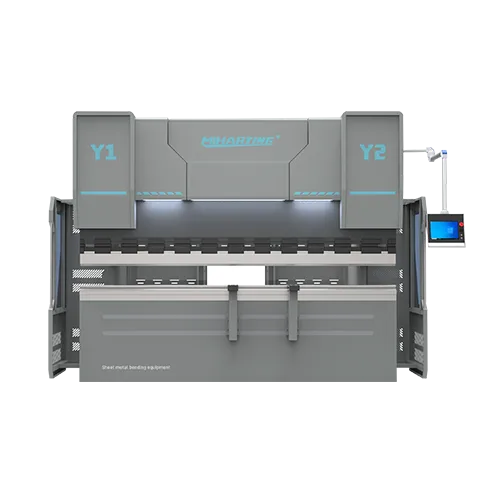
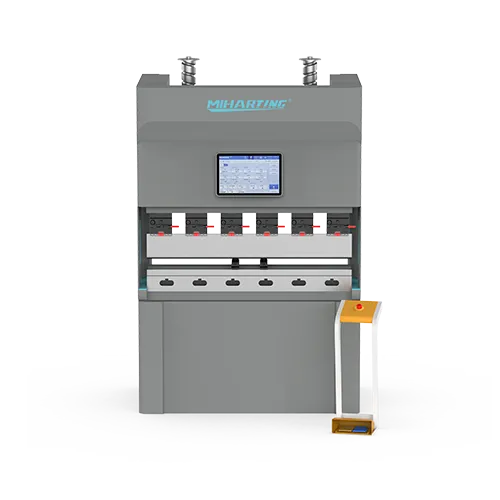
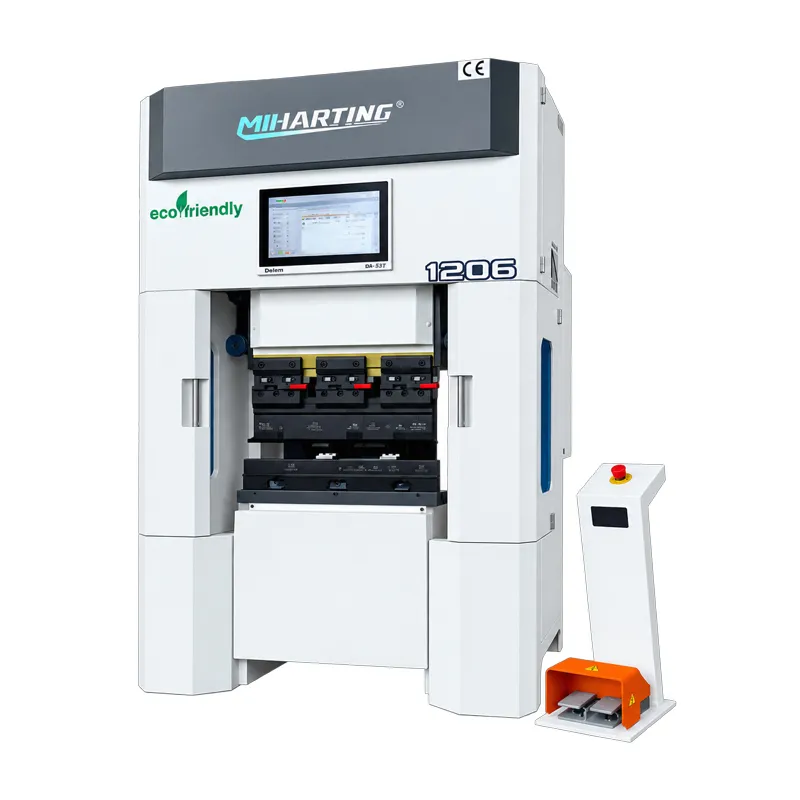
If your factory is dealing with high energy consumption, hydraulic oil maintenance, noise or frequent production changes, an all electric press brake offers a different approach to sheet metal bending.
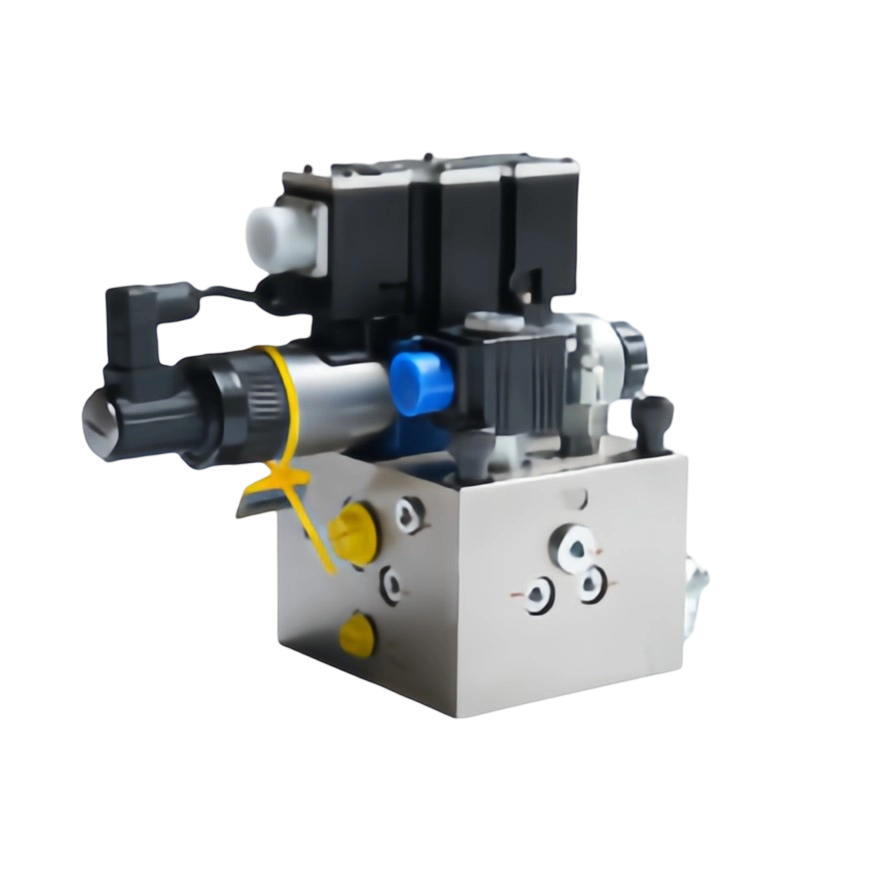
No Hydraulic Oil: The electric drive system eliminates the conventional hydraulic circuit, removing hydraulic oil, pumps, filters and many hydraulic maintenance tasks.
Lower Energy Consumption: Servo motors deliver power according to the machine's operating requirements rather than continuously driving a hydraulic pump, helping reduce energy consumption during production.
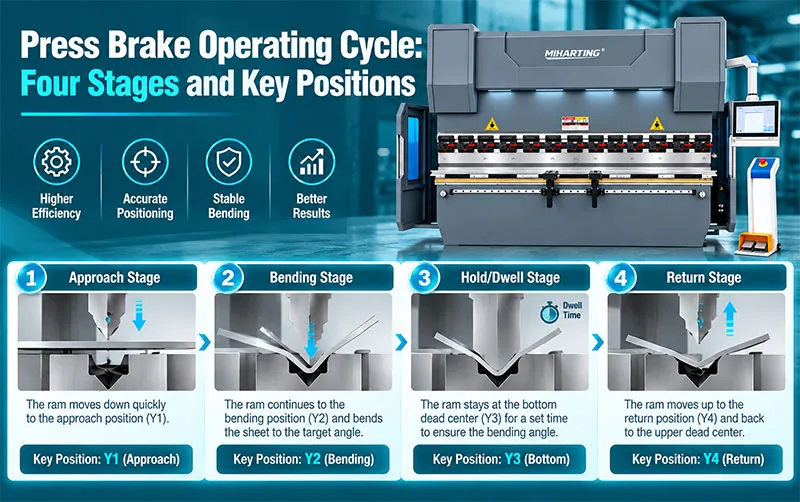
Faster Servo Response: Direct servo-driven motion enables rapid response during approach, bending and return movements, helping reduce cycle time in repetitive production.
Lower Maintenance: Bending force depends on material strength, thickness, bending length, bottom die opening size, and the bending method.
Cleaner & Quieter Operation: The oil-free electric drive system supports a cleaner working environment and quieter operation compared with conventional hydraulic systems.
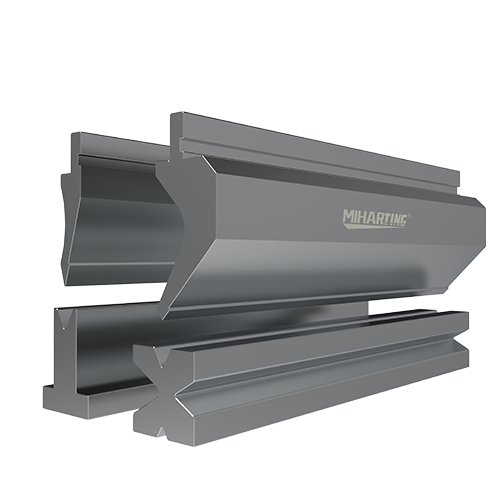
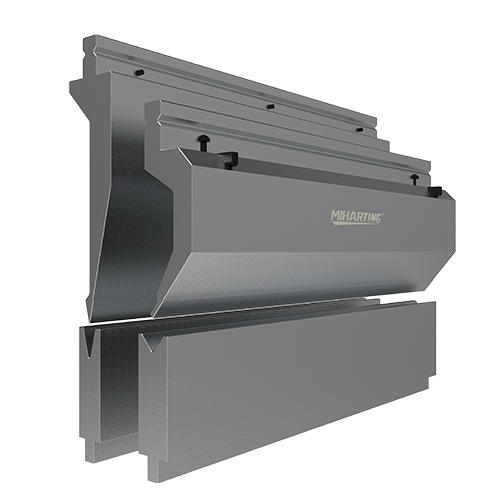
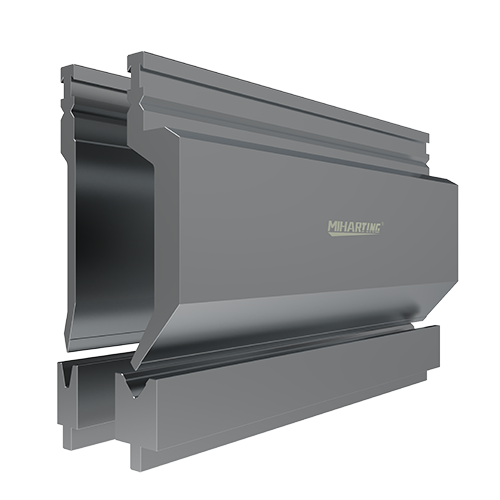
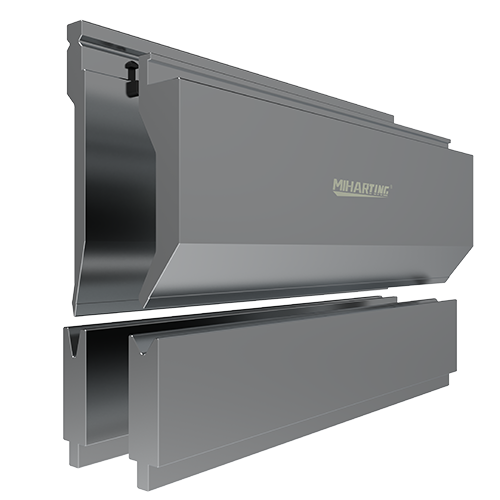
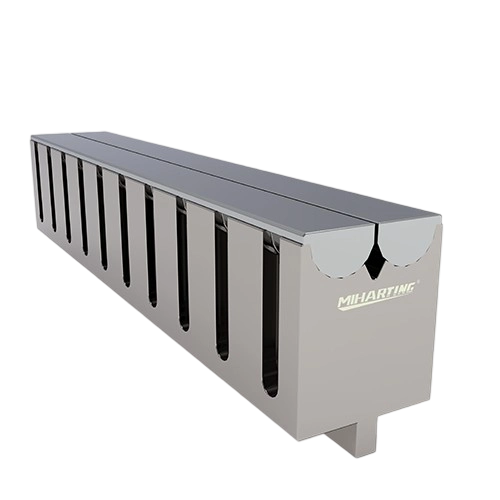
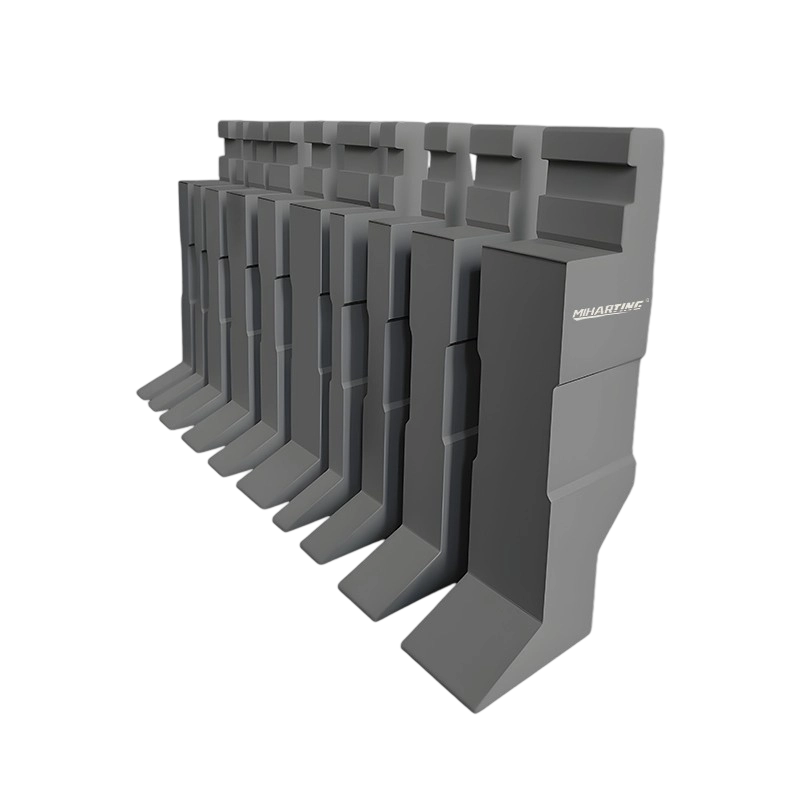
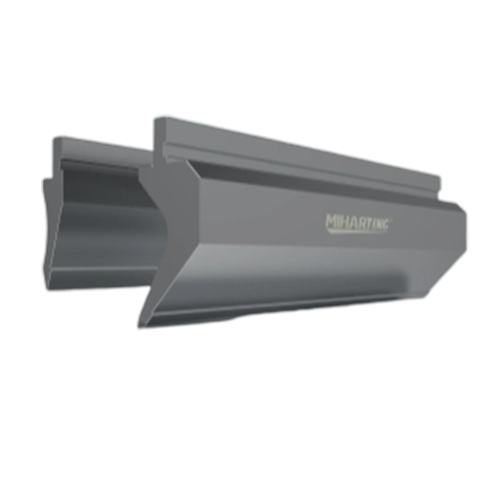
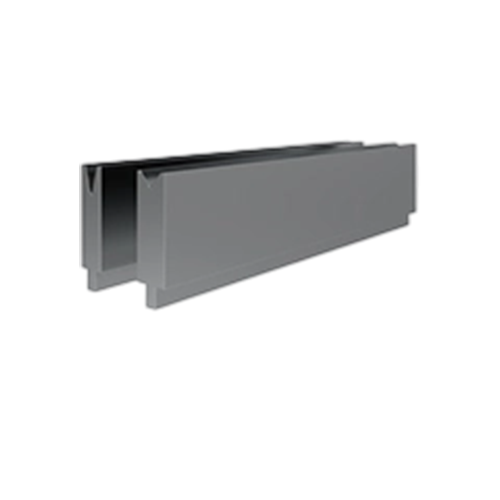
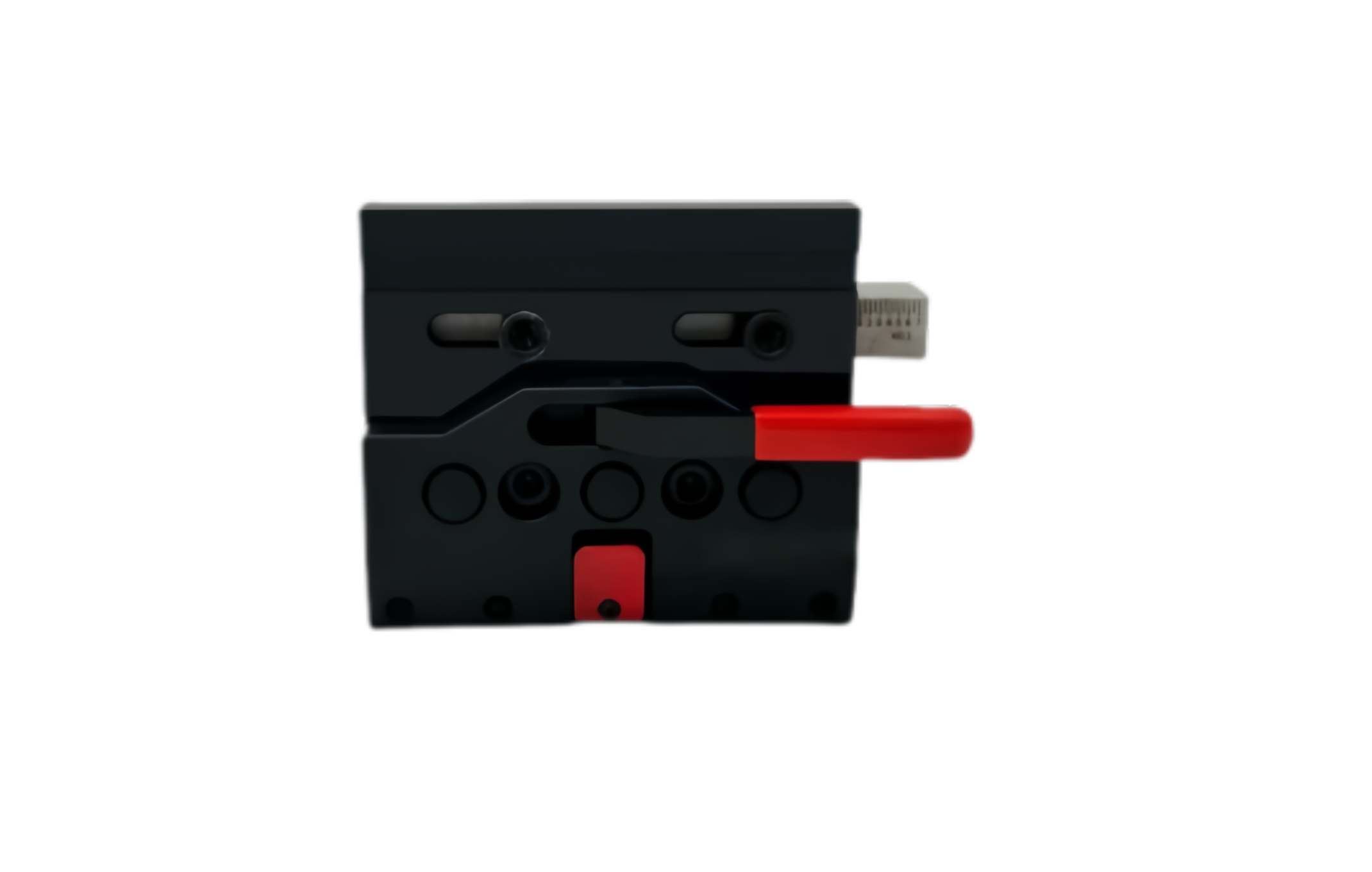
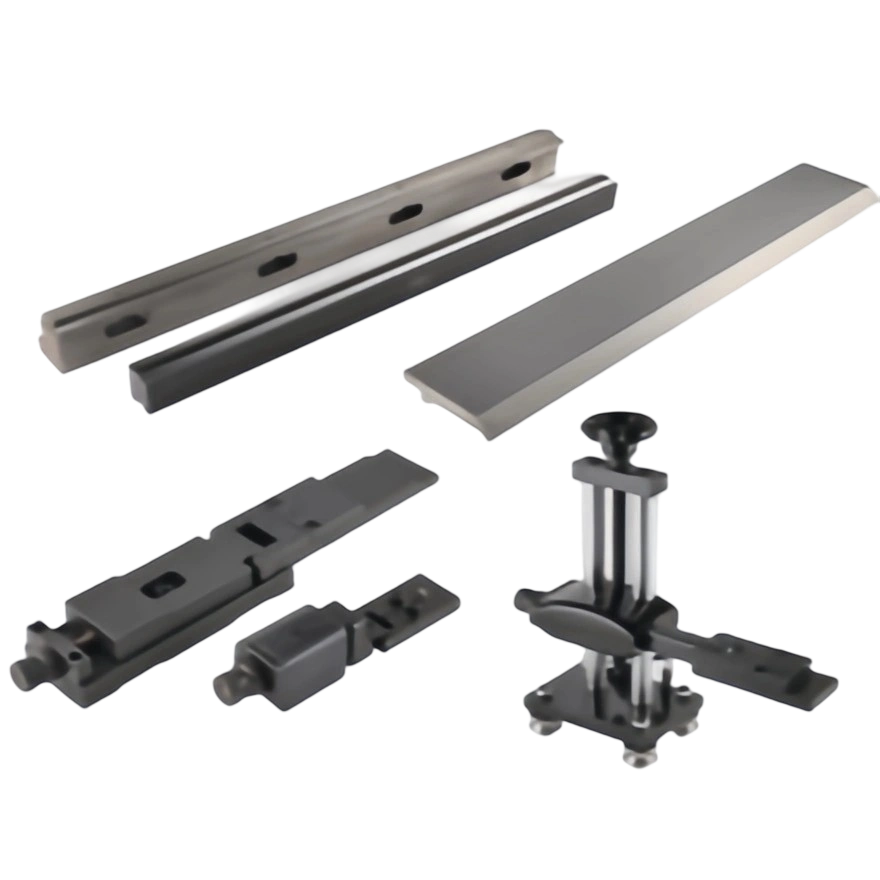
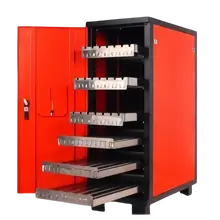
Miharting can provide the appropriate upper tools, lower tools, and clamping systems to match your press brake.

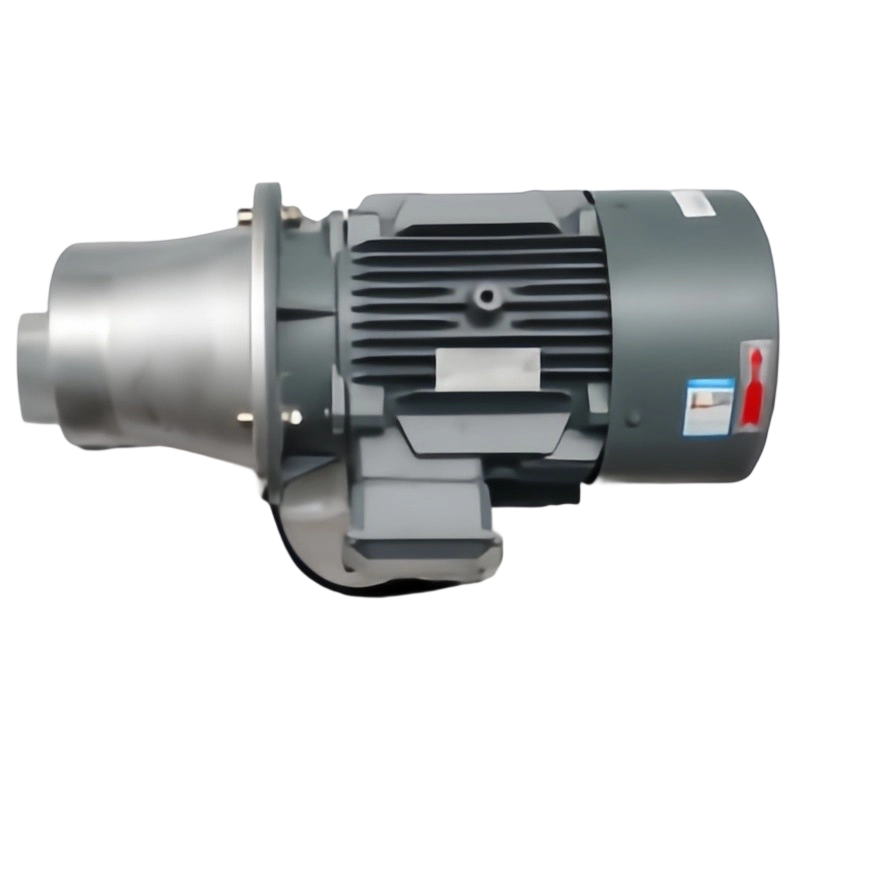
Servo motors provide power according to the machine's actual movement requirements, helping reduce unnecessary energy consumption during production.

The all-electric design eliminates conventional hydraulic oil, pumps and hydraulic filters, reducing maintenance requirements and the risk of oil leakage.

Servo-driven motion and precision mechanical transmission support accurate ram and backgauge positioning for repeatable bending.

Rapid servo response helps shorten approach and return movements, making the machine suitable for repetitive sheet metal production.