EN
EN

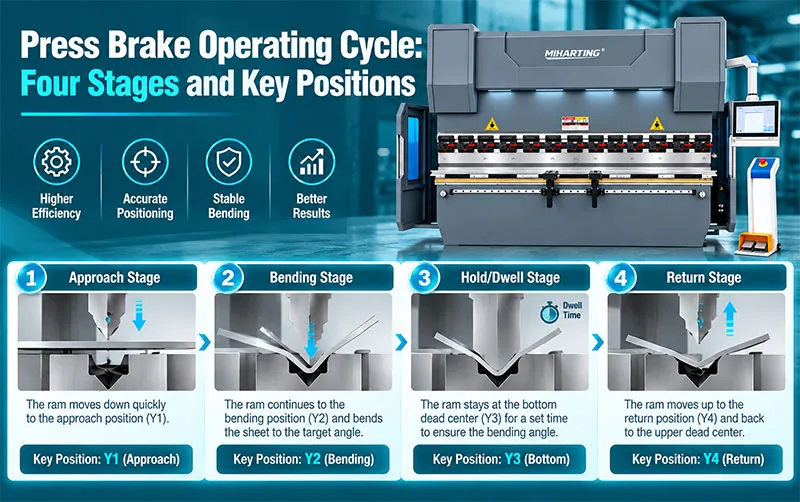
You need to understand the press brake operating cycle before diagnosing slow production or inconsistent bends. This guide explains four stages and the positions that connect them.
During rapid approach, your upper beam moves toward the sheet before forming begins. Its purpose is to shorten travel time.
You should distinguish approach speed from bending speed when comparing machine specifications. A fast approach figure does not tell you how quickly the machine forms your actual part.
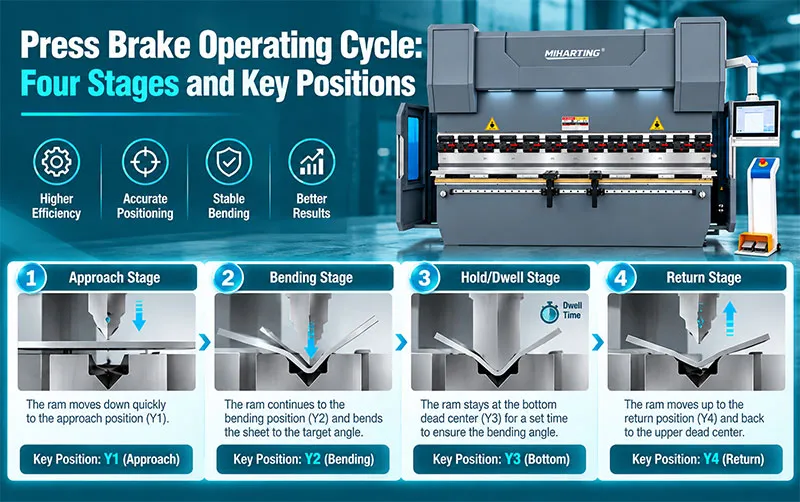
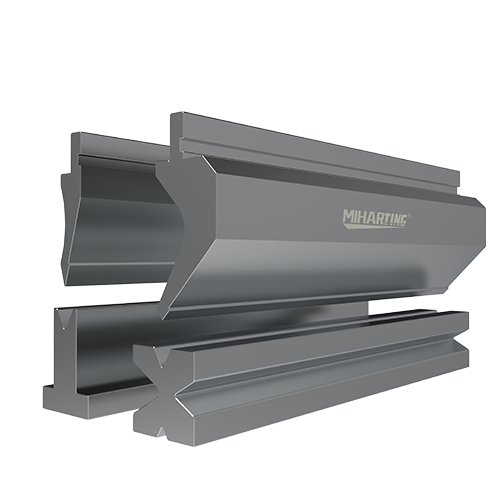
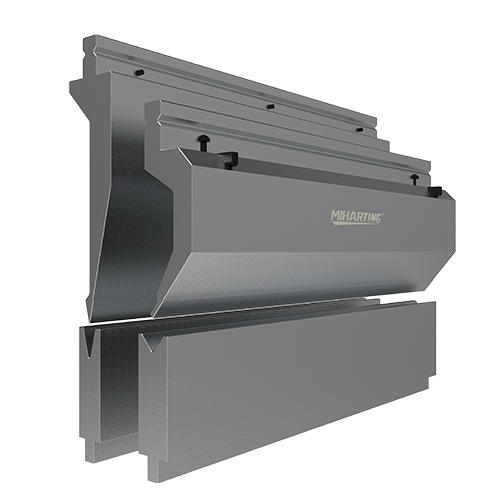
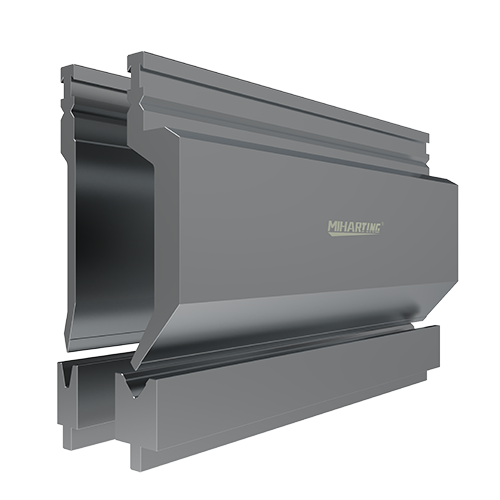
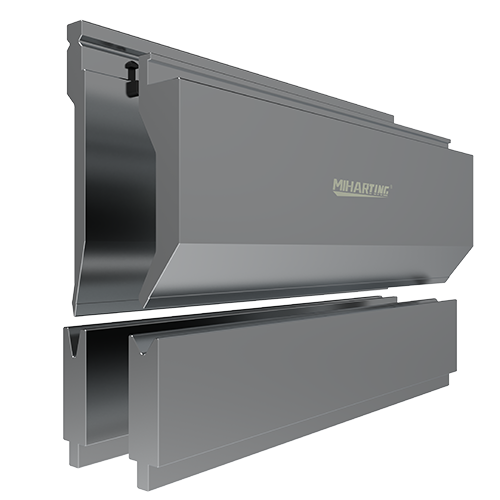
At the programmed transition, your machine enters its controlled forming stage. The ram position, material properties, and press brake tooling together influence the resulting angle.
After forming, a hydraulic machine releases pressure before returning upward. You may see a decompression pause, which helps control the release of stored energy. Electric machines use different drive arrangements.
Your top position defines the opening available for loading and removal. The bottom position defines the programmed forming endpoint.
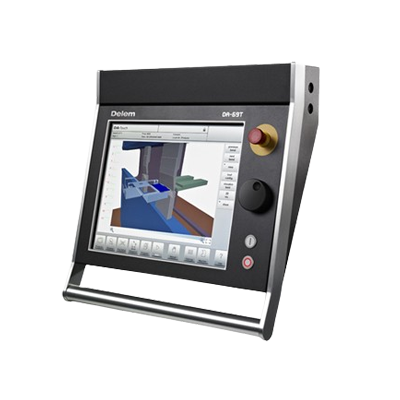
The contact position identifies where the punch reaches the sheet. The speed change point identifies the transition from approach to controlled bending. You should use your controller manual because terminology varies between manufacturers.
Your sheet follower must track sheet rotation during forming. An angle measurement system needs a suitable measurement window.
A laser safeguard uses validated stopping and transition logic. You cannot judge the safety of a speed setting from the speed figure alone. Ask your integrator to review the complete machine sequence.
Check whether your opening travel is larger than the part requires. Then review handling time, tool changes, measurement pauses, and decompression settings.
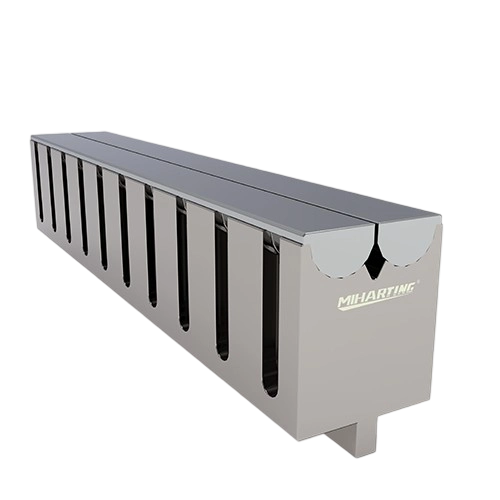
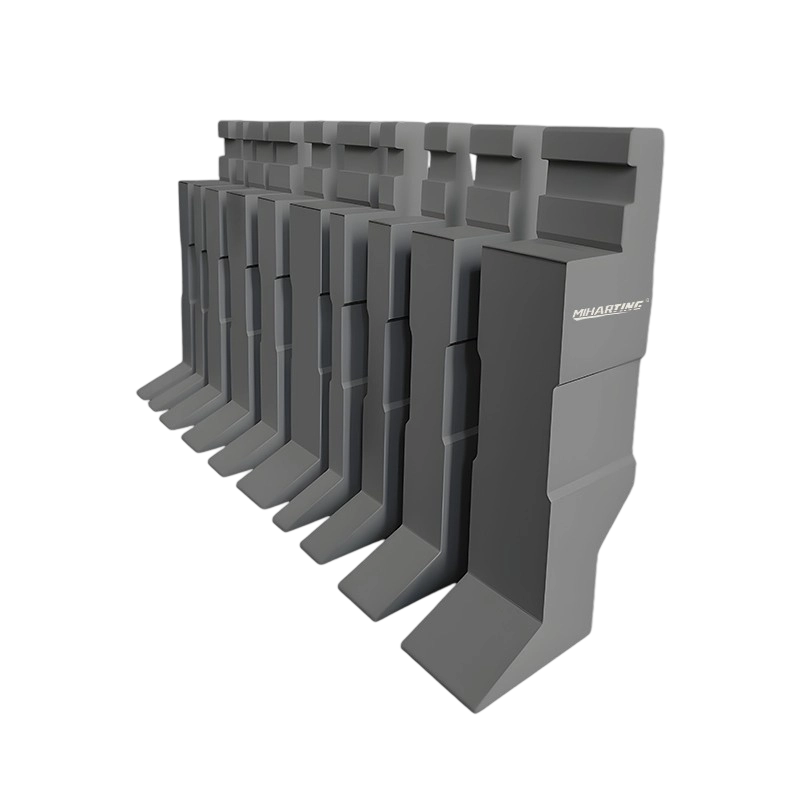
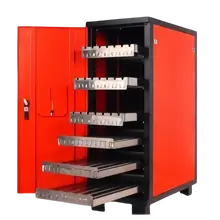
You should identify the longest stage before buying an accessory. A follower addresses sheet handling, while a tool storage system addresses changeovers. Neither automatically removes every production delay.
Send MIHARTING Tooling your machine model, controller details, and a cycle video. You can identify the main delay and discuss accessories that fit your production needs.
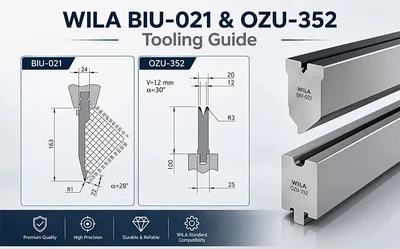 WILA BIU-021 & OZU-352 Tooling Guide: A Reliable Combination for Versatile Sheet Metal BendingJuly 6, 2026Discover why WILA BIU-021 upper tool and OZU-352 lower die are a reliable press brake tooling combination for accurate, durable, and versatile sheet metal bending.view
 Golden Rules of Press Brake OperationJanuary 8, 2026Operating a press brake efficiently and safely requires expertise, vigilance, and adherence to best practices. As essential machinery in the realm of sheet metal fabrication, press brakes shape and fo...view
 Understanding EN 12622: How CE-Compliant Press Brakes Protect European OperatorsSeptember 14, 2026Understand EN 12622 press brake safety requirements, including laser protection, guarding, emergency stops and safety controls, and what European buyers should check for CE compliance.view
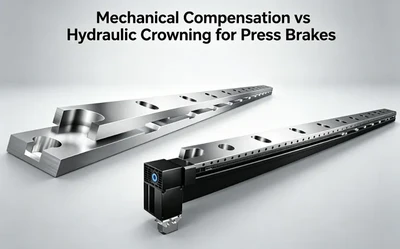 Mechanical Compensation vs Hydraulic Crowning for Press BrakesJune 11, 2026This article provides a detailed comparison of the differences, advantages, and application scenarios of mechanical, hydraulic, electric, and WILA crowning systems for press brakes, helping customers select the right system for their needs.viewWhy Global Fabricators are Shifting to High-End China Press Brake Tooling: Quality vs. Cost AnalysisApril 22, 2026For decades, the global metal fabrication industry looked to Europe and Japan for precision. However, the last five years have seen a tectonic shift. China press brake tooling, led by specialized manu...view
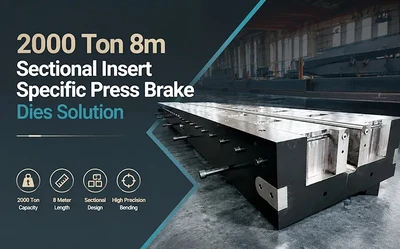 2000 Ton 8m Sectional Insert Specific Press Brake Dies SolutionJuly 20, 2026High-performance 2000 ton 8m sectional insert specific press brake dies for bending max 50mm thick 8m metal sheets. Manual & electric adjustable lower dies with 42CrMo material, low friction rotary round bar, fast V-opening adjustment for mass heavy plate processing.view