EN
EN

In 2026, sheet metal manufacturers across fabrication shops, electrical cabinet factories, HVAC duct producers, elevator panel manufacturers, and automotive component suppliers are facing a convergence of pressures that makes manual bending positioning increasingly unsustainable as a production strategy: rising labor costs that increase the cost of every operator-hour spent on manual measuring and marking, tighter delivery deadlines that leave no room for the setup time that manual positioning consumes, and higher accuracy requirements from customers who expect consistent, repeatable parts across every batch and every shift. In this environment, the press brake backgauge — the positioning system that automatically locates sheet metal before each bend — has moved from a convenience accessory to a core productivity investment that directly determines whether a bending operation can compete on speed, accuracy, and cost.
A modern CNC backgauge system eliminates the manual measuring, marking, trial bending, and repositioning that consume operator time and introduce variability into every bending sequence. By automatically positioning stop fingers to the programmed location for each bend, a CNC backgauge converts the bending process from an operator-skill-dependent activity into a programmed, repeatable production sequence — reducing setup time, eliminating positioning errors, supporting complex multi-bend parts, and improving machine utilization across every shift. For buyers searching for a press brake back gauge for sale, Miharting offers precision press brake backgauges with ball screws, linear guides, multi-axis control flexibility, HIWIN components, micron-level positioning accuracy, high-speed rapid positioning, anti-collision design, and CNC integration support — providing the mechanical precision and control capability that modern sheet metal production demands.
This guide covers the complete picture for fabrication shop managers, production engineers, and equipment procurement teams: why manual positioning limits press brake productivity, what a CNC backgauge system is and how it functions, how multi-axis positioning improves bending speed and accuracy for complex parts, how to evaluate backgauge components and specifications before upgrading, and what maintenance practices protect backgauge performance through the system's service life.
The commercial case for investing in a press brake backgauge upgrade starts with an honest assessment of the hidden productivity cost that manual positioning creates in bending operations — and why this cost increases as labor rates rise, delivery windows tighten, and customer accuracy requirements become more demanding.
Manual measuring and marking time is the most immediately visible productivity cost of manual positioning — but it is also the cost that is most consistently underestimated because it is distributed across every bend in every batch rather than appearing as a single identifiable cost item. In a typical manual bending operation, the operator must measure the bend line position, mark the sheet, align the sheet against a manual stop or reference, perform a trial bend, measure the result, adjust the stop position, and repeat until the bend location is correct. For a simple single-bend part, this process may consume two to five minutes of setup time. For a complex part with five or six bends at different positions, the cumulative setup time can exceed fifteen to twenty minutes — time that is paid at the full operator labor rate and produces no output.
Operator-dependent variability is the accuracy cost of manual positioning that creates the scrap, rework, and customer complaint consequences that are most commercially damaging. When bending accuracy depends on the individual operator's measuring skill, marking precision, and positioning judgment, the results vary between operators, between shifts, and between batches — creating dimensional inconsistency that may not be detected until parts are assembled or inspected, at which point the rework or scrap cost is already incurred. In high-mix production environments where different operators run the same jobs on different shifts, operator-dependent variability is a systematic quality problem that cannot be solved by training alone — it requires a positioning system that removes the operator's manual judgment from the accuracy equation.
Setup time for repeat jobs is the productivity cost that compounds most significantly across a production schedule. In a manual bending operation, every time a job is set up — even a repeat job that has been run many times before — the operator must re-measure and re-establish the stop positions from scratch, because there is no programmed memory of the previous setup. In a CNC backgauge system, repeat jobs are recalled from the program library and the backgauge positions itself automatically — reducing repeat job setup from minutes to seconds and allowing the press brake to return to productive bending faster after every changeover.
Understanding what a CNC backgauge system is — and how its design and function differ from manual and motorized backgauge alternatives in ways that determine the productivity and accuracy improvement it delivers — is essential for procurement teams evaluating press brake backgauge upgrades.
A press brake backgauge is a positioning system installed behind the press brake tooling that uses stop fingers to accurately locate the sheet metal before bending. By controlling the distance between the stop fingers and the bending die, the system defines the flange length and ensures repeatable bends. Miharting explains that during bending, the CNC press brake back gauge stop fingers precisely position the sheet, and by adjusting the distance between the stop fingers and the bending die, the bent portion length can be accurately defined.
The critical distinction between a CNC backgauge system and a manual or motorized backgauge is the ability to store, recall, and automatically execute positioning programs for different parts and bend sequences — converting the bending process from an operator-skill-dependent activity into a programmed production sequence that delivers consistent results regardless of which operator is running the machine.
| Backgauge Type | Best Application | Production Value |
|---|---|---|
| Manual backgauge | Simple, low-volume bending | Low initial cost — limited productivity |
| Motorized backgauge | Basic productivity upgrade | Faster adjustment — limited automation |
| 2-axis CNC backgauge | Standard bending jobs | Good speed and repeatability |
| 4-axis CNC backgauge | Multi-bend and complex parts | Better positioning flexibility |
| 6-axis CNC backgauge | Advanced fabrication | Strong support for complex geometries |
| Retrofit CNC backgauge | Older press brakes | Extends machine productivity without full replacement |
The technical mechanism by which multi-axis CNC backgauge positioning eliminates manual measuring time, reduces operator error, and enables complex multi-bend parts to be completed in a single programmed sequence — and why each axis contributes a specific positioning capability that expands the range of parts the press brake can produce efficiently — is the core engineering knowledge that production engineers and procurement teams need to evaluate backgauge specifications for their specific production requirements.
A CNC backgauge system uses programmed motion axes to move stop fingers into the correct position for each bend in a sequence. Instead of manually measuring and marking each bend line, the operator places the sheet against the stop fingers — which are already in the programmed position — and performs the bend. The CNC controller then automatically repositions the stop fingers for the next bend in the sequence, allowing the operator to complete a multi-bend part by following the programmed sequence without any manual measuring or marking between bends.
| Axis | Function | Production Benefit |
|---|---|---|
| X-axis | Controls front-back positioning | Defines flange length and bend depth — the primary positioning axis |
| R-axis | Controls vertical height of stop fingers | Supports different die heights and part profiles without manual adjustment |
| Z1-axis | Controls left stop finger lateral movement | Enables positioning of asymmetric or narrow parts |
| Z2-axis | Controls right stop finger lateral movement | Supports complex multi-bend positioning with independent finger control |
| X1 / X2 axes | Independent front-back control of each finger | Enables tapered or non-parallel bend positioning |
Miharting's backgauge system is equipped with ball screws and linear guides for high operational precision and high speed, with premium HIWIN components, micron-level positioning accuracy, high-speed rapid positioning, robust anti-collision design, and CNC integration — providing the mechanical precision and control capability that multi-axis positioning requires.
The most effective way to improve press brake speed is to eliminate the manual activities that consume operator time between bends — measuring, marking, trial bending, and repositioning — by upgrading to a CNC backgauge system that automates the positioning function. The specific speed improvement mechanisms are:
Eliminating manual marking before every bend — the CNC backgauge positions the stop fingers automatically, removing the need for the operator to mark the sheet
Reducing trial-and-error positioning — programmed positions are accurate from the first bend, eliminating the trial bend and adjustment cycle
Shortening setup time for repeat jobs — repeat jobs are recalled from the program library and the backgauge positions itself automatically
Guiding operators through multi-bend sequences — the CNC controller steps through the bend sequence automatically, reducing the cognitive load on the operator and the risk of sequencing errors
Reducing scrap and rework — accurate positioning from the first bend reduces the scrap and rework that manual positioning errors create
Miharting notes that because stop fingers quickly and accurately position the sheet, the operator can reduce repeated measuring and adjustment time before each bend, helping speed up the process and improve production efficiency.
The selection of the right press brake backgauge for a specific production application requires systematic evaluation of the mechanical components, axis configuration, positioning accuracy, and CNC compatibility — and an understanding of how different backgauge specifications address different combinations of production requirements.
| Component | Function | Quality Indicator |
|---|---|---|
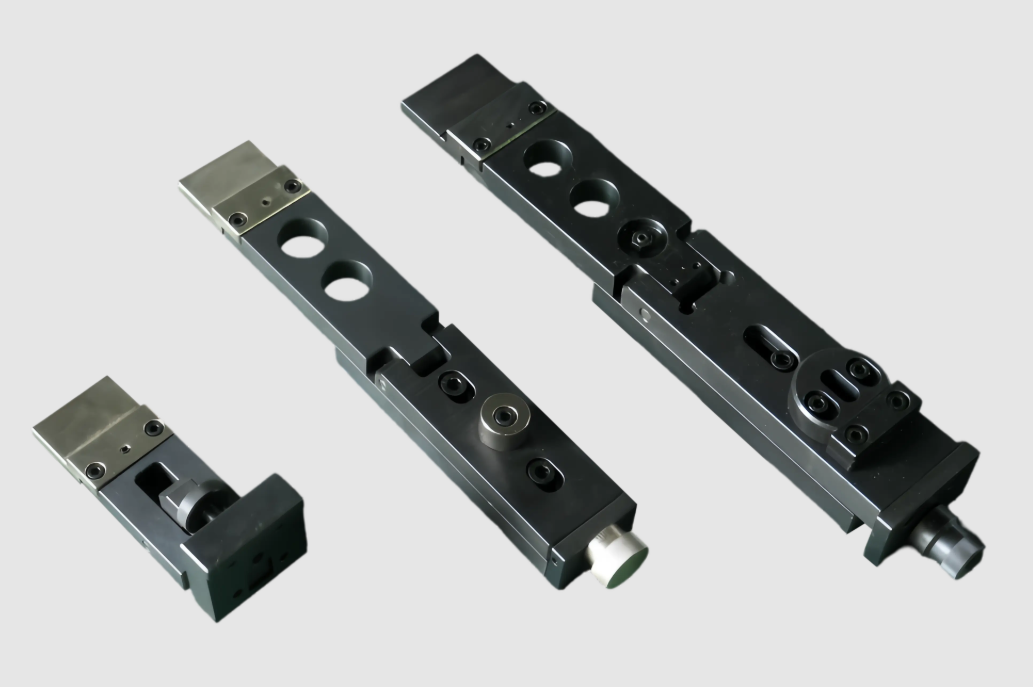
| Stop fingers | Contact and position the sheet metal | Strength, adjustability, anti-collision design |
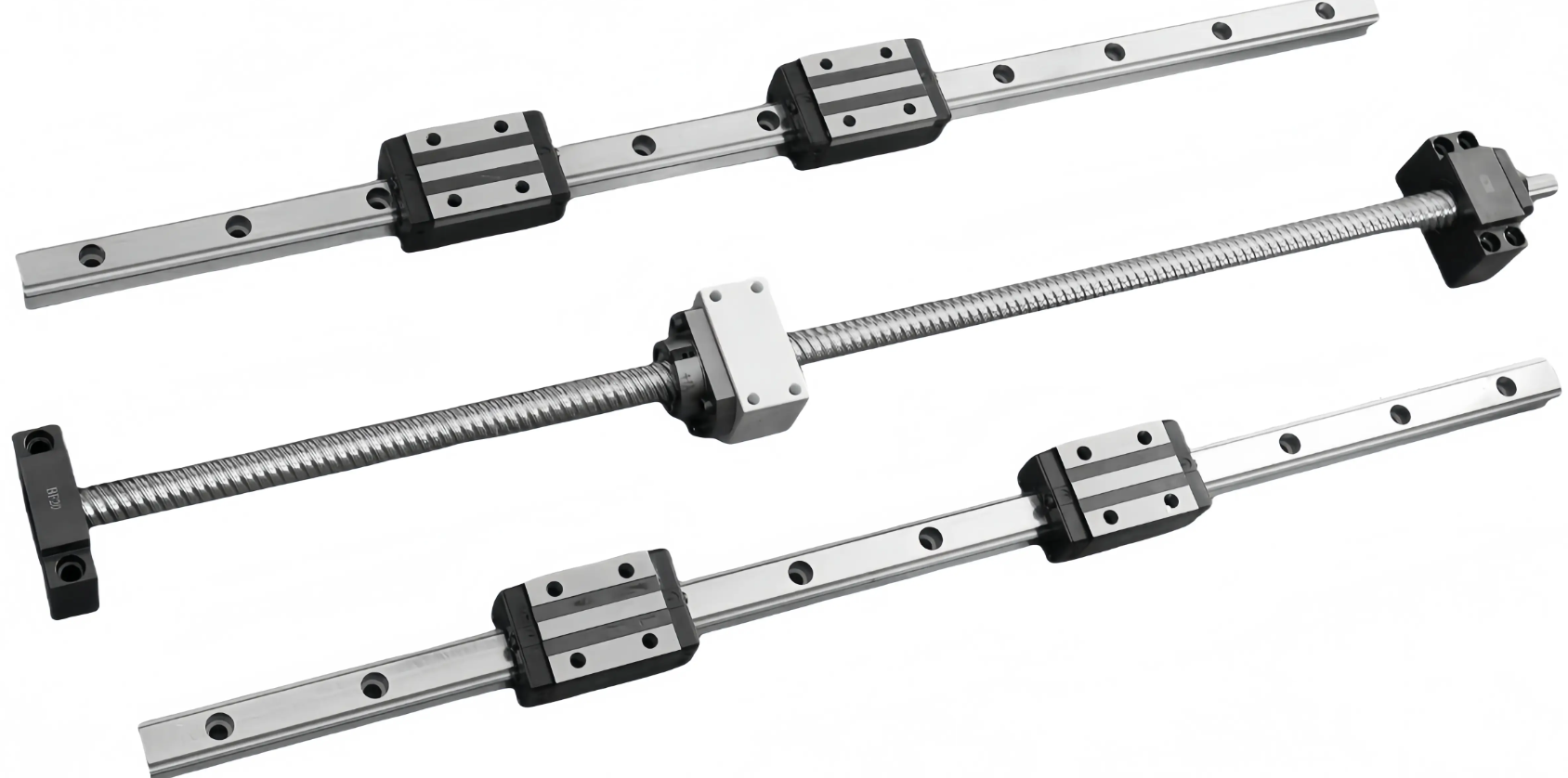
| Ball screws | Convert motor rotation into accurate linear motion | Accuracy, transmission efficiency, wear resistance |
| Linear guides | Support smooth axis movement | Rigidity, smoothness, load capacity |
| Servo or stepper motor | Drives axis movement | Speed, repeatability, controller compatibility |
| CNC controller | Stores and executes positioning programs | Axis support, interface, programming convenience |
| Backgauge beam | Supports finger movement and structural alignment | Rigidity and straightness |
| Anti-collision protection | Reduces damage from workpiece contact | Impact resistance and maintenance design |
Ball screws are the mechanical element that most directly determines the positioning accuracy and long-term reliability of a CNC backgauge system — because they are the component that converts the rotational motion of the servo motor into the precise linear motion of the stop fingers. Miharting states that ball screws offer high transmission efficiency, high positioning accuracy, long life, and excellent synchronicity, which are especially beneficial in CNC press brake backgauge systems. A ball screw with inadequate precision, poor surface finish, or inadequate preload will produce positioning errors that accumulate over time as the screw wears — degrading the backgauge accuracy and requiring replacement before the end of the expected service life.
| Production Requirement | Recommended Backgauge Configuration |
|---|---|
| Standard single-bend parts, high volume | 2-axis CNC backgauge with X and R axes |
| Multi-bend complex parts | 4-axis CNC backgauge with X, R, Z1, Z2 axes |
| Tapered or asymmetric parts | 6-axis CNC backgauge with X1, X2 independent control |
| Older press brake upgrade | Retrofit CNC backgauge with controller compatibility verification |
| High-accuracy precision parts | Micron-level positioning accuracy with HIWIN linear guides |
| High-speed production | High-speed rapid positioning with servo motor drive |
CNC press brake backgauge upgrades deliver the most productivity value for: electrical cabinet manufacturers where high-mix, multi-bend parts require frequent setup changes, HVAC duct and ventilation component producers where consistent flange dimensions are critical for assembly fit, elevator panel manufacturers where surface quality and dimensional accuracy are brand-critical, automotive component suppliers where batch consistency and scrap rate directly affect production economics, and any fabrication shop where rising labor costs and tighter delivery windows are making manual positioning increasingly uncompetitive.
Procuring the right press brake backgauge for a specific production environment requires systematic pre-order confirmation of machine compatibility, axis requirements, accuracy specifications, and installation requirements — and a maintenance program that protects backgauge accuracy and reliability through the system's service life.
Before requesting a quotation for a press brake back gauge for sale, prepare and confirm the following:
Confirm the press brake brand, model, tonnage, and bending length — the backgauge must be mechanically compatible with the press brake and sized appropriately for the machine's bending length
Confirm the existing CNC controller type and version — the backgauge control system must be compatible with the press brake's CNC controller for integrated operation
Confirm the required axis configuration — X and R for standard bending, Z1 and Z2 for complex parts, X1 and X2 for tapered or asymmetric parts — based on the most demanding parts in the production mix
Confirm the required positioning accuracy and repeatability — specify the tolerance requirements for the most demanding parts in the production mix and verify that the selected backgauge can consistently meet these requirements
Confirm the maximum travel range for each axis — verify that the backgauge travel range covers the full range of flange lengths and part dimensions in the production mix
Confirm the stop finger design requirements — the stop fingers must be strong enough to withstand the sheet metal contact forces, adjustable for different part profiles, and protected against collision damage
Confirm the retrofit feasibility — for existing press brakes, verify that the backgauge can be installed without major machine modification and that the installation space is adequate
Confirm the installation support requirements — and verify whether the supplier provides installation guidance, commissioning support, or on-site installation assistance
Confirm the spare parts availability and after-sales support — verify that replacement components including ball screws, linear guides, and stop fingers are available and that technical support is accessible
Clean linear guides regularly — metal dust, scale, and debris from sheet metal bending accumulate on the guide rails and increase friction, reducing positioning accuracy and accelerating guide wear
Keep ball screws lubricated according to the manufacturer's schedule — inadequate lubrication increases ball screw wear and reduces positioning accuracy over time
Inspect stop fingers for impact damage after any collision event — bent or damaged stop fingers create positioning errors that affect every bend until the damage is corrected
Check axis movement for abnormal noise or resistance — unusual sounds or increased resistance during axis movement indicate developing mechanical problems that should be investigated before they cause positioning errors or component failure
Verify positioning accuracy periodically using a calibrated reference — regular accuracy verification detects gradual degradation before it affects part quality
Protect guide rails from metal dust and scale — use covers or guards where possible to reduce contamination of the guide rail surfaces
Backup CNC parameter settings regularly — a backup of the controller parameters allows rapid recovery from controller faults without losing programmed bend sequences
Train operators on correct positioning and part handling — operators who understand the backgauge system and handle parts correctly reduce the collision events and mechanical stress that accelerate component wear
In 2026, the sheet metal manufacturers who achieve the strongest productivity and quality outcomes from their press brake operations are those who have eliminated manual positioning as the bottleneck in their bending process — replacing operator-dependent measuring and marking with programmed, repeatable CNC backgauge positioning that delivers consistent accuracy from the first bend of every batch, on every shift, regardless of which operator is running the machine. A modern CNC backgauge system with multi-axis positioning, ball screw precision, HIWIN linear guides, and micron-level accuracy is not simply an accessory — it is the productivity system that converts a press brake from a manually operated bending machine into a programmed production asset.
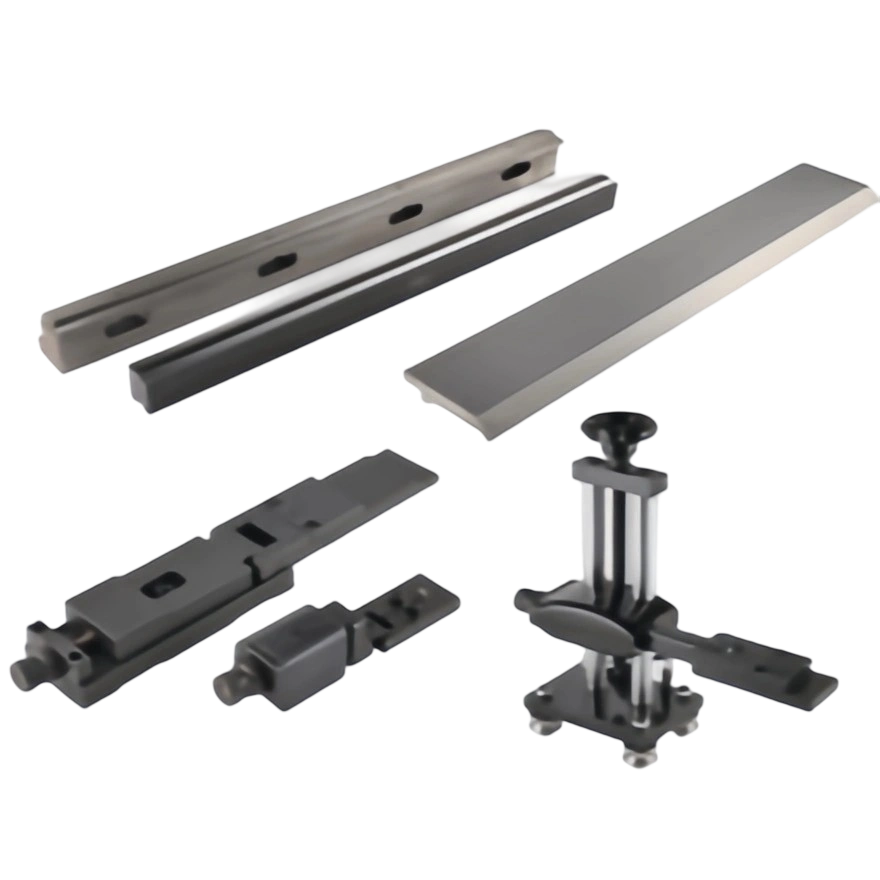
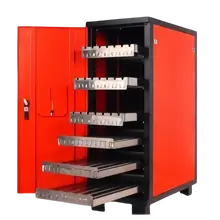
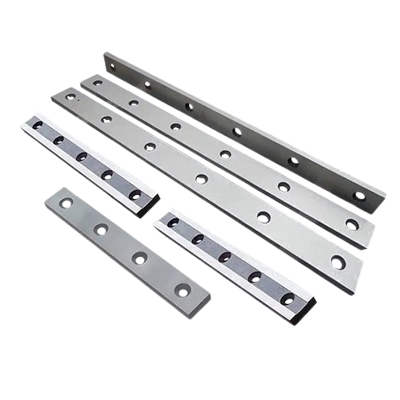
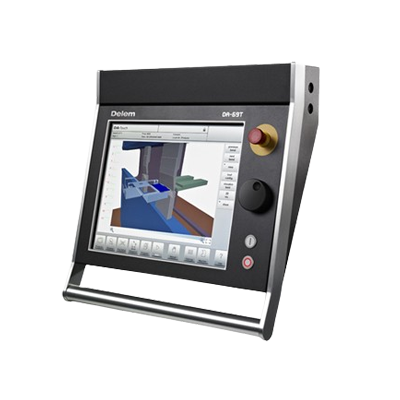
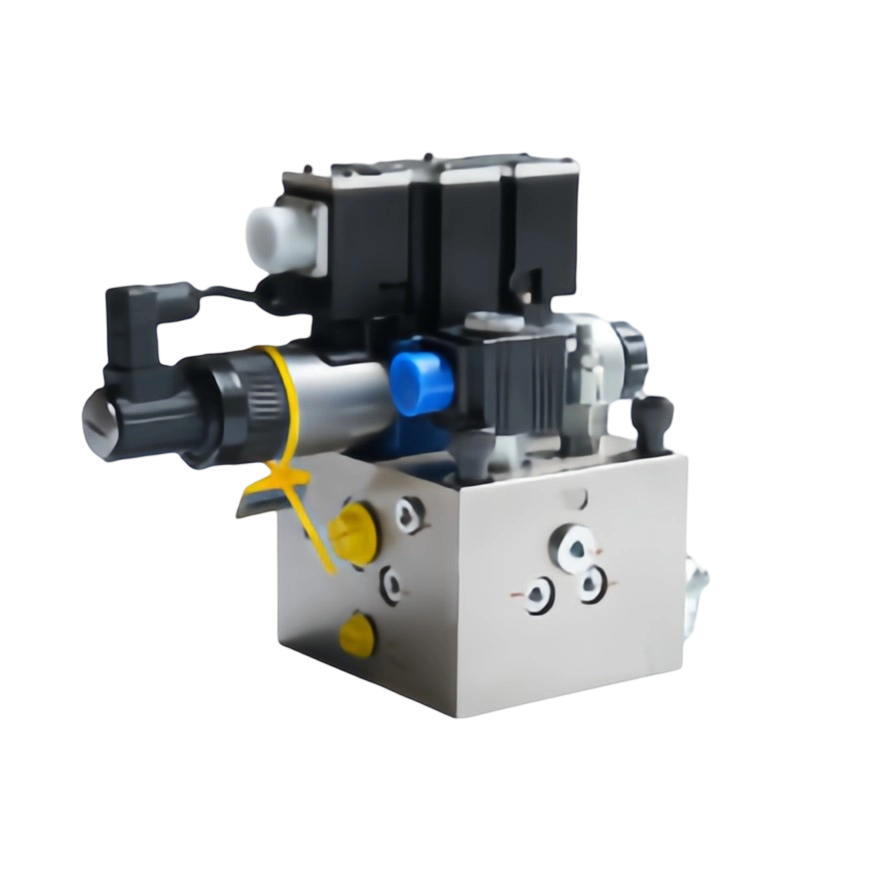
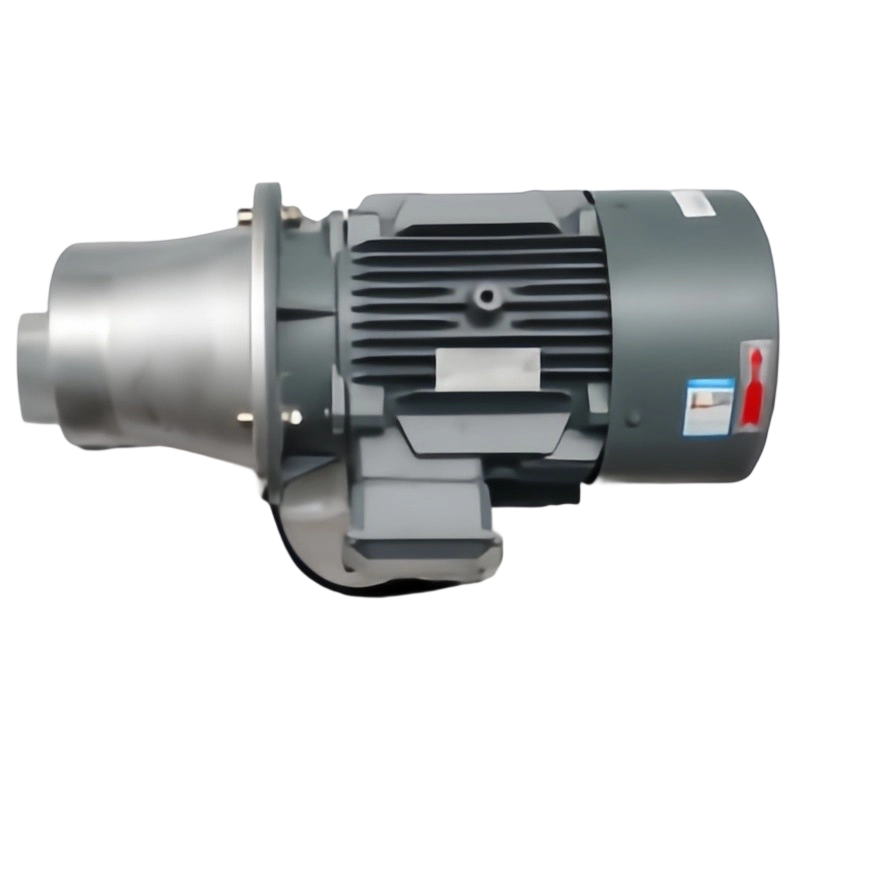
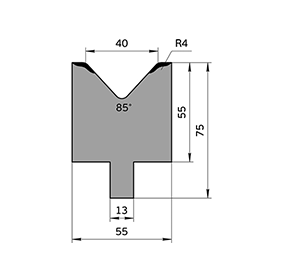
Miharting supplies press brake accessories including press brake backgauges, quick clamps, mechanical compensation systems, tool storage cabinets, shearing machine blades, press brake control systems, proportional valves, and press brake motors — supporting sheet metal processing applications across fabrication, aerospace, automotive, elevator, HVAC, and industrial manufacturing industries.
Contact Miharting today to discuss your press brake model, bending length, controller type, target axis configuration, accuracy requirements, retrofit needs, and production goals. Miharting can help evaluate the right CNC backgauge system for your specific production environment and provide the technical support and supply reliability that press brake productivity upgrades require.
Q1: What is a press brake backgauge and what does it do?
A press brake backgauge is a positioning system installed behind the press brake tooling that uses stop fingers to accurately locate sheet metal before bending. By controlling the distance between the stop fingers and the bending die, the system defines the flange length and ensures repeatable bends — eliminating the manual measuring and marking that consume operator time and introduce variability in manual bending operations.
Q2: How does a CNC backgauge system improve press brake speed?
A CNC backgauge system improves press brake speed by automatically positioning the stop fingers to the programmed location for each bend — eliminating manual marking before every bend, reducing trial-and-error positioning, shortening setup time for repeat jobs, guiding operators through multi-bend sequences without manual measuring between bends, and reducing scrap and rework from positioning errors. The cumulative time saving across a production shift can be significant, particularly for complex multi-bend parts and high-mix production environments.
Q3: What axes are important in a press brake backgauge and what does each do?
The most important axes are: X-axis for front-back positioning that defines flange length, R-axis for vertical height adjustment that supports different die heights and part profiles, Z1 and Z2 axes for independent left and right stop finger lateral movement that enables positioning of asymmetric and complex parts, and X1 and X2 axes for independent front-back control of each finger that enables tapered or non-parallel bend positioning. The required axis configuration depends on the complexity of the parts being produced.
Q4: Is a press brake backgauge retrofit worth the investment?
Yes, for most fabrication shops. A retrofit CNC backgauge can improve productivity, accuracy, and repeatability without replacing the entire press brake — extending the productive life of the existing machine and delivering a faster return on investment than a full machine replacement. The key requirement is confirming that the existing press brake is mechanically suitable for the retrofit and that the backgauge control system is compatible with the existing CNC controller.
Q5: How to improve press brake speed without buying a new machine?
The most effective ways to improve press brake speed without buying a new machine are: upgrading to a CNC backgauge system to eliminate manual positioning time, optimizing tooling setup to reduce changeover time, using CNC bending programs to standardize bend sequences, reducing manual marking through programmed positioning, improving operator training on CNC bending procedures, and maintaining tooling and machine alignment to prevent accuracy degradation that requires rework.
Q6: What should buyers check before purchasing a press brake back gauge for sale?
Buyers should check axis configuration for the required positioning capability, positioning accuracy and repeatability for the most demanding parts in the production mix, maximum travel range for the full range of part dimensions, stop finger design and anti-collision protection, ball screw and linear guide quality, CNC controller compatibility with the existing press brake, retrofit feasibility without major machine modification, installation support availability, and spare parts and after-sales service accessibility.
Q7: Why choose Miharting for press brake backgauge systems?
Miharting's press brake backg
 Press Brake Tooling: Releasing the Brake for AerospaceJuly 25, 2025Why Aerospace Manufacturing Demands Next-Generation Press BrakesThe aerospace industry operates on razor-thin tolerances where a 0.1mm deviation can compromise entire assemblies.view
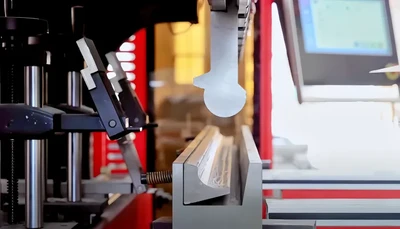 Benefits of Miharting Bending ToolsJanuary 8, 2026Miharting Bending Tools have become a cornerstone in the realm of metal forming, prominently used in various industries for tasks such as sheet metal bending tools. They offer a balance of precision a...view
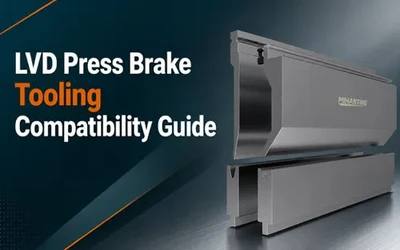 LVD Press Brake Tooling Compatibility Guide: Clamping, Segmentation and Upgrade DecisionsJuly 28, 2026An LVD press brake can remain productive for many years, but tooling decisions become more complicated when a factory adds new materials, inherits mixed tool sets, changes clamping systems or buys rep...view
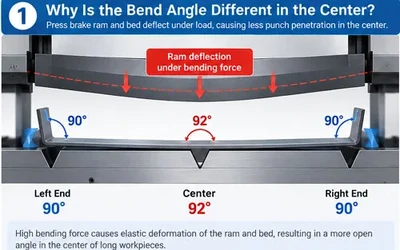 Understanding Press Brake Crowning: Hydraulic vs. CNC Mechanical SystemsSeptember 14, 2026You bend a 3- or 4-meter sheet on a press brake.The left end measures 90°.The right end measures 90°.But the center measures 91° or 92°.The first reaction is often to adjust the Y-axis or blame th...view
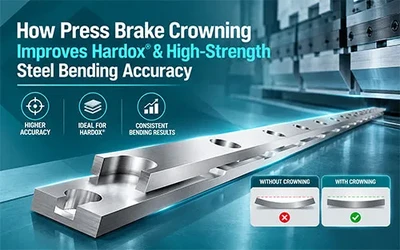 How Press Brake Crowning Improves Hardox® & High-Strength Steel Bending AccuracySeptember 16, 2026Learn why Hardox and high-strength steel require higher bending forces and springback compensation, and how press brake crowning improves long-part angle accuracy.view
 How to Choose a Press Brake Crowning System for Better Bending AccuracySeptember 23, 2026Learn how to choose the right press brake crowning system for accurate bending. Compare mechanical, CNC and hydraulic crowning for press brake manufacturers.view