EN
EN

Why is it that even with the most sophisticated CNC bending machines, using the wrong tooling can result in costly scrap? Bending tools—press brake punches and dies—serve as the "teeth" of metal fabrication; they directly determine both the precision of the finished product and the service life of the machine tool. In this article, we will guide you through a systematic approach to selecting the most suitable tooling, examining four key dimensions: material, geometry, V-die selection, and compatibility.
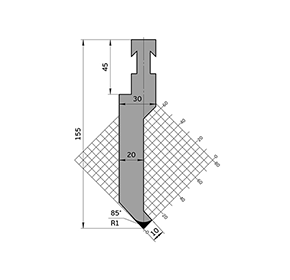
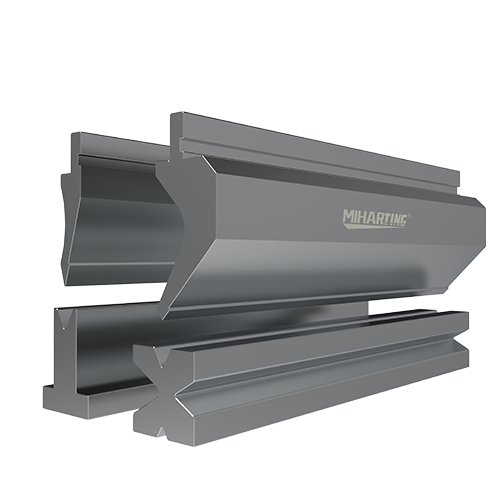
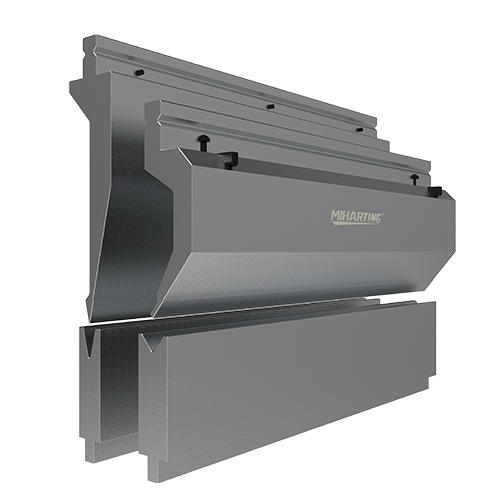
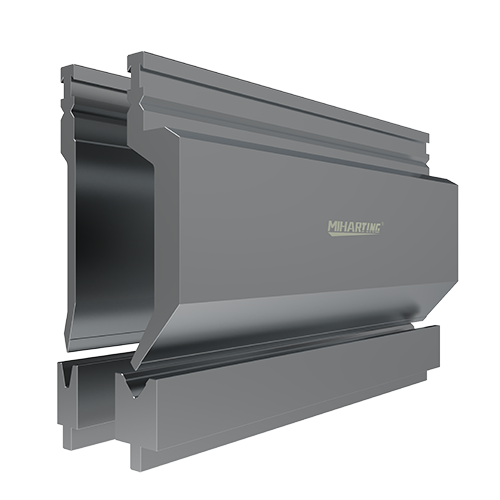
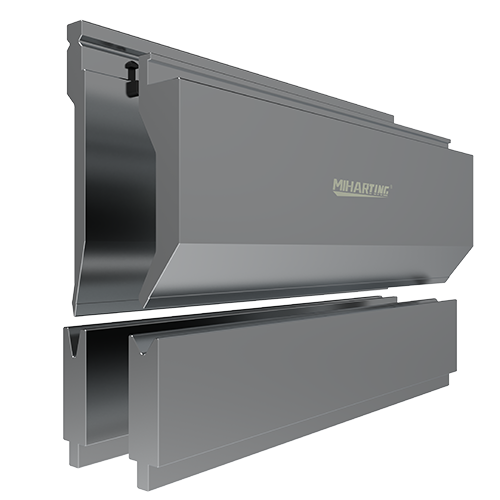
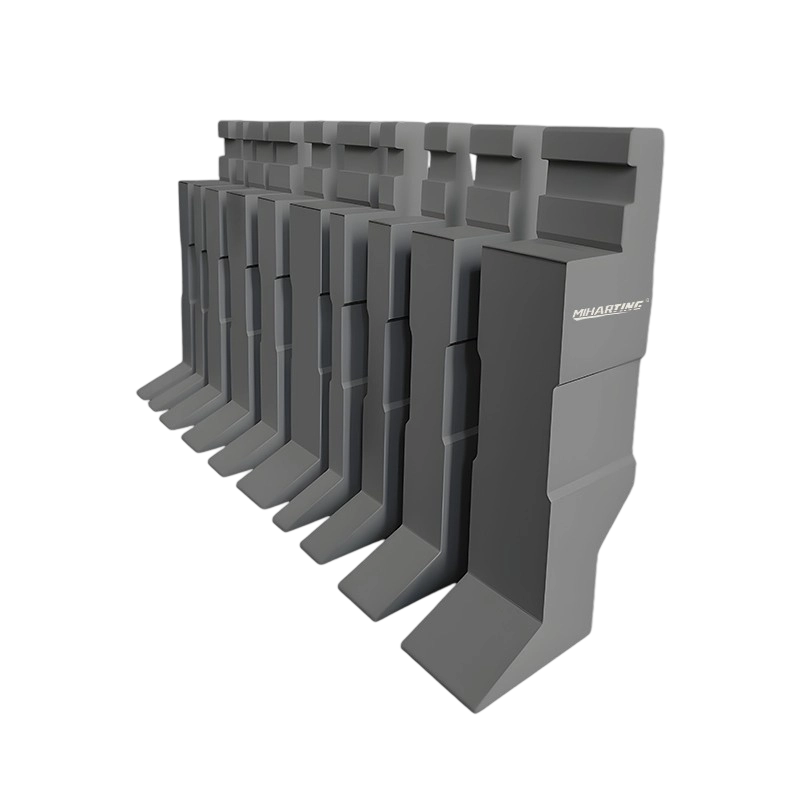
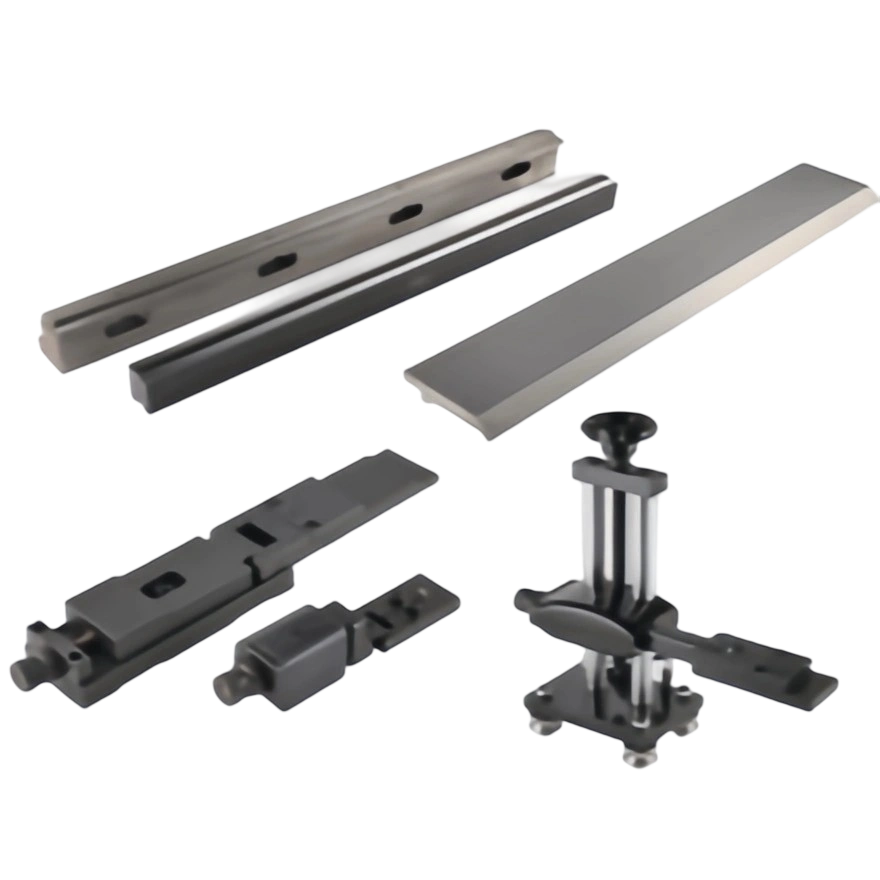
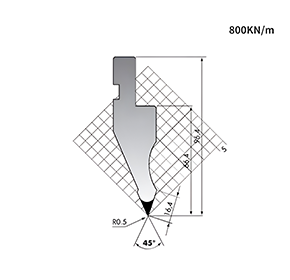
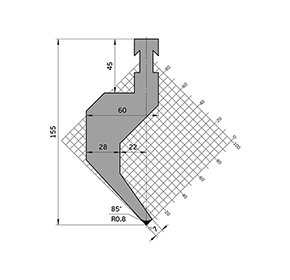
The straight punch features a linear structure; it is suitable only for single-bend operations on parts without pre-existing flanges, as its rigid form makes it highly prone to collision with previously formed sections during multi-stage processing. The gooseneck punch incorporates a curved neck designed for clearance, allowing it to perfectly bypass existing flanges on the workpiece; it is the preferred choice for forming box-shaped components, U-shaped parts, and for multi-step sequential bending operations. The acute-angle punch features a narrow tip, specializing in the formation of sharp angles; however, its slender head is susceptible to grazing adjacent sections of the workpiece. Consequently, the appropriate punch must be selected based on the specific geometry of the product to prevent bending interference and ensure the smooth execution of the manufacturing process.
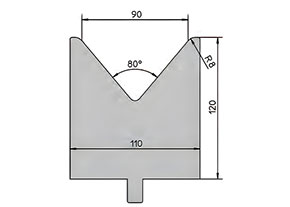
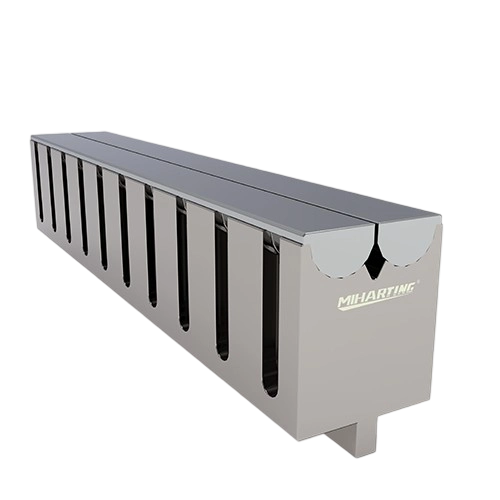
Single-V dies feature a singular groove profile, high precision, and robust load-bearing capacity; they are ideally suited for the high-volume bending of sheet metal of uniform specifications, effectively balancing the demands of both precision machining and heavy-gauge plate processing. Dual-V dies integrate two distinct groove specifications, enabling rapid size switching to accommodate small-to-medium batch production involving two standard types of workpieces.
Multi-V dies integrate a variety of V-grooves of different widths, offering a rich range of specifications and convenient switching capabilities. They are widely utilized for processing small-batch, multi-variety, and multi-size sporadic orders and samples, thereby reducing the frequency of die changes and enhancing overall processing efficiency.
· Material Considerations: For bending carbon steel, dies with a hardness of HRC 56–58 are sufficient. However, stainless steel exhibits significant springback and is inherently harder; therefore, it requires high-hardness dies (HRC 59–62) to ensure wear resistance and durability, thereby preventing rapid wear that could compromise precision.
· Plate Thickness Relationship: Introduction of the "8x Rule" (V-groove width = 8 × plate thickness) and its adjustment scheme.
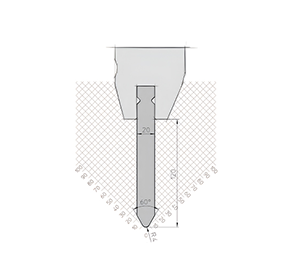
· Springback Compensation: Metal bending inevitably results in springback, making it impossible to consistently maintain a precise 90° angle. Therefore, non-standard punches with angles of 86° or 88° are utilized to counteract this effect through over-bending. An 88° punch is commonly used for carbon steel, while the 86° punch is preferred for stainless steel—which exhibits greater springback—to ensure that the workpiece precisely returns to the standard 90° angle after bending, thereby guaranteeing dimensional consistency across production batches.
· Radius Matching: The radius (R-angle) of the punch directly determines the dimensions of the workpiece's inner arc; the two must be essentially identical. Wear or deviation in the punch's R-angle will result in arc deformation and a loss of precision; therefore, precision bending requires ensuring that the punch's arc remains intact and its dimensions meet standard specifications.
· Safety Warning: By calculating bending pressure, it prevents exceeding the mold's load-bearing limit (thereby preventing mold breakage).
Standard Tools: Suitable for most routine 90° bending operations.
Gooseneck Punches: Specifically designed for processing U-shaped workpieces or deep-flange bends.
Acute Angle Tools: Used for pre-bending as part of the subsequent hemming process.
Multi-V Dies: A flexible choice for processing materials of varying thicknesses.
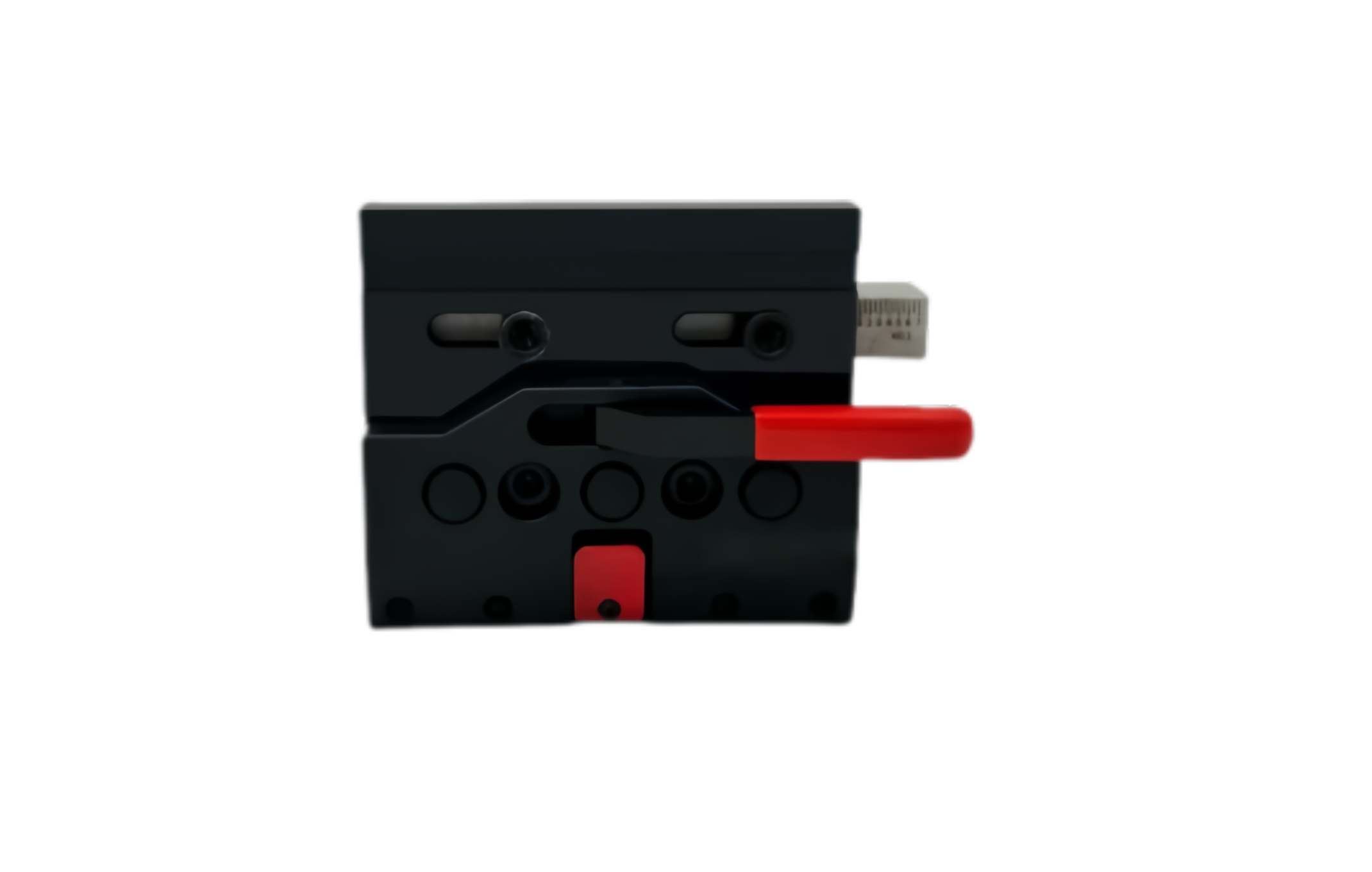
Quick-change systems—such as WILA clamping devices—reduce die-change times from hours to mere minutes through bolt-free, self-positioning, and one-touch clamping mechanisms. WILA’s Safety-Click® vertical quick-change and E2M® ergonomic handling systems minimize waiting times and reduce the potential for human error. Featuring automatic centering and high-precision repeatability, these systems ensure a high first-part acceptance rate, drastically cut downtime associated with die changes, and boost overall operational efficiency by over 30%.
推荐阅读:2026 Guide: Amada Style Press Brake Tooling vs Trumpf & Wila
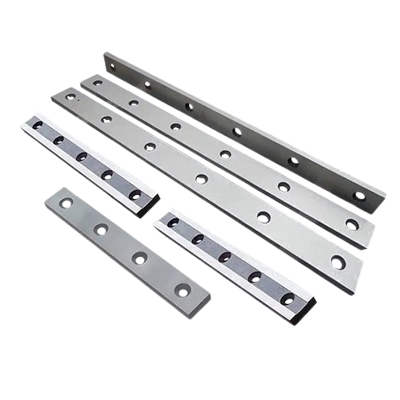
Material: 42CrMo is the preferred material for high-end tooling.
Heat Treatment: The entire tool body undergoes integral quenching, ensuring uniform overall hardness as well as exceptional impact resistance and wear resistance. Under prolonged heavy-load conditions, deformation is minimal, resulting in a significantly longer service life. In contrast, surface induction hardening hardens only the outermost layer; while the core retains good toughness, the surface remains susceptible to wear. Consequently, precision degrades more rapidly following prolonged, high-frequency bending operations, and the overall service life is notably shorter than that of fully hardened tooling.
Precision Requirements: Precision grinding is critical for ensuring the parallelism and repeatable positioning accuracy of the tooling.
Maintenance and Care Recommendations (Maintenance for Longevity)
Cleaning: Prevent metal chips from damaging the die surface.
Lubrication: Reduce friction and enhance bending consistency.
Storage: The importance of dedicated die cabinets.
Selecting press brake punches and dies involves more than just looking at the price; it is about evaluating the Return on Investment (specifically, the cost per 10,000 bends). MIHARTING provides durable mold solutions to customers worldwide, utilizing 42CrMo steel and adhering to CE certification standards.
Are you looking for a customized solution for complex bending applications? Click to download the MIHARTING Complete Mold Series Digital Catalog or consult with our engineers to receive a free quotation.
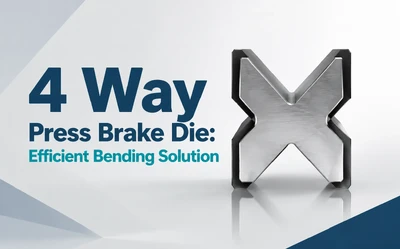 4 Way Press Brake Die: An Efficient Production SolutionJuly 14, 2026A 4 way press brake die, also known as a 4 way die, four-sided die, or multi V lower die, integrates multiple V openings into one die body. It can effectively reduce die changeover time, lower tooling costs, and improve bending flexibility.view
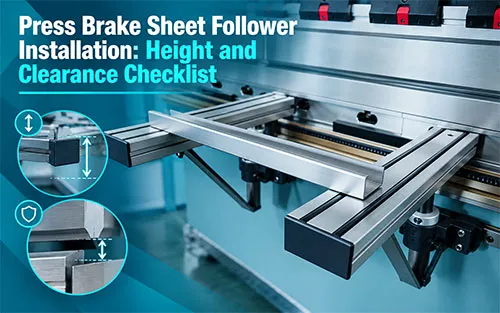
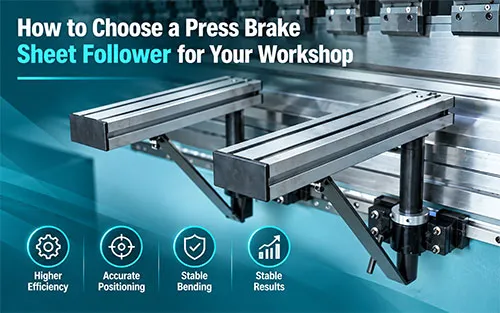
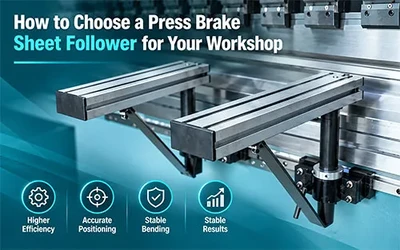 How to Choose a Press Brake Sheet Follower for Your WorkshopOctober 9, 2026Large panels can become difficult to support as they rise during bending. Choose a press brake sheet follower around your parts, load distribution, working height, and machine compatibility.view
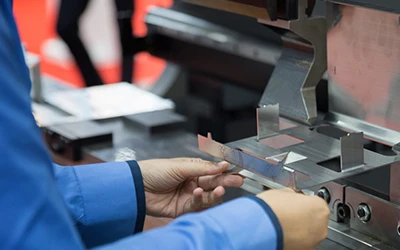 Press Brake Tooling: Releasing the Brake for AerospaceJuly 25, 2025Why Aerospace Manufacturing Demands Next-Generation Press BrakesThe aerospace industry operates on razor-thin tolerances where a 0.1mm deviation can compromise entire assemblies.view
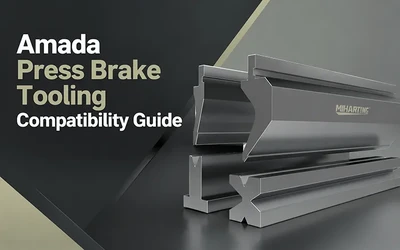 Amada Press Brake Tooling Compatibility GuideJune 18, 2026Learn how to choose compatible Amada press brake tooling for European machines. Avoid wrong interfaces, poor fit, and short tool life with 42CrMo, HRC 48-52, full length heat treatment tooling.view
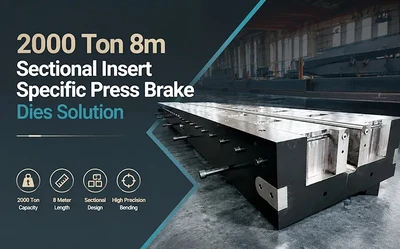 2000 Ton 8m Sectional Insert Specific Press Brake Dies SolutionJuly 20, 2026High-performance 2000 ton 8m sectional insert specific press brake dies for bending max 50mm thick 8m metal sheets. Manual & electric adjustable lower dies with 42CrMo material, low friction rotary round bar, fast V-opening adjustment for mass heavy plate processing.view
 LVD Press Brake Tooling: STONE Radius & Custom SolutionsSeptember 23, 2026Learn how to select LVD press brake tooling, including LVD10, LVD15, LVD30, W Style, STONE radius dies, heavy-duty tooling and custom solutions.view