EN
EN

Choosing press brake tooling is not just a purchasing decision. It affects setup time, bend accuracy, operator safety, scrap rate, machine utilization, and whether your shop can handle short-run jobs profitably.
For many fabricators, the real question is not simply:
"Is WILA tooling better than traditional tooling?"
The better question is:
"Which tooling system helps my press brake make accurate parts faster, with less rework and less dependence on operator adjustment?"
In many modern bending environments, WILA press brake tooling has clear advantages over traditional tooling. But traditional tooling still has a place, especially when cost, compatibility, and simple bending work are the top priorities.
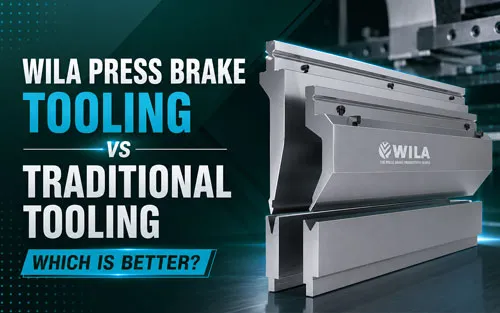
This guide explains the real differences, the hidden costs customers often overlook, and how to decide which tooling system is better for your production needs.
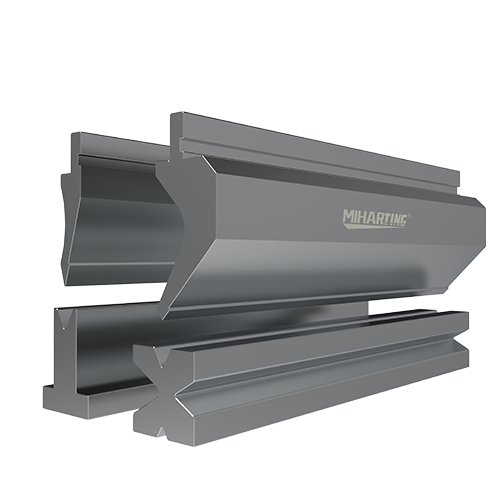
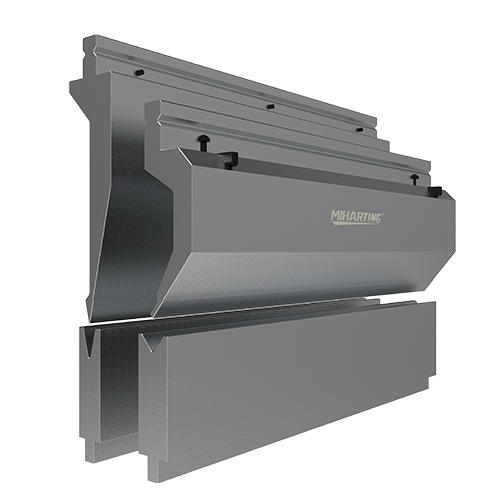
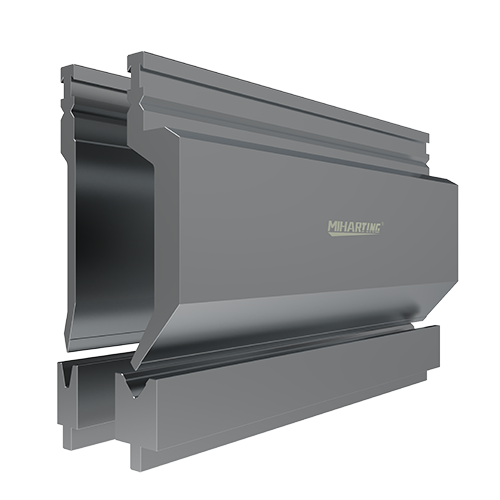
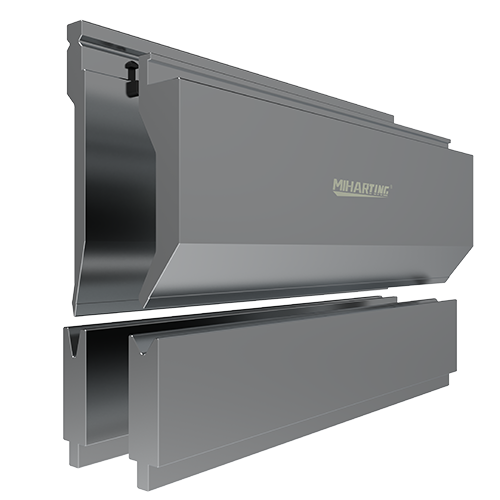
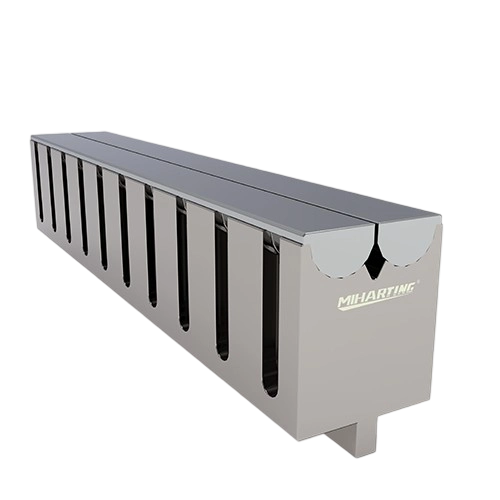
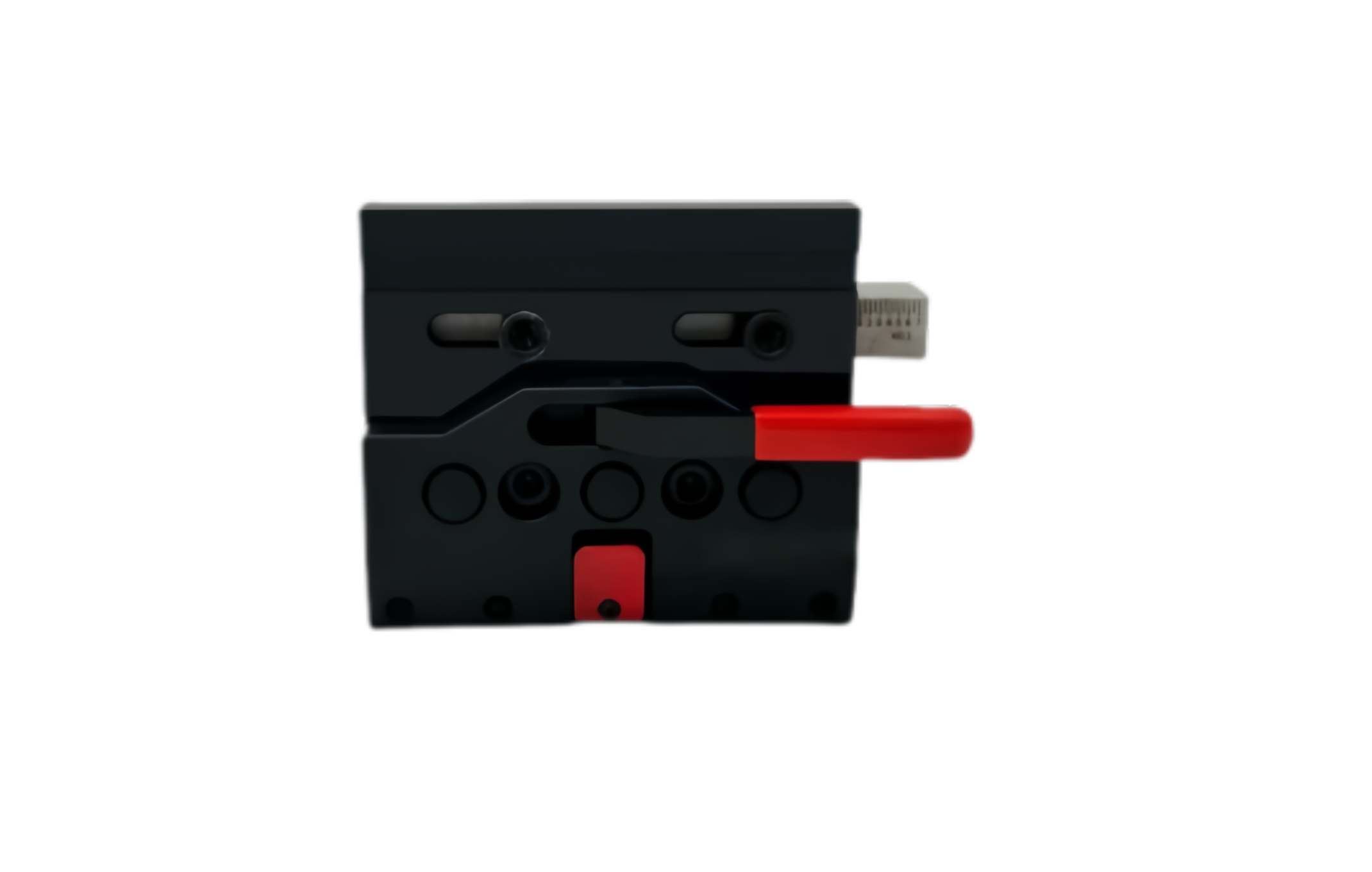
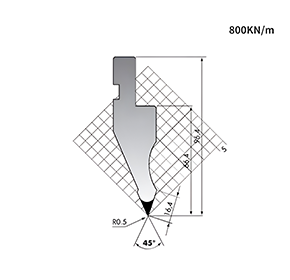
WILA press brake tooling usually refers to the WILA New Standard tooling system, a high-precision tooling interface designed for fast tool changes, accurate alignment, and consistent bending performance.
Compared with many traditional press brake tooling systems, WILA tooling is built around a more complete productivity concept:
- Precision-ground tooling surfaces
- Automatic or quick clamping options
- Self-seating and self-centering tool alignment when used with suitable holders
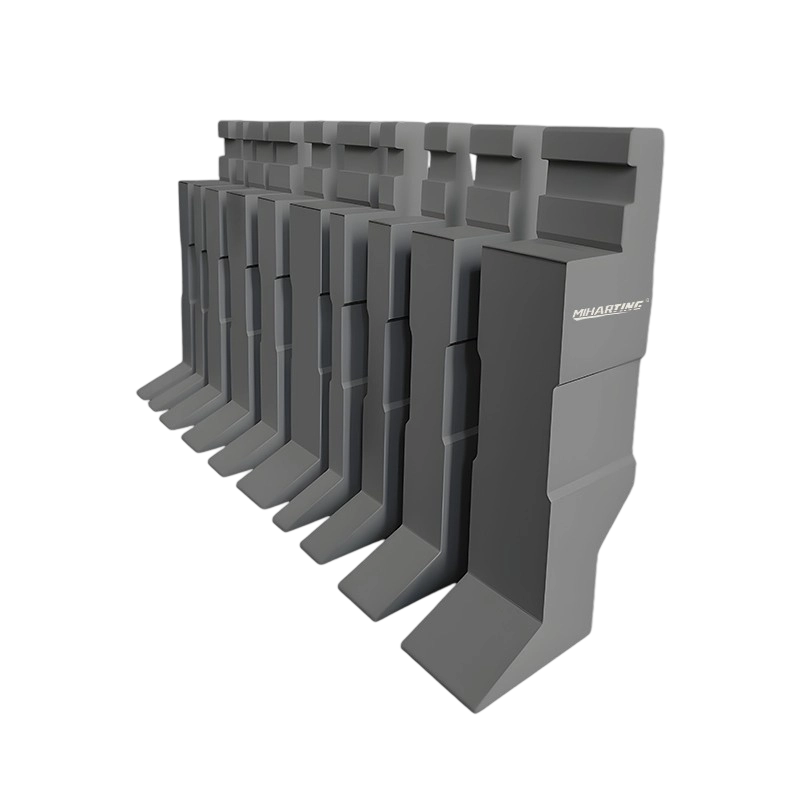
- Segmented tooling for flexible bending lengths
- Safer vertical loading with Safety-Click style mechanisms on compatible upper tools
- High durability through hardened working and wear areas
- Integration with WILA clamping, crowning, and bottom tool holder systems
In simple terms, WILA is not just a punch and die profile. It is a tooling system designed to reduce setup time and improve repeatability.
"Traditional tooling" usually refers to older or more conventional tooling styles, such as American-style tooling, standard European/Promecam tooling, or other manually clamped systems.
Traditional tooling is widely used because it is:
- Familiar to many operators
- Often lower in initial purchase cost
- Easy to source for older press brakes
- Suitable for many general fabrication jobs
- Strong and practical for simple bending work
However, traditional tooling often depends more heavily on manual setup. Operators may need to load tools from the side, tighten clamps one by one, check alignment, make test bends, adjust positioning, and compensate for worn tooling or inconsistent seating.
That extra setup work may seem normal in a workshop, but it becomes expensive when every job requires frequent changeovers.
Factor | WILA Press Brake Tooling | Traditional Tooling |
Setup speed | Very fast with hydraulic, pneumatic, or quick clamping | Slower, especially with manual clamps |
Tool alignment | Self-seating and highly repeatable with compatible holders | More operator-dependent |
Bending accuracy | Excellent for precision and repeatability | Good, but depends on tooling quality and setup |
Operator skill dependence | Lower once the system is set correctly | Higher, especially on older machines |
Safety | Better tool handling on compatible systems | More manual handling risk |
Initial cost | Higher | Lower |
Long-term productivity | Strong advantage in high-mix production | Best for simpler or low-changeover work |
Compatibility | Requires the correct WILA-style holder/interface | Often easier for legacy machines |
Best fit | Precision, short runs, frequent tool changes, demanding tolerances | General fabrication, budget-sensitive jobs, existing legacy setups |
Many shops focus on the price of the tooling itself. But the largest hidden cost is often machine downtime during setup.
If your operators spend too much time changing punches and dies, aligning sections, checking tool seating, and making trial bends, your press brake is not producing sellable parts. It is waiting.
This becomes a serious problem when you run:
- Small batch orders
- Many part numbers per shift
- Short lead-time jobs
- Custom sheet metal work
- High-mix, low-volume production
- Multiple bends with different tooling stations
Traditional tooling can perform well once it is set up, but every setup can consume valuable production time. WILA tooling is designed to reduce this friction. With compatible clamping systems, tooling can be seated and aligned more quickly, which helps operators move from one job to the next with fewer delays.
For a shop that changes tools once a day, the difference may not feel dramatic. For a shop that changes tools many times per shift, the productivity gain can be significant.
In press brake bending, small alignment errors can create big production problems.
Poor tool seating or inconsistent clamping can lead to:
- Angle variation from part to part
- Different results between operators
- Extra test bends
- More scrap material
- Longer inspection time
- Rework on finished parts
- Customer complaints about inconsistent dimensions
Traditional tooling often relies on the operator to seat and align the tooling correctly. Experienced operators can do this well, but the result may vary when tools are worn, clamps are uneven, or the job changes frequently.
WILA tooling is designed to improve repeatability by controlling the relationship between the tooling and the clamping system. When the tooling, holder, and press brake are matched correctly, the system helps reduce the human adjustment factor.
That is why WILA tooling is especially valuable for precision bending work, stainless steel parts, appearance-critical components, cabinets, enclosures, elevator parts, electrical boxes, and production where repeatability matters more than the lowest tool price.
Press brake tooling can be heavy, awkward, and dangerous to handle. Traditional side-loading systems often require the operator to slide long tooling sections into the machine. This can be slow and physically demanding, especially when tooling is heavy or space around the machine is limited.
WILA-compatible systems can support faster and safer vertical tool loading, depending on the upper tool and holder configuration. This makes tool changes easier and reduces the strain on operators.
For many shops, safety is not only about avoiding accidents. It is also about reducing fatigue. A tired operator is more likely to make mistakes, especially near the end of a shift.
If your shop runs frequent tool changes, heavy tooling, or multi-station setups, safer handling should be part of the buying decision.
## Cost: Why the Cheapest Tooling Is Not Always the Lowest-Cost Tooling
Traditional tooling usually wins on initial purchase price. If you only compare the cost of one punch or die, WILA tooling can look expensive.
But tooling cost should be measured over the full production cycle:
- How long does each setup take?
- How many test bends are needed?
- How often do operators need to correct alignment?
- How much scrap is caused by inconsistent bends?
- How many jobs can the machine complete per shift?
- How long does the tooling maintain accuracy?
- How much operator training is required?
If you run simple, repeatable jobs with infrequent tool changes, traditional tooling may be the smarter investment. But if your production depends on fast changeovers and consistent accuracy, WILA tooling can reduce hidden costs that are much larger than the tooling price difference.
The question is not "Which tool is cheaper?"
The question is "Which tool lowers my cost per accurate part?"
One of the most common tooling mistakes is assuming that all press brake tooling systems are interchangeable. They are not.
Before buying WILA tooling or WILA-style tooling, you must confirm:
- Press brake brand and model
- Upper clamping system
- Lower die holder or crowning system
- Tooling tang profile
- Working height
- Load capacity
- Tool length and segmentation requirements
- Material thickness and tensile strength
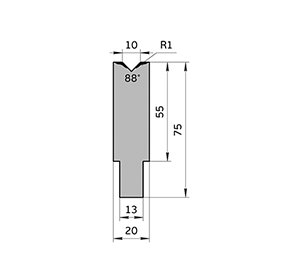
- Bend radius and V-opening requirements
WILA New Standard tooling requires the correct compatible holder or clamping system. A traditional American-style or European-style press brake may need an adapter, retrofit clamping system, or different tooling profile.
This is why buyers should never order tooling based only on photos. A tooling supplier should ask for machine details, existing tooling drawings, and bending requirements before recommending the correct punch and die.
WILA press brake tooling is usually the better choice when your shop needs speed, precision, and repeatability.
Choose WILA tooling if:
- You run frequent job changeovers
- You produce small and medium batches
- You need consistent bend angles across different operators
- You work with tight tolerances
- You want to reduce trial bends and scrap
- You use modern CNC press brakes
- You need multi-station bending setups
- You bend stainless steel, coated material, or appearance-critical parts
- You want safer and faster tool handling
- You are trying to increase press brake utilization
For these applications, WILA tooling can help solve the problems customers complain about most: slow setup, inconsistent bends, operator dependence, and wasted production time.
Traditional tooling is not obsolete. In the right environment, it can still be practical and cost-effective.
Choose traditional tooling if:
- Your budget is limited
- Your press brake already uses traditional holders
- You run simple parts with long production batches
- Tool changes are infrequent
- Your tolerance requirements are moderate
- Your operators are experienced with the current system
- You want to avoid machine retrofitting costs
- You mainly bend heavy, straightforward parts
If your existing tooling produces accurate parts and setup time is not limiting production, upgrading to WILA may not be urgent.
The smartest tooling decision is not always the most advanced system. It is the system that matches your production reality.
For modern fabrication shops focused on productivity, repeatability, and fast changeovers, WILA press brake tooling is usually the better long-term choice.
It helps solve several costly problems:
- Too much time lost during setup
- Inconsistent angles between operators
- Extra scrap from trial bends
- Slow response to short-run orders
- Difficult tool handling
- Reduced press brake utilization
However, traditional tooling can still be the better option for shops with older machines, simpler parts, infrequent setup changes, or strict budget limits.
So the honest answer is:
WILA tooling is better for high-precision, high-mix, productivity-focused bending. Traditional tooling is better for cost-sensitive, simple, or legacy press brake applications.
Before purchasing, answer these questions:
1. How many tool changes do you make per shift?
2. How much time does each setup take?
3. Are inconsistent bend angles causing scrap or rework?
4. Do different operators get different results?
5. Are you producing short runs or repeat batches?
6. What tolerance does your customer require?
7. Is your current press brake compatible with WILA tooling?
8. Would faster setup allow you to accept more jobs?
9. Are operators handling heavy tooling safely?
10. Is the lowest purchase price more important than long-term cost per part?
If setup time, accuracy, and repeatability are limiting your production, WILA tooling deserves serious consideration. If your main concern is basic bending at the lowest tooling investment, traditional tooling may still meet your needs.
Do not choose tooling only by price. Choose tooling by the problem you need to solve.
If your pain point is slow setup, inconsistent bending, operator-dependent quality, or difficulty handling short-run jobs, WILA press brake tooling can provide a strong productivity advantage.
If your pain point is initial budget, compatibility with an older press brake, or simple bending work with few changeovers, traditional tooling can still be a practical solution.
The best supplier will not simply sell you the most expensive tooling. They will help you confirm your press brake interface, bending application, material, tolerance, and production volume before recommending the correct punch, die, holder, or retrofit solution.
If you are not sure whether WILA tooling or traditional tooling is right for your press brake, send the following information to your tooling supplier:
- Press brake brand and model
- Photos of your current upper and lower tooling
- Tooling drawings, if available
- Material type and thickness
- Bending length
- Required angle and radius
- Production batch size
- Main problem you want to solve: speed, accuracy, cost, safety, or compatibility
With the right information, a tooling expert can help you avoid compatibility mistakes and choose a system that improves real production performance.
 How to Choose the Right Press Brake Die Opening?August 25, 2026Selecting the correct press brake die opening is crucial; the size of the V-opening affects bending accuracy, the inner bend radius, bending force, surface quality, and more.view
 China Press Brake Tooling Manufacturer vs European SuppliersSeptember 4, 2026Compare China press brake tooling manufacturers with European suppliers in quality, compatibility, customization, lead time, service and total cost.view
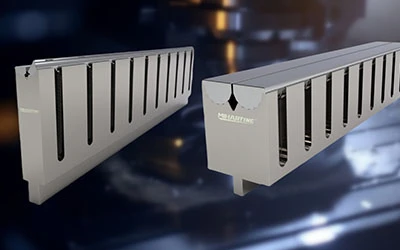 The Sheet Metal Maestro's Playbook: A Definitive Guide to Press Brake ToolingJuly 25, 2025When Metal Meets Its Match: The Science Behind Press BrakesPress brakes don't bend metal—they persuade it.view
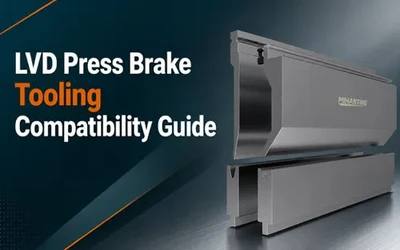 LVD Press Brake Tooling Compatibility Guide: Clamping, Segmentation and Upgrade DecisionsJuly 28, 2026An LVD press brake can remain productive for many years, but tooling decisions become more complicated when a factory adds new materials, inherits mixed tool sets, changes clamping systems or buys rep...view
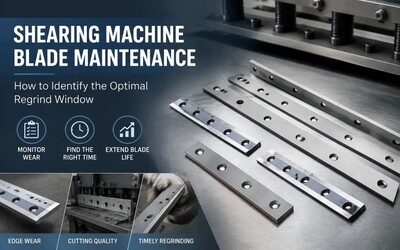 Shearing Machine Blade Maintenance: How to Identify the Optimal Regrind WindowSeptember 14, 2026The optimal regrind window for a shearing machine blade is the point where wear has started to reduce cutting performance but the blade still has enough material remaining for effective restoration. R...view
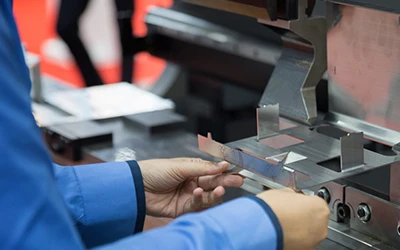 Press Brake Tooling: Releasing the Brake for AerospaceJuly 25, 2025Why Aerospace Manufacturing Demands Next-Generation Press BrakesThe aerospace industry operates on razor-thin tolerances where a 0.1mm deviation can compromise entire assemblies.view