EN
EN

In sheet metal fabrication, sharp edges and burrs are common after cutting, shearing, laser cutting, or bending. If these edges are left untreated, they may affect product appearance, create safety risks during handling, and reduce the perceived quality of the final part.
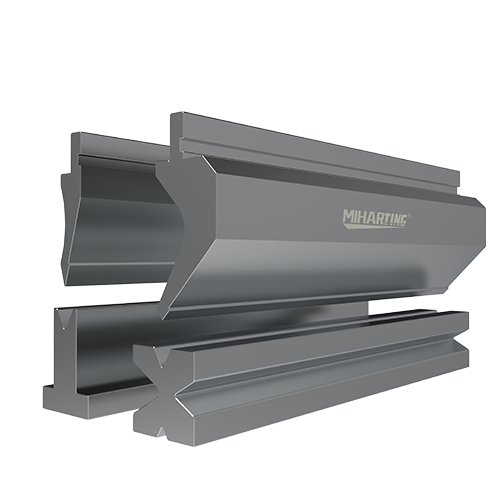
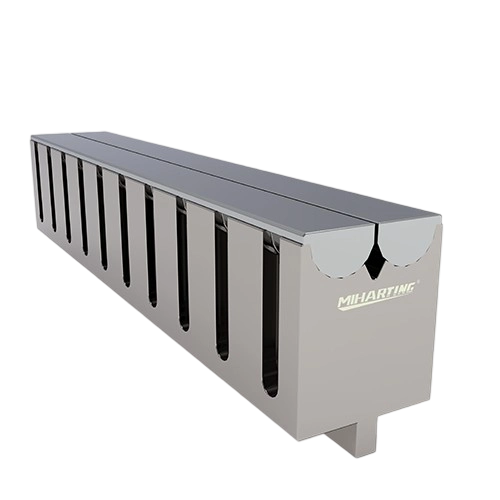
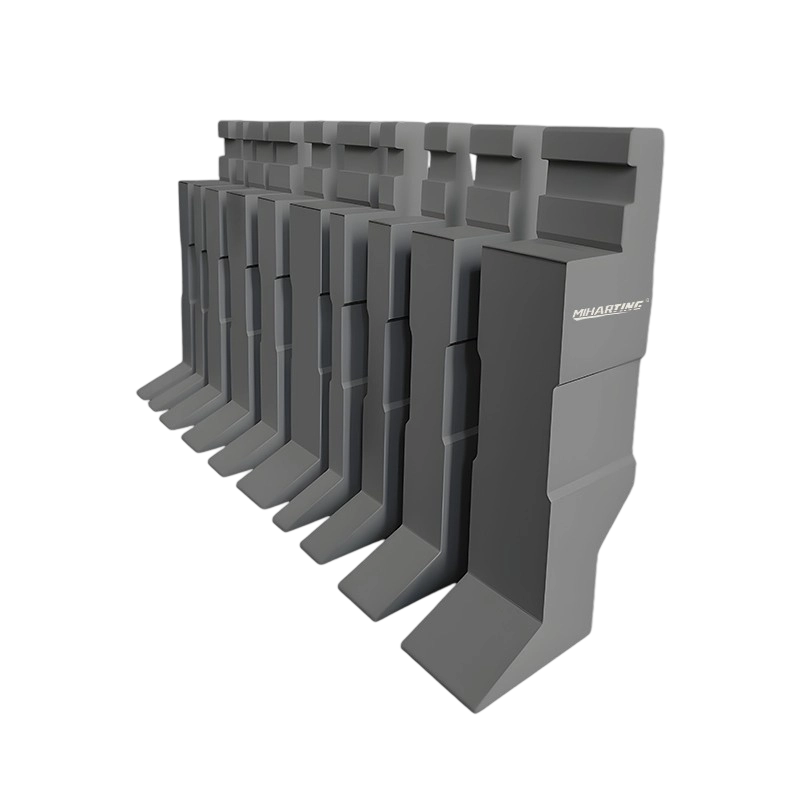
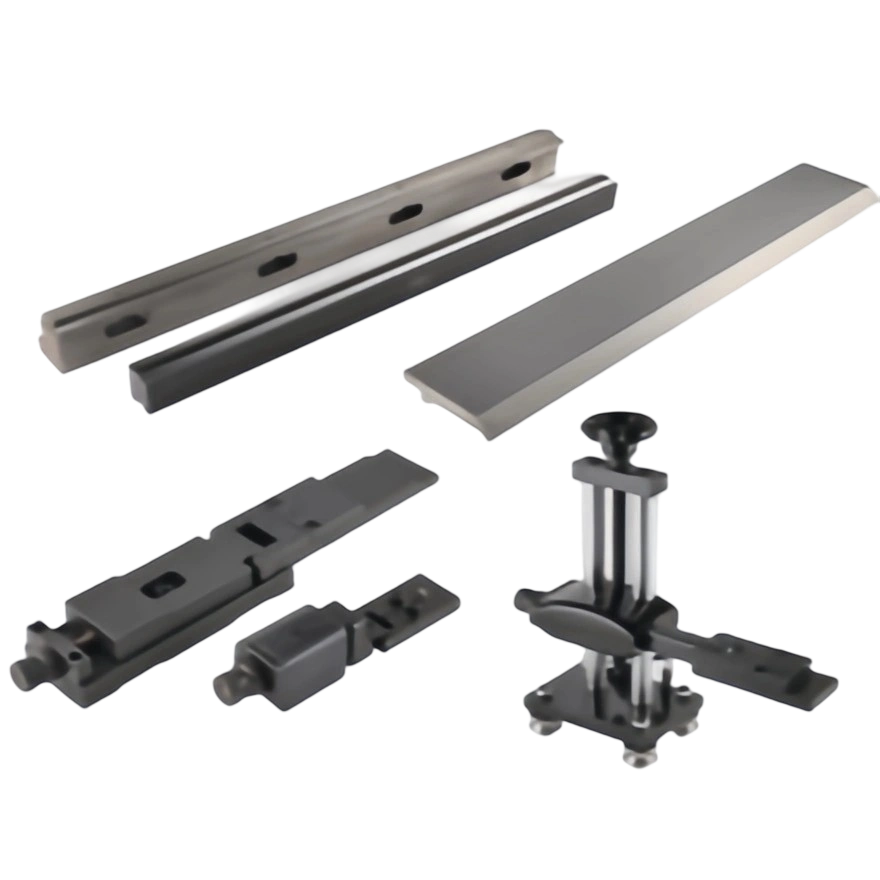
A press brake hemming die, also known as a sheet metal hemming die or flattening die, is an effective tooling solution for this problem. By folding and flattening the edge of the sheet metal, the die helps create a smooth, safe, and reinforced edge. This process is widely used for electrical cabinets, machine covers, enclosures, doors, panels, trays, home appliance parts, elevator components, and other precision sheet metal products.
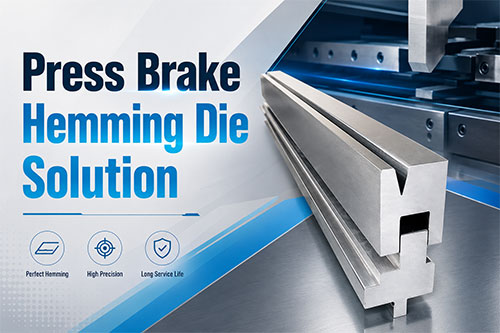
A press brake hemming die is a special bending tool used to fold the edge of sheet metal back onto itself. The hemming process is usually completed in two steps. First, the sheet metal edge is pre-bent, commonly to around 30 degrees. Then the pre-bent edge is pressed flat by the upper and lower tools or by a dedicated flattening insert.
After hemming, the edge is no longer a single thin layer. Instead, it becomes a folded double-layer structure. This improves safety, removes exposed sharp edges, reduces burr-related risks, and increases local edge thickness. As a result, the finished part becomes stronger, cleaner, and easier to handle.
The first advantage of a hemming die is safety. Sharp sheet metal edges can easily scratch operators, assemblers, or end users. Hemming folds the exposed edge inward and creates a smoother contact surface, making the product safer during production, assembly, transportation, and daily use.
The second advantage is strength. A hemmed edge increases the local thickness of the sheet metal. This helps improve rigidity, reduce edge deformation, and strengthen thin sheet metal parts. For large panels, doors, covers, and enclosures, this added stiffness can make a noticeable difference.
The third advantage is appearance. A hemmed edge looks cleaner and more professional than an exposed cut edge. It is especially useful for visible components that require painting, powder coating, stainless steel finishing, or other surface treatments.
The fourth advantage is assembly performance. Hemmed edges can be used as reinforced lips, positioning edges, protective edges, or structural edges. This makes them valuable in many cabinet, enclosure, panel, and housing applications.
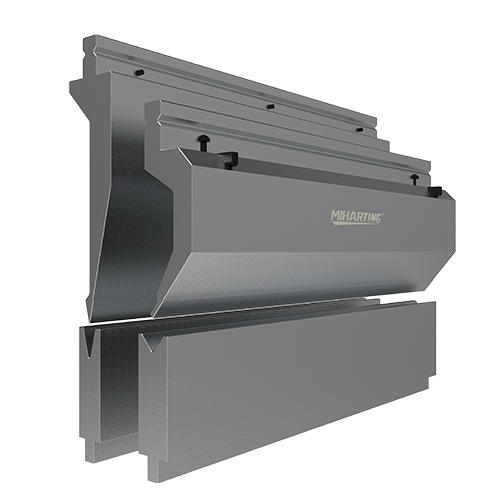
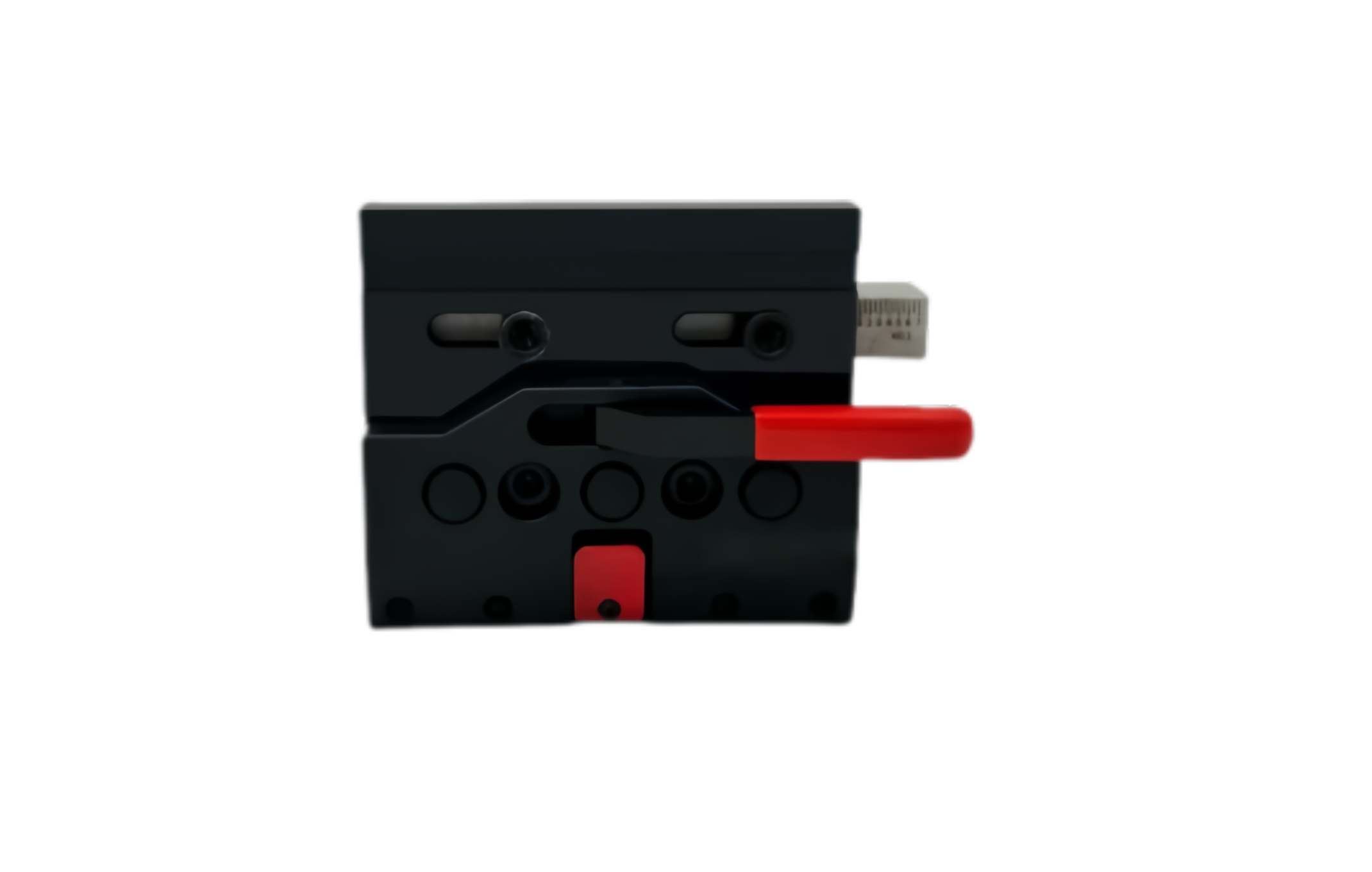
A hydraulic hemming die uses a hydraulic cylinder to control the up-and-down movement of the flattening insert. This structure provides stable pressure, smooth movement, and reliable performance during repeated hemming operations.
Hydraulic hemming dies are suitable for applications that require consistent edge quality, longer hemming lengths, or higher forming force. They are commonly used for electrical cabinets, heavy-duty sheet metal enclosures, industrial machine covers, and larger sheet metal parts.
For manufacturers with medium to high production volumes, hydraulic hemming dies can help improve forming stability and reduce variation between parts.
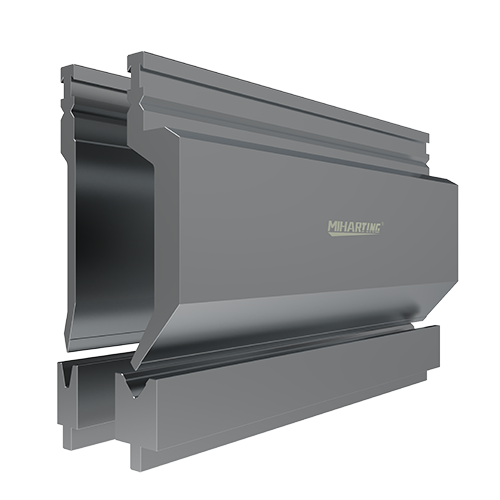
A spring-loaded hemming die uses internal springs to control the movement and return of the flattening insert. Compared with hydraulic or pneumatic systems, this type of die has a simpler structure and is easier to maintain.
Spring-loaded hemming dies are a practical solution for general sheet metal fabrication. They are suitable for thin to medium sheet metal, small to medium batch production, and workshops that process different part types.
For many standard panels, covers, doors, trays, and light-duty enclosures, a spring-loaded hemming die offers a good balance between cost, usability, and forming quality.
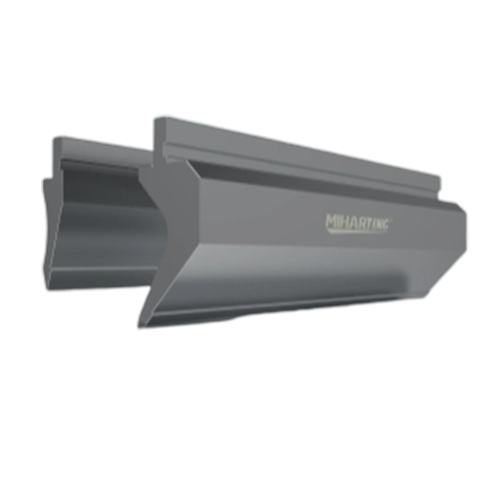
A pneumatic hemming die uses an air cylinder to control the movement of the flattening insert. Compared with a spring-loaded design, pneumatic control provides more flexible movement and faster response.
This type of hemming die is suitable for production environments where efficiency and repeatability are important. It can help reduce manual adjustment, improve operating convenience, and support more continuous production.
Pneumatic hemming dies are often used in batch sheet metal bending, semi-automatic production lines, and applications where stable repeated movement is required.
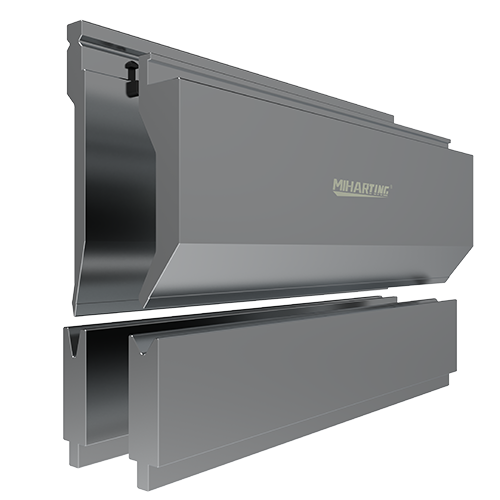
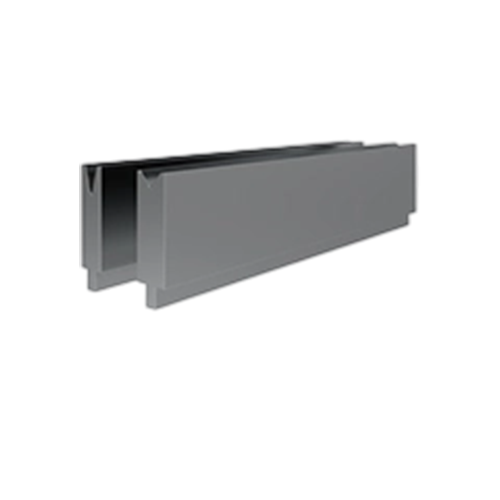
A U-type hemming die is a common and practical solution for sheet metal edge folding. The process usually starts by bending the sheet metal edge to around 30 degrees. Then the upper and lower tools are used to flatten the edge and complete the hem.
This type of tooling is suitable for standard closed hem or flattened hem applications. It is widely used for thin sheet metal parts that need safer edges, better appearance, and improved edge strength.
For customers looking for a simple and cost-effective hemming solution, the U-type hemming die is often a very suitable choice.
Choosing the right press brake hemming die depends on several factors, including material type, sheet thickness, hem length, production volume, surface quality requirements, and the final function of the part.
For thin sheet metal and general fabrication work, spring-loaded or U-type hemming dies are often enough. They are easy to use and cost-effective.
For larger parts, longer edges, thicker materials, or higher consistency requirements, hydraulic hemming dies are usually more suitable because they offer stronger and more stable forming control.
For production lines that require faster operation and better automation compatibility, pneumatic hemming dies can be a better option.
Material is also important. Stainless steel, aluminum, galvanized steel, and pre-painted sheets may require different tooling surfaces, bending radii, and pressure settings. For visible parts, mark-free tooling or protective film may be needed to avoid surface scratches and pressure marks.
A good hemming result is not achieved by simply applying more pressure. The process must be controlled carefully.
In most cases, the sheet metal edge should first be pre-bent to an acute angle, often around 30 degrees. Then the edge is flattened in the second step. This two-step process helps reduce cracking, slipping, and surface damage.
The hemming gap should also be controlled according to material thickness and product requirements. If the gap is too large, the edge may not close properly. If the pressure is too high or the gap is too tight, the material may crack, thin out, or leave visible marks.
Before mass production, it is recommended to perform a first-piece test. The operator should check the final edge thickness, surface quality, flatness, hem consistency, and assembly dimensions.
Press brake hemming dies are widely used in many sheet metal industries, including:
Electrical cabinets and control panels
Machine guards and covers
Metal doors and access panels
HVAC enclosures
Elevator components
Home appliance panels
Automotive sheet metal parts
Stainless steel products
Industrial equipment housings
Lighting fixtures and metal trays
In all these applications, hemming helps improve safety, appearance, strength, and product durability.
A press brake hemming die is an important tooling solution for sheet metal edge forming. It removes sharp edges and burrs, makes the product safer to handle, and increases edge thickness to improve local strength.
Different hemming die types are available for different production needs. Hydraulic hemming dies provide stable pressure for demanding applications. Spring-loaded hemming dies are simple and economical for general sheet metal work. Pneumatic hemming dies improve operating flexibility and production efficiency. U-type hemming dies offer a practical solution for common edge folding and flattening operations.
By selecting the right hemming die according to material, thickness, production volume, and product requirements, manufacturers can produce cleaner, safer, and stronger sheet metal parts with better overall quality.
 The Sheet Metal Maestro's Playbook: A Definitive Guide to Press Brake ToolingJuly 25, 2025When Metal Meets Its Match: The Science Behind Press BrakesPress brakes don't bend metal—they persuade it.view
 Gooseneck Punch Vs Straight Punch: Which Press Brake Punch Is Better for Deep Boxes and Return Flanges?September 18, 2026When a press brake part includes a deep box, tall return flange, or several bends close together, choosing a punch based only on angle and radius can lead to interference during forming. The critical ...view
 How to Choose a Press Brake Crowning System for Better Bending AccuracySeptember 23, 2026Learn how to choose the right press brake crowning system for accurate bending. Compare mechanical, CNC and hydraulic crowning for press brake manufacturers.view
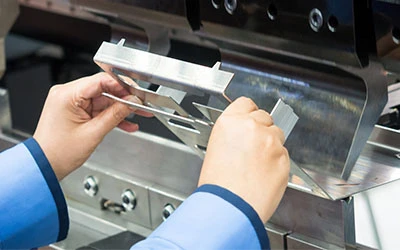 Press Brakes Don't Just Bend Metal - They Bend the RulesJuly 25, 2025The Basics and Trends of Sheet Metal Manufacturing IndustrySheet metal remains the backbone of countless industries, from automotive frames to aerospace components.view
 Press Brake Backgauge Upgrade Guide 2026: How a CNC Backgauge System Improves Bending Speed and AccuracyJune 30, 2026In 2026, sheet metal manufacturers across fabrication shops, electrical cabinet factories, HVAC duct producers, elevator panel manufacturers, and automotive component suppliers are facing a convergenc...view
 Shearing Machine Blade Selection Guide 2026: Heavy-Duty Shear Blades for High-Strength Steel and Stainless Steel CuttingJune 30, 2026In 2026, the sheet metal cutting landscape has shifted significantly. High-tensile steel, wear-resistant plate, duplex stainless steel, and thicker industrial sheet materials have moved from specialty...view