EN
EN

Traditional sheet metal bending often causes sliding friction between the workpiece and the lower die. As a result, scratches, drag marks, or bending impressions may appear on the outer surface of the part. The smaller the die radius, the more obvious these marks can become.
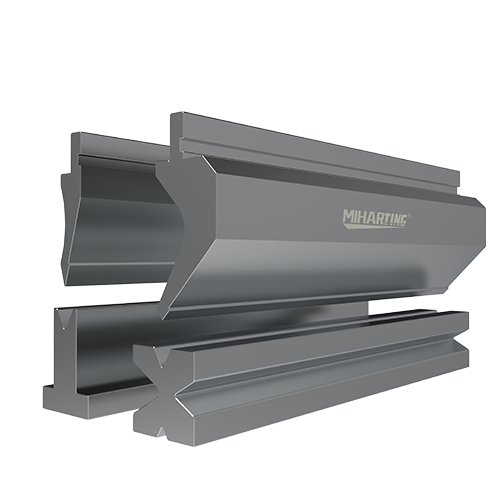
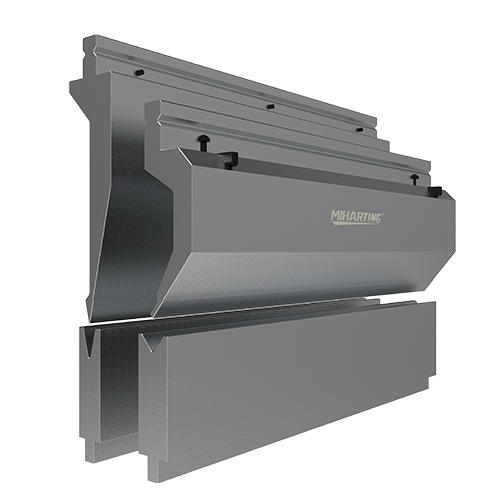
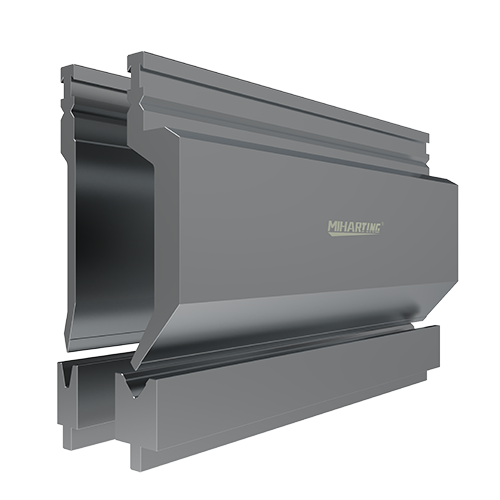
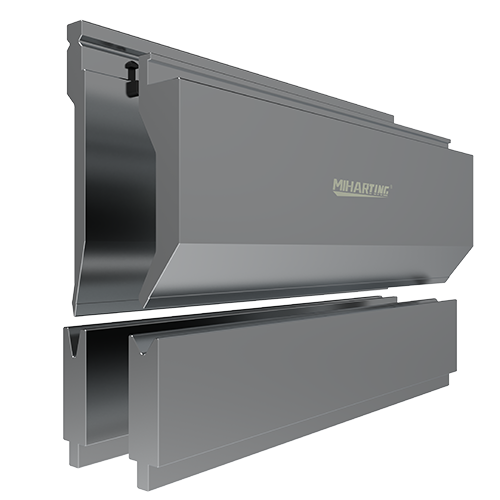
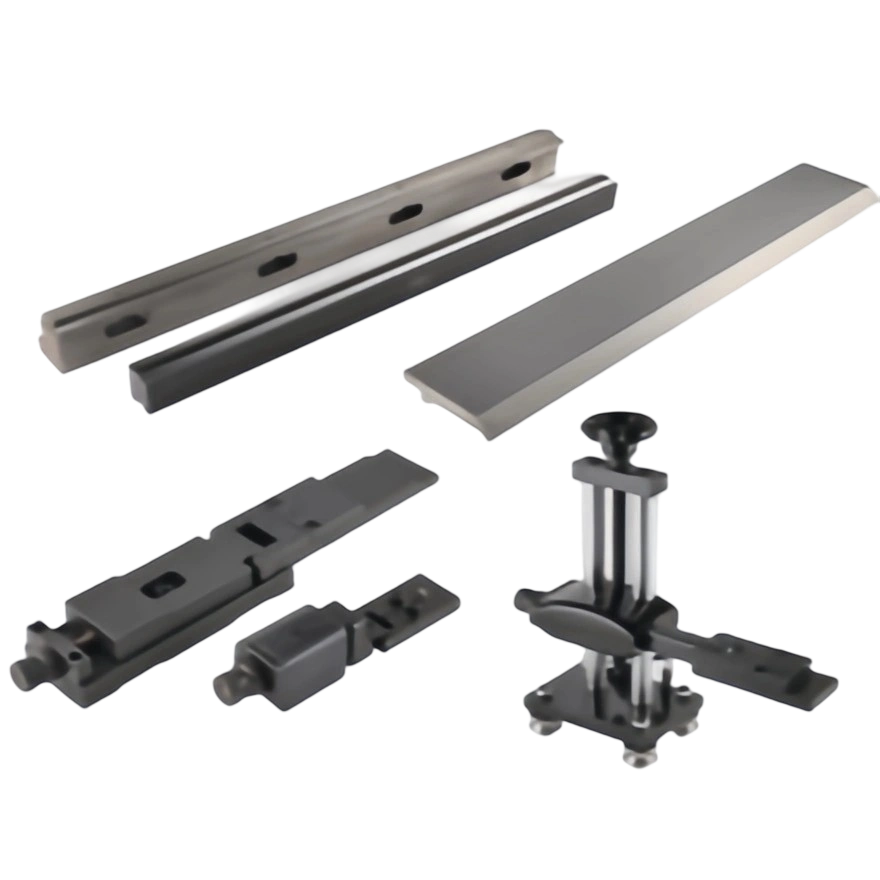
To solve this problem, we offer several types of mark-free bending die solutions. These tools help reduce or eliminate surface damage during the bending process, especially for decorative, polished, coated, or appearance-critical sheet metal parts.
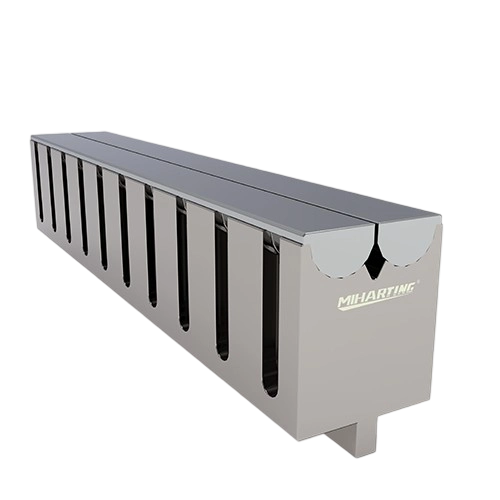
The ball-type mark-free lower die uses high-strength round rollers instead of a traditional fixed V-opening surface. During bending, the rollers contact the sheet metal with rolling friction rather than sliding friction.
This greatly reduces surface scratching and pulling marks on the workpiece. The rollers are made from high-strength materials, which improves wear resistance and extends the service life of the die.
Best applications:
Stainless steel panels
Aluminum sheets
Coated or painted sheet metal
Parts requiring reduced surface scratches
Medium to high-volume bending production
Workpieces where bending accuracy and surface protection are both important
This solution is suitable when the customer wants to reduce bending marks while still maintaining relatively stable bending performance.
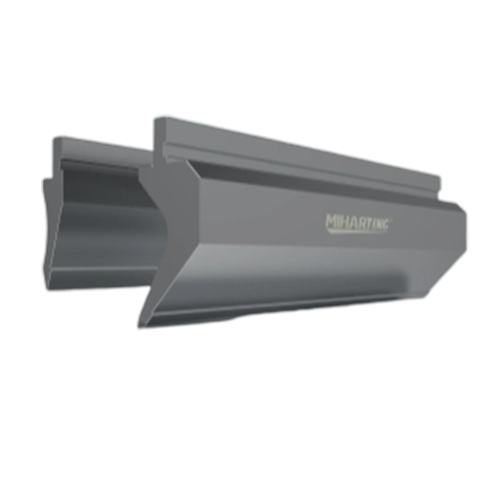
The urethane lower die uses a soft polyurethane insert to support the sheet during bending. Because the workpiece contacts the urethane instead of a hard metal V-die, bending impressions on the outer surface can be completely eliminated in many applications.
However, because urethane is elastic, the bending angle is more difficult to control compared with rigid metal dies. This solution is more suitable for products with high surface requirements but lower bending precision requirements.
Best applications:
Mirror stainless steel
Decorative aluminum panels
Polished or brushed metal sheets
Thin sheet metal parts
Products where surface appearance is more important than strict angle accuracy
Small-batch or customized decorative parts
This is a good choice for appearance-critical parts, but it may not be ideal when very tight bending angle tolerances are required.
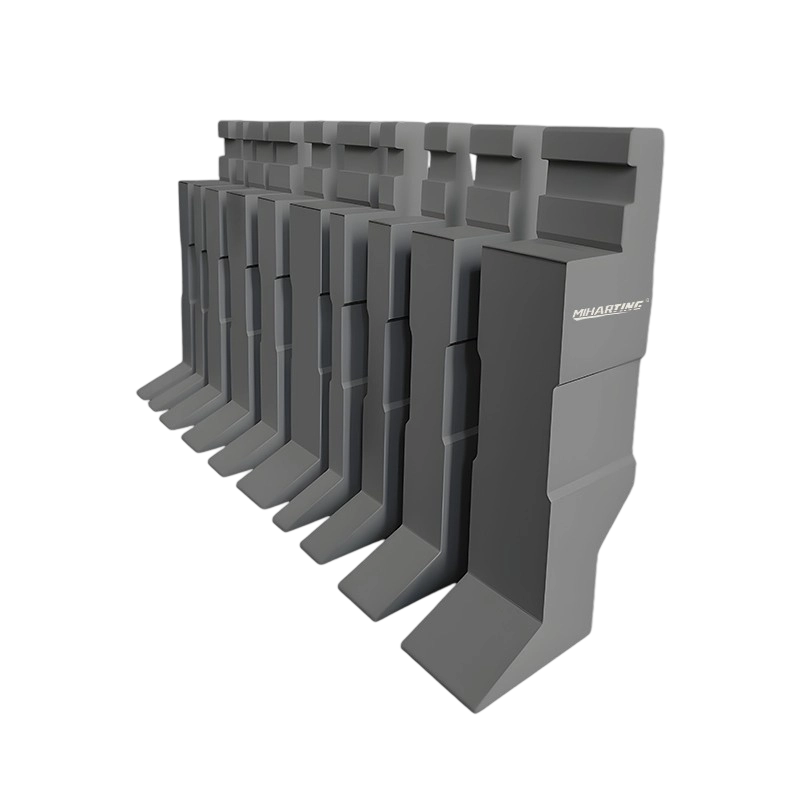
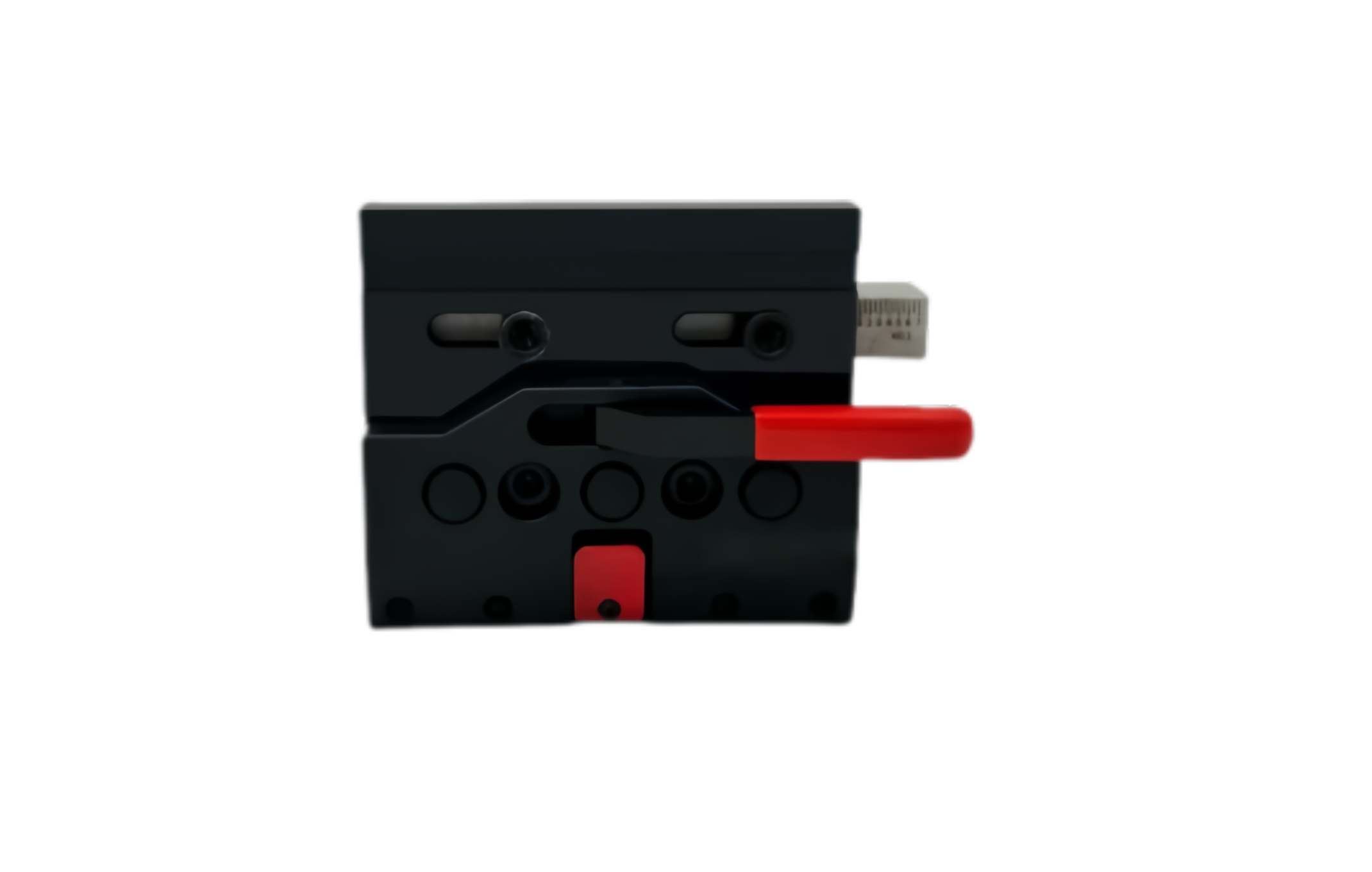
The folding type mark-free lower die replaces the traditional fixed V-groove structure with two symmetrical rotating plates. During bending, the left and right plates rotate with the workpiece, so there is almost no relative sliding between the sheet and the die surface.
This structure helps avoid traditional bending marks while maintaining good bending stability and accuracy.
Advantages:
Modular structure with high manufacturing precision
Helps prevent traditional press brake bending marks
Suitable for short flanges and small bending radii
Reduces deformation when bending near holes, slots, or cutouts
Ideal for mirror stainless steel, aluminum sheets, and decorative panels
Replaceable rotating plates help reduce maintenance cost
Best applications:
High-end stainless steel products
Elevator panels
Kitchen equipment panels
Decorative metal panels
Aluminum profiles and covers
Parts with holes or slots near the bending line
Short-edge bending and small-radius bending
This is one of the most balanced mark-free bending solutions, especially when both surface quality and bending precision are required.
Mark-free bending solutions are mainly divided into three types: roller type lower dies, urethane lower dies, and folding type lower dies.
The roller type lower die is suitable for reducing scratches while maintaining stable production. The urethane lower die is ideal for parts with very high surface requirements but less strict angle accuracy. The folding type lower die offers excellent surface protection, good bending precision, and strong adaptability for short flanges, small radii, holes, and slots.
Choosing the right mark-free press brake die depends on the sheet material, surface finish, bending accuracy, production volume, and final product requirements.If you are a manufacturer processing stainless steel, aluminum, laminated sheets, or decorative metal panels, we recommend using mark-free bending tools; this can help improve product quality and reduce costs associated with secondary polishing and rework.
 China Press Brake Tooling Manufacturer vs European SuppliersSeptember 4, 2026Compare China press brake tooling manufacturers with European suppliers in quality, compatibility, customization, lead time, service and total cost.view
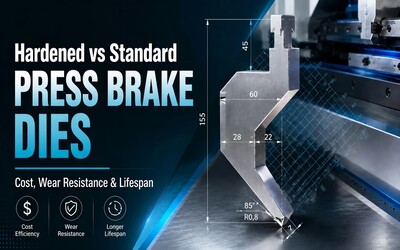 Hardened vs Standard Bystronic Press Brake Dies: Cost, Wear Resistance, and Lifespan ComparisonSeptember 14, 2026Hardened and standard Bystronic press brake dies are designed for different production requirements. Hardened dies are the preferred choice for manufacturers requiring longer tooling lifespan, improve...view
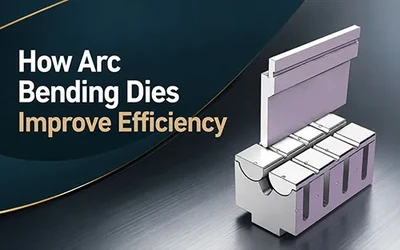 How Arc Bending Dies Improve EfficiencyJuly 29, 2026Arc bending dies can meet a wide range of bending radius requirements by simply changing the die head. This article explains the arc bending solution, die structure, advantages, and selection tips for efficient sheet metal forming.view
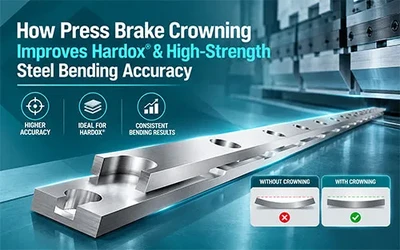 How Press Brake Crowning Improves Hardox® & High-Strength Steel Bending AccuracySeptember 16, 2026Learn why Hardox and high-strength steel require higher bending forces and springback compensation, and how press brake crowning improves long-part angle accuracy.view
 Press Brake Tooling Maintenance: How to Extend Tool LifeJune 8, 2026Learn practical press brake tooling maintenance tips to extend tool life, reduce bending defects, improve accuracy, and lower tooling replacement costs.view
 Functions of a Proportioning Valve in BrakesJanuary 8, 2026The brake tooling industry plays an essential role in vehicle safety, with the proportional valve being a critical component in the braking system. Understanding how this device functions can offer in...view