EN
EN

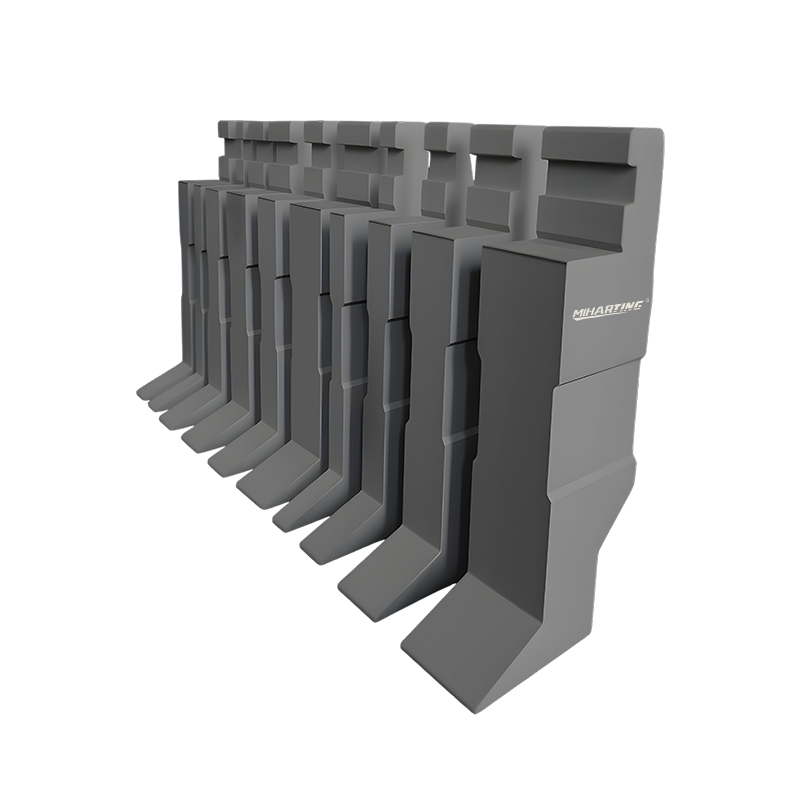
In sheet metal processing, arc bending tools offer high precision and effectively meet requirements for bending arcs. By simply swapping out the radius tool tip according to customer specifications, manufacturers can achieve the desired bending radius, surface quality, and dimensional consistency, all while maintaining high production efficiency.
Arc bending typically employs an inner radius at least eight times the material thickness; this approach significantly reduces tool changeover times, enhances production flexibility, and lowers tooling investment costs.
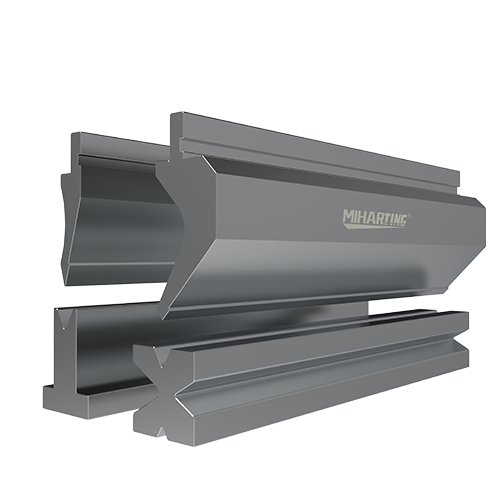
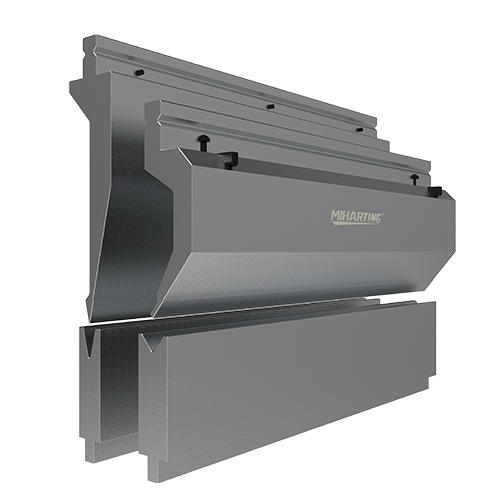
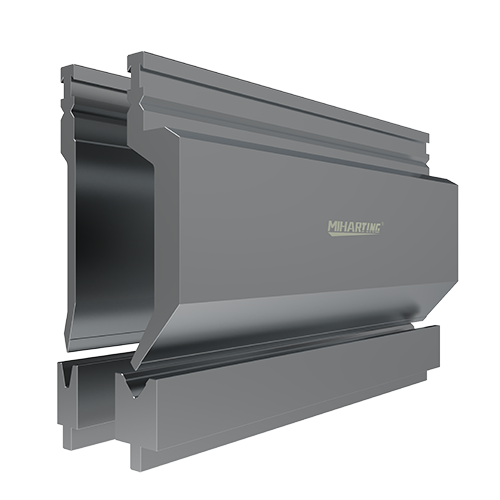
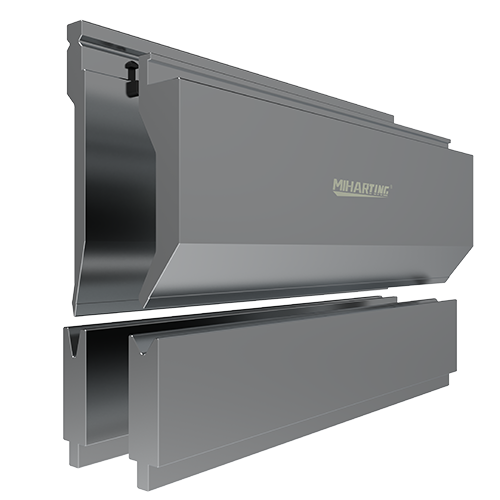
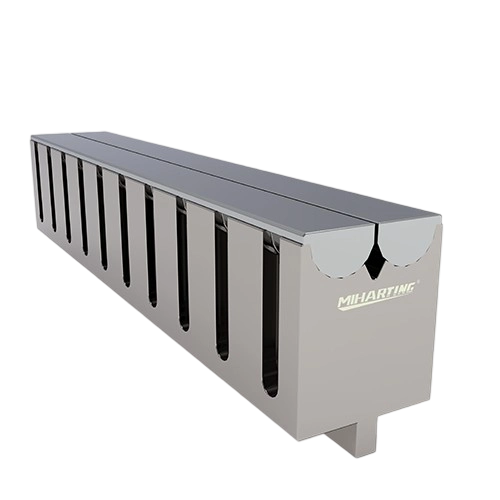
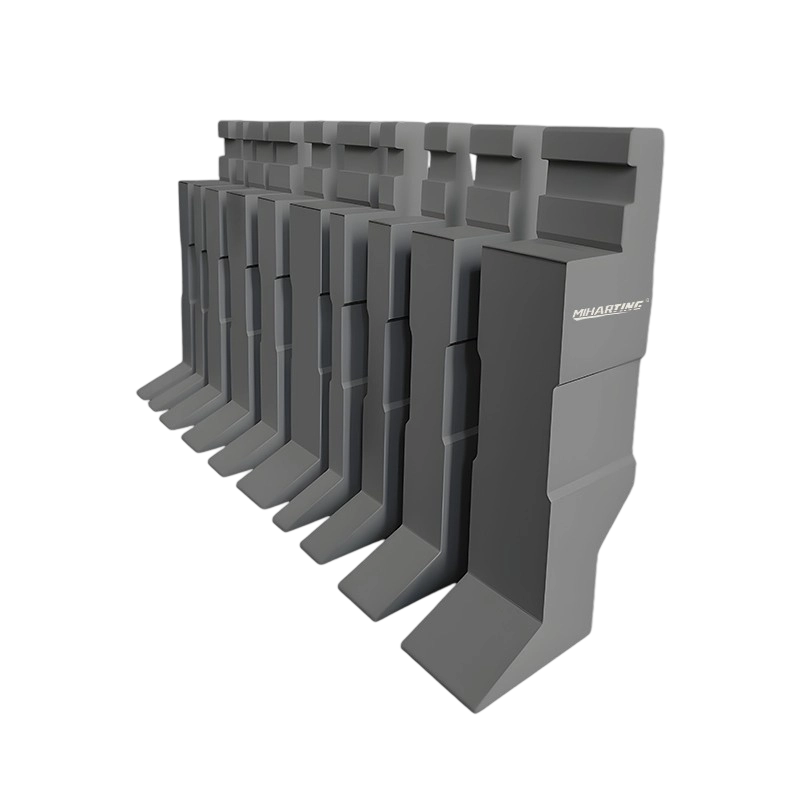
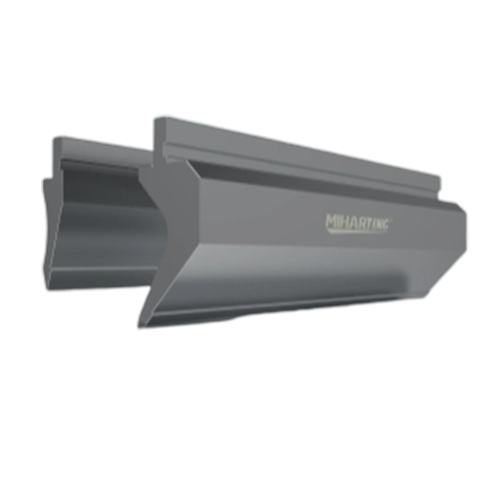
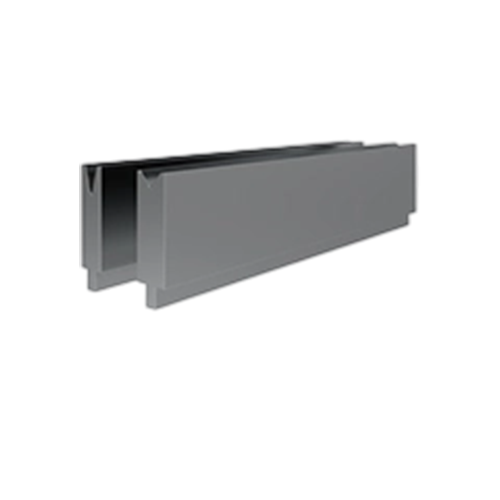
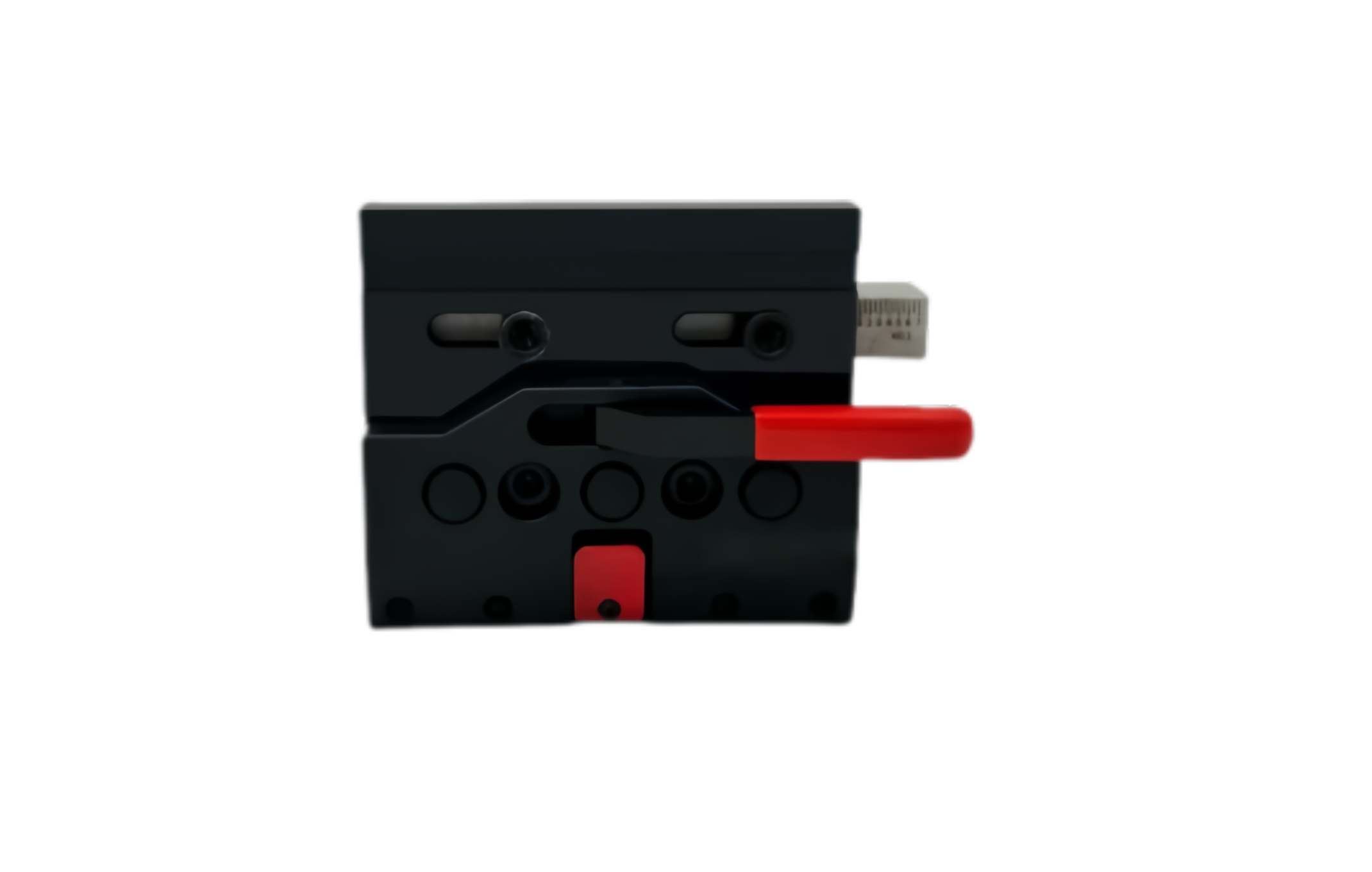
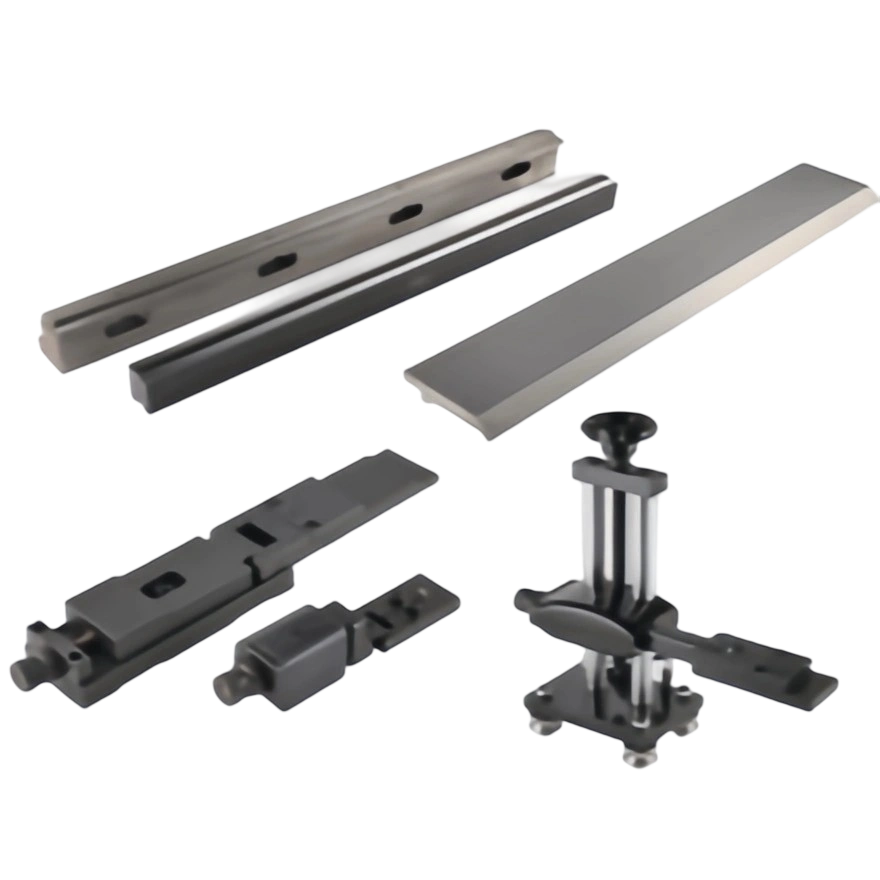
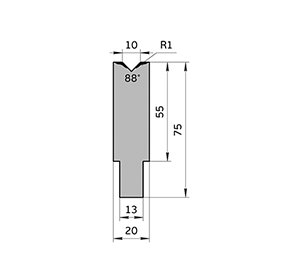
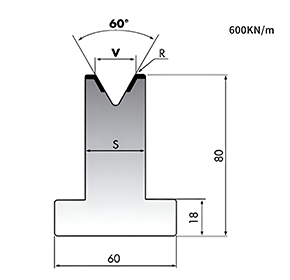
An arc bending die is a specialized press brake tooling solution used to form curved or large-radius bends in sheet metal. It usually consists of two main parts:
1. Die Shank
The die shank connects the tooling to the press brake ram and serves as the base mounting section.
2. Arc Die Head
The arc die head determines the final bending radius. By replacing die heads of different sizes, operators can produce different arc shapes with the same base shank.
This modular structure gives arc bending dies strong versatility, making them especially suitable for production environments with multiple product types or frequent design changes.
In actual production, arc bending typically uses an internal radius of at least 8 times the sheet thickness. For example, if the sheet thickness is 2 mm, the recommended internal radius is usually no less than 16 mm.
A larger internal radius helps to:
reduce the risk of cracking
improve surface finish
minimize springback
enhance forming stability
extend die service life
Of course, the final radius should still be determined based on material type, sheet thickness, product structure, bending angle, and press brake capacity.
The biggest advantage of an arc bending die is flexibility. Users only need different arc die heads to achieve multiple bending radii with the same base shank.
This is especially useful for factories handling multiple product models or frequent order changes.
Traditional tooling may require replacing an entire die set. With arc bending dies, only the die head needs to be changed. This significantly reduces machine downtime and improves press brake utilization.
For batch production or frequent changeover, the saved setup time directly improves productivity.
If every arc radius requires a separate full die set, tooling cost and inventory pressure will increase quickly. The modular design of arc bending dies reduces duplicate investment.
Customers can configure only the most commonly used die heads, balancing production needs and cost control.
A well-designed arc bending die helps achieve more stable forming results, reduces manual adjustment errors, and creates smoother transitions with a more uniform appearance.
Arc bending dies are widely used in many sheet metal products, such as:
electrical cabinets and enclosures
elevator decoration panels
stainless steel decorative parts
metal doors
kitchen equipment housings
advertising display equipment
construction machinery covers
automotive and rail transit sheet metal parts
Whenever a product requires a large radius, curved edge, or smooth transition, an arc bending die can be a strong solution.
When selecting an arc bending die, consider the following:
Sheet Thickness
Thickness directly affects the required radius, die strength, and bending force.
Material Type
Carbon steel, stainless steel, and aluminum all have different elongation and springback behavior.
Bending Radius
Confirm the target internal or external radius from the drawing, then match it with the correct die head.
Bending Length
Long workpieces may require segmented tooling, sufficient press force, and stable forming support.
Machine Specifications
These include press brake tonnage, working length, throat depth, and clamping interface.
Proper die selection improves efficiency and helps avoid issues such as radius mismatch, insufficient tonnage, or excessive springback.
Arc bending die offers an efficient, flexible, and cost-effective solution for arc bending operations. Featuring a modular design composed of a tool shank and an arc-shaped punch head, it allows you to meet various bending requirements simply by swapping out punch heads of different sizes.
For manufacturers producing a variety of arc-shaped parts, this die represents an excellent choice; it significantly reduces tool changeover times and labor costs while ensuring consistent bending results.
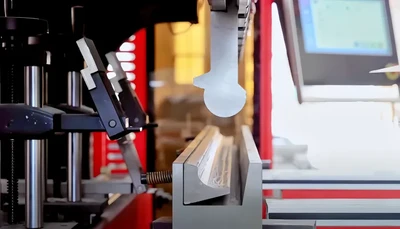 Benefits of Miharting Bending ToolsJanuary 8, 2026Miharting Bending Tools have become a cornerstone in the realm of metal forming, prominently used in various industries for tasks such as sheet metal bending tools. They offer a balance of precision a...view
 What Is a Proportional Valve? Definition, Function and Working PrincipleJanuary 8, 2026A proportional valve is an electrically controlled valve that continuously regulates fluid flow, pressure, or direction according to a variable command signal. Unlike a conventional on/off valve, whic...view
 China Press Brake Tooling Manufacturer vs European SuppliersSeptember 4, 2026Compare China press brake tooling manufacturers with European suppliers in quality, compatibility, customization, lead time, service and total cost.view
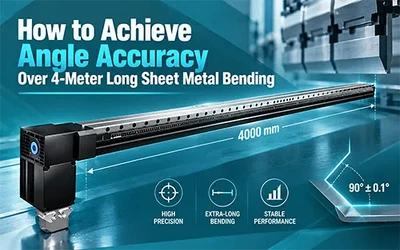 How to Achieve Angle Accuracy Over 4-Meter Long Sheet Metal BendingSeptember 15, 2026Learn why 4-meter sheet metal bends develop open angles in the center and how CNC mechanical crowning, precision tooling and correct setup improve full-length angle accuracyview
 Why Global Fabricators are Shifting to High-End China Press Brake Tooling: Quality vs. Cost AnalysisApril 22, 2026For decades, the global metal fabrication industry looked to Europe and Japan for precision. However, the last five years have seen a tectonic shift. China press brake tooling, led by specialized manu...view
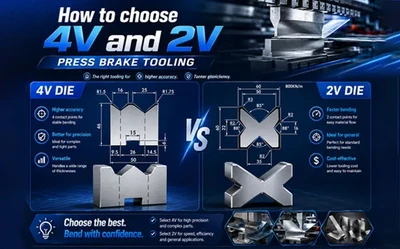 How to choose 4V and 2V press brake tooling?May 27, 2026How to choose 4V and 2V press brake tooling?What are their specific advantages,and for which applications are they best suited?This choice is a critical factor in determining your operational efficiency.We hope the following article will assist you in selecting the die best suited to your needs,thereby enhancing your production efficiency.view