EN
EN

Hardened and standard Bystronic press brake dies are designed for different production requirements. Hardened dies are the preferred choice for manufacturers requiring longer tooling lifespan, improved wear resistance, and stable bending accuracy under high production loads, while standard dies remain suitable for general fabrication applications with moderate usage. The better option depends on material type, bending frequency, machine capacity, and the expected cost per bending cycle.
In professional sheet metal manufacturing, selecting press brake tooling is not simply a comparison between a higher-priced product and a lower-cost alternative. Tooling performance directly influences bending consistency, machine efficiency, maintenance frequency, and overall production profitability. A die that maintains its geometry over thousands of bending operations can significantly reduce downtime and replacement costs.
As an experienced press brake tooling manufacturer, MIHARTING focuses on providing precision tooling solutions for industrial sheet metal fabrication. By combining advanced manufacturing processes, suitable material selection, and application-based recommendations, MIHARTING helps manufacturers choose reliable tooling configurations compatible with Bystronic press brake systems.
The main difference between hardened and standard Bystronic press brake dies is the surface hardness treatment applied during manufacturing. Hardened dies usually undergo additional heat treatment processes, including quenching and tempering, which improve resistance against wear, deformation, and repeated mechanical stress.
Standard press brake dies are manufactured from quality tool steel without additional hardening treatment. They provide dependable performance for conventional sheet metal bending applications where production volume, material hardness, and operating pressure remain within moderate ranges.
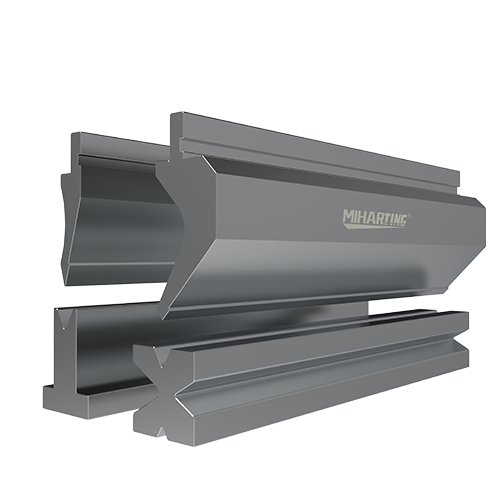
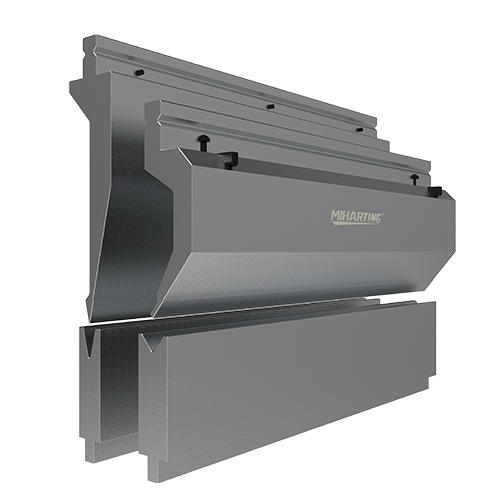
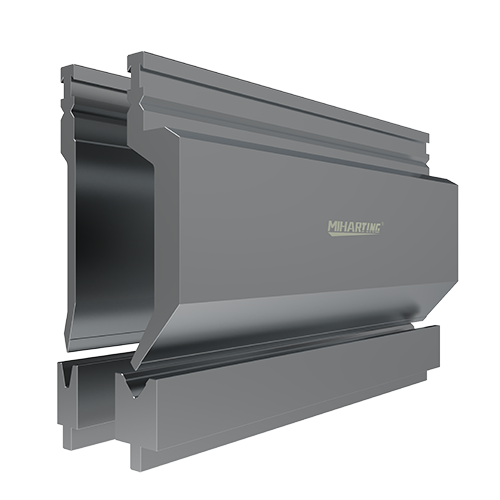
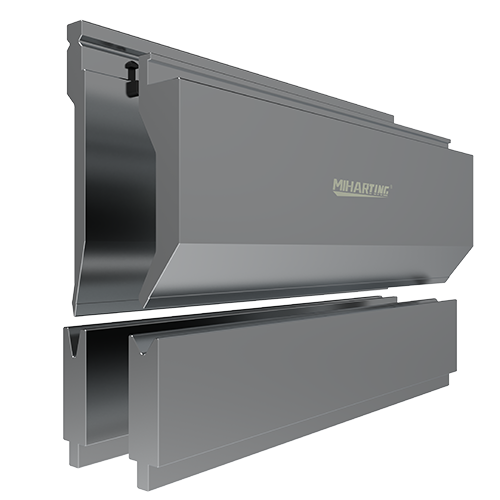
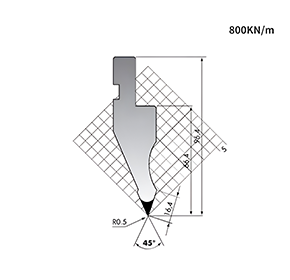
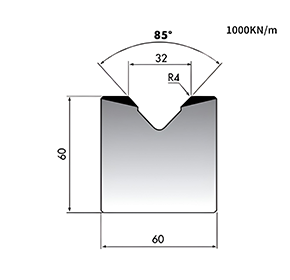
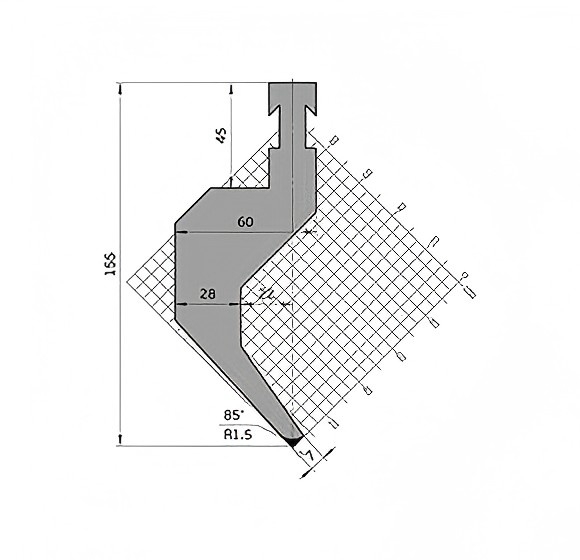
For Bystronic press brake machines, both hardened and standard dies can be manufactured in various configurations, including V-dies, segmented dies, four-way dies, and customized profiles. The correct choice depends on material characteristics, production requirements, and expected tooling lifespan.
| Comparison Factor | Hardened Bystronic Press Brake Dies | Standard Bystronic Press Brake Dies |
|---|---|---|
| Manufacturing process | Heat-treated tool steel with enhanced surface hardness | Standard tool steel construction |
| Wear resistance | Excellent resistance against abrasion and deformation | Suitable for general bending operations |
| Initial investment | Higher purchase cost | Lower initial investment |
| Service lifespan | Longer lifespan under demanding conditions | Shorter lifespan under intensive production |
| Recommended applications | High-volume manufacturing, stainless steel, high-strength materials | General fabrication, prototype production, moderate workloads |
| Maintenance frequency | Lower replacement frequency | More frequent inspection and replacement |
Although standard dies have a lower upfront cost, manufacturers should evaluate the total cost of ownership instead of focusing only on initial purchasing expenses. Replacement frequency, production downtime, labor requirements, and bending consistency all influence the real economic value of tooling.
Wear resistance is one of the most important performance factors when selecting press brake tooling. During every bending cycle, the die surface experiences concentrated pressure from the workpiece. Over time, this repeated mechanical contact can cause surface wear, edge deformation, and gradual changes in tooling geometry.
Hardened dies provide improved durability because the heat-treated surface maintains higher mechanical strength during continuous operation. This allows the tooling profile to remain stable for a longer period, even in demanding production environments.
Hardened Bystronic press brake dies are particularly suitable for applications involving:
Stainless steel sheet processing
High-strength steel fabrication
Heavy plate bending
Large-volume industrial production
Precision sheet metal components
When tooling wears unevenly, bending angles may gradually change and operators may need to compensate through frequent machine adjustments. This not only affects productivity but can also increase the risk of inconsistent product quality.
Using suitable press brake dies helps manufacturers maintain stable bending performance, reduce unexpected tooling replacement, and improve overall production reliability.
The lifespan of a press brake die depends on multiple factors, including material hardness, steel quality, bending pressure, production frequency, lubrication conditions, and maintenance practices.
Standard dies can perform effectively in many general fabrication applications. However, their lifespan may decrease when they are continuously exposed to:
High tonnage bending operations
Multiple production shifts
Hard and thick metal materials
Repeated bending cycles
Strict dimensional accuracy requirements
Hardened tooling provides a stronger working surface that protects the die profile against gradual deformation. As a result, manufacturers can achieve more bending cycles before replacement is required.
However, hardness alone does not determine tooling performance. Proper die geometry, V-opening selection, bending radius, and compatibility with the press brake machine are equally important. Incorrect tooling selection may create excessive stress concentration and reduce service life even when hardened materials are used.
The biggest difference between hardened and standard press brake dies is often the initial investment. Standard dies are attractive for smaller workshops or manufacturers with occasional bending requirements because they provide acceptable performance with lower purchasing costs.
However, professional manufacturers usually evaluate tooling based on long-term operating cost. The actual cost of a press brake die includes:
Initial purchase price
Tool replacement frequency
Machine downtime
Operator adjustment time
Production losses caused by inaccurate bending
A standard die may appear more economical at the beginning, but frequent replacement and production interruptions can increase overall manufacturing expenses. Hardened dies usually provide better value in environments where tooling durability directly affects production efficiency.
| Production Environment | Recommended Tooling Choice |
|---|---|
| Prototype and low-volume production | Standard press brake dies |
| General sheet metal fabrication | Standard or semi-hardened dies |
| Automotive component manufacturing | Hardened press brake dies |
| Heavy equipment production | Hardened press brake dies |
| Continuous stainless steel processing | Hardened press brake dies |
For manufacturers operating Bystronic press brakes continuously, hardened tooling often provides a lower cost per bending cycle because the extended service life offsets the higher initial investment.
Material selection plays an important role when deciding whether hardened or standard press brake dies are more suitable. Different materials create different levels of stress during bending, and materials with higher tensile strength usually require tooling with stronger wear resistance.
For mild steel and general fabrication applications, standard dies may provide sufficient performance when production volume is limited. However, hardened dies are recommended for manufacturers processing demanding materials or operating continuous production lines where tooling stability directly affects efficiency.
Stainless steel has higher strength and work-hardening characteristics compared with many common steels. During repeated bending operations, the increased resistance of stainless steel can accelerate tooling wear. Hardened dies help maintain stable working surfaces and reduce dimensional variation throughout longer production cycles.
High-strength steels are widely used in industries that require lightweight but durable components. These materials usually require higher forming forces, creating greater pressure on the die shoulders and working surfaces. Hardened tooling provides improved resistance against deformation under these demanding conditions.
Heavy industrial components require significant bending force and consistent production performance. In these applications, standard tooling may experience faster wear due to increased mechanical loading. Hardened dies are often selected for construction equipment, transportation components, and industrial machinery manufacturing.
Industries producing precision components require repeatable bending angles and strict dimensional control. Even small changes caused by tooling wear can affect final product quality. Hardened press brake dies help manufacturers maintain stable production accuracy over extended operating periods.
Tooling hardness is only one factor affecting bending performance. The design and dimensions of the tooling system also determine how pressure is distributed during the forming process.
Important tooling parameters include:
V-opening width
Die shoulder radius
Tool height
Segment configuration
Maximum load capacity
Compatibility with the press brake machine
Incorrect tooling dimensions may cause excessive pressure concentration, surface marking, inaccurate bending angles, and accelerated wear. For example, using a V-opening that is too narrow for thick materials can significantly increase stress on the die shoulders.
Professional manufacturers should evaluate tooling material, geometry, and machine compatibility together. Selecting suitable press brake tooling helps improve bending consistency and reduces unnecessary maintenance costs.
Production efficiency is influenced not only by machine speed but also by the reliability of supporting systems throughout the manufacturing process. Tooling stability, positioning accuracy, and repeatability all contribute to consistent production output.
In modern sheet metal fabrication, components such as press brake backgauge systems work together with tooling to improve material positioning accuracy, reduce setup time, and support repeatable bending operations.
Hardened dies improve production efficiency through several key advantages:
Because hardened dies resist wear for longer periods, manufacturers spend less time replacing worn tooling. This is particularly valuable for factories operating multiple shifts or managing high-volume production schedules.
Maintaining consistent die geometry allows manufacturers to achieve repeatable bending results and reduce the need for frequent machine adjustments.
Longer tooling lifespan reduces inspection frequency and replacement workload, allowing operators to focus on production rather than tooling management.
Predictable tooling performance helps manufacturers estimate maintenance intervals more accurately and improve production scheduling.
There is no single tooling solution suitable for every manufacturing environment. The correct choice depends on production volume, material characteristics, bending requirements, and long-term cost objectives.
Manufacturers should evaluate the following factors before selecting press brake dies:
High-volume manufacturers usually benefit more from hardened dies because tooling replacement costs and production downtime have a greater influence on profitability.
Harder and thicker materials generally require stronger tooling performance to maintain accuracy and extend service life.
Applications requiring strict dimensional control should prioritize tooling stability and resistance against wear-related changes.
Small workshops with occasional bending requirements may find standard dies suitable, while industrial manufacturers often achieve better long-term returns with hardened solutions.
Companies expecting increased production demand should consider investing in durable tooling solutions early to avoid future efficiency limitations.
MIHARTING specializes in the development and manufacturing of precision press brake tooling solutions for sheet metal fabrication industries. The company focuses on delivering reliable tooling performance, consistent manufacturing quality, and customized solutions for different industrial requirements.
With professional experience in press brake tooling production, MIHARTING understands that every manufacturing environment has different priorities. Some customers require cost-effective solutions for general fabrication, while others need maximum durability for continuous industrial production.
By combining material expertise, manufacturing capabilities, and application-focused recommendations, MIHARTING helps customers select tooling configurations that match their machines, materials, and production goals.
For manufacturers operating Bystronic press brake systems, choosing the correct tooling solution can improve bending consistency, reduce maintenance requirements, and support long-term production efficiency.
Hardened press brake dies are generally worth the additional investment for manufacturers with high production volumes, demanding materials, or strict accuracy requirements. Although the initial cost is higher, longer service life and reduced downtime often result in lower overall operating costs.
The lifespan depends on material type, bending force, production frequency, tooling quality, and maintenance conditions. Hardened dies usually provide longer service life in demanding industrial applications because they better resist deformation and wear.
Standard dies can be used for some stainless steel applications, especially low-volume production. However, hardened dies are recommended for continuous stainless steel processing because they provide better durability and dimensional stability.
Not necessarily. Tooling performance depends on material quality, heat treatment, design accuracy, dimensions, and compatibility with the press brake machine. The correct tooling configuration is more important than hardness alone.
Tooling wear can change the working profile of the die, resulting in inconsistent bending angles, dimensional deviations, and increased machine adjustments. Maintaining tooling condition is essential for stable manufacturing quality.
Manufacturers should consider machine compatibility, material type, bending requirements, production volume, tooling dimensions, and expected service life. Selecting the right tooling solution helps reduce operating costs and improve production reliability.
The choice between hardened and standard Bystronic press brake dies depends on production requirements, material characteristics, and long-term cost considerations. Standard dies remain a practical solution for general fabrication applications, while hardened dies provide superior wear resistance, longer lifespan, and improved stability for demanding industrial production.
For manufacturers using Bystronic press brake machines, investing in suitable tooling is not only a tooling decision but also a production efficiency strategy. MIHARTING combines manufacturing expertise with customized solutions to help customers achieve reliable bending performance, reduced maintenance requirements, and consistent product quality.
 China Press Brake Tooling Manufacturer vs European SuppliersSeptember 4, 2026Compare China press brake tooling manufacturers with European suppliers in quality, compatibility, customization, lead time, service and total cost.view
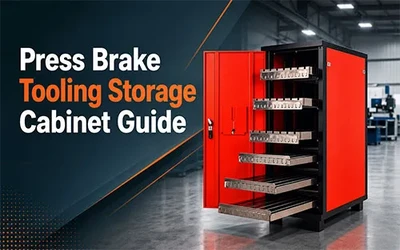 Press Brake Tooling Storage Cabinet Guide: Layout, Safety and ROI for Fabrication ShopsJuly 28, 2026Press brake tooling is precision production equipment, yet many factories store it as if it were ordinary steel stock. Punches are leaned against walls, short segments are mixed in open bins, dies are...view
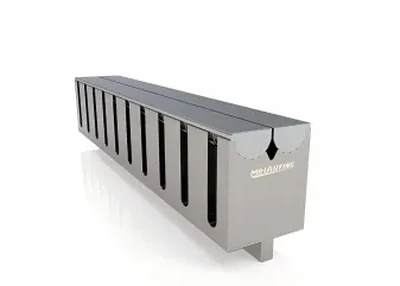 Rolla-V Tooling: The Ultimate Solution for Mark-Free Bending and Short Flange ChallengesApril 22, 2026In the traditional air bending process, the sheet metal slides over the shoulders of a static V-die. This movement creates friction, resulting in “die marks” or “witness marks” on the underside of...view
 What Is Press Brake Tooling and How Does It Work?January 8, 2026In the world of metal fabrication, press brake tooling stands as a cornerstone of efficiency and precision, crucial for bending operations in various industries. Understanding the complex orchestratio...view
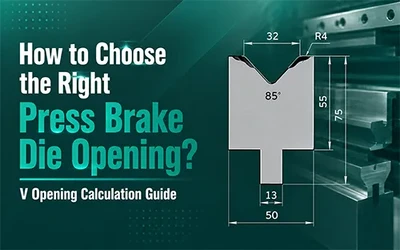 How to Choose the Right Press Brake Die Opening?August 25, 2026Selecting the correct press brake die opening is crucial; the size of the V-opening affects bending accuracy, the inner bend radius, bending force, surface quality, and more.view
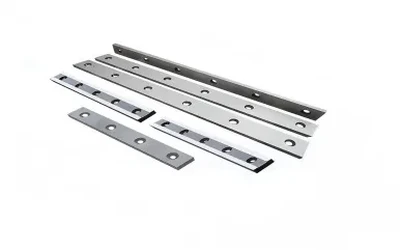 Selecting the Right Shearing Machine Blade: A Guide to Material Grades and Blade Gap OptimizationApril 22, 2026The shear is the “entry point” of the fabrication shop. If the initial cut is burred, twisted, or bowed, every subsequent process—from CNC punching to bending—will be inaccurate. MIHARTING shearin...view