EN
EN

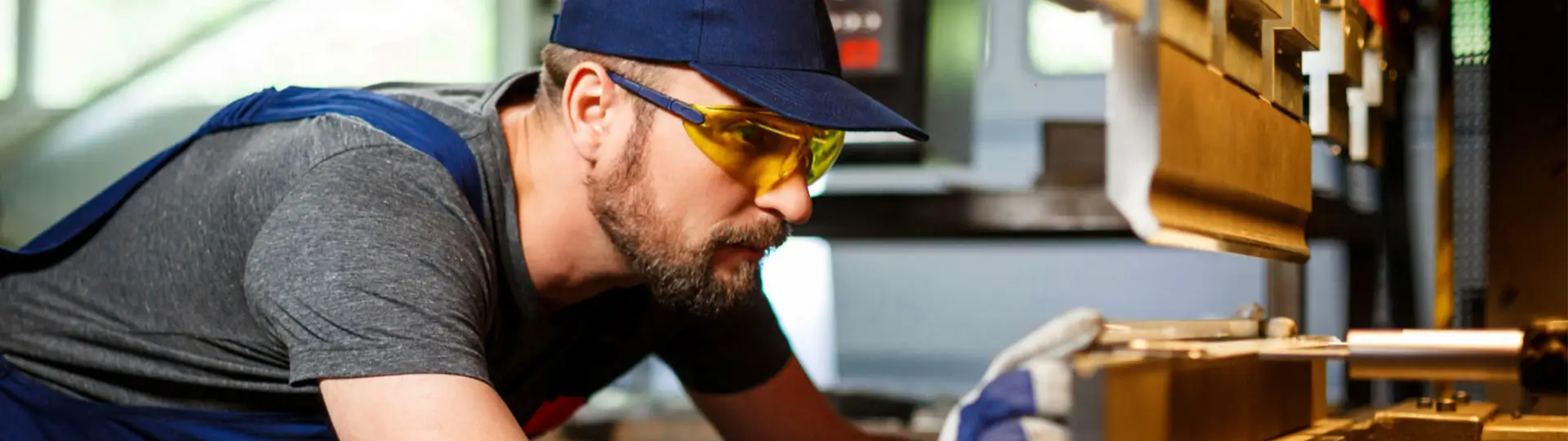
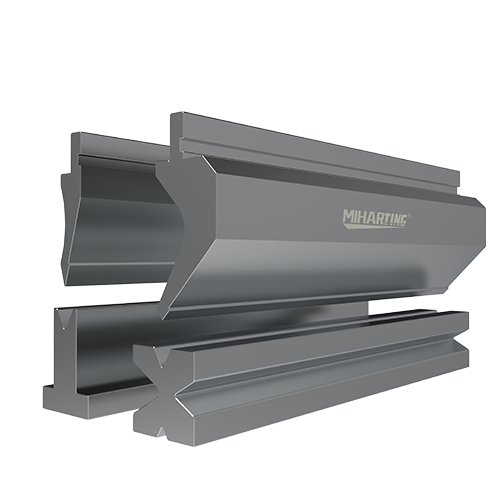
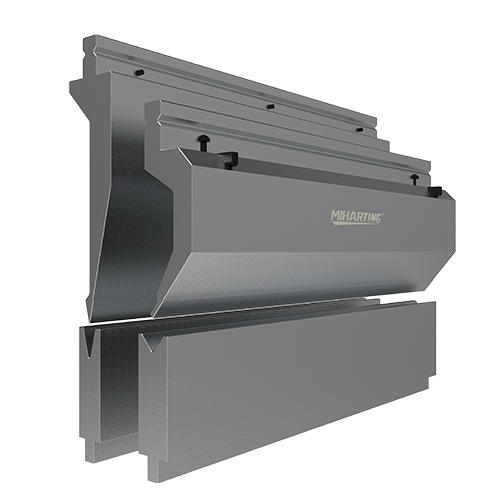
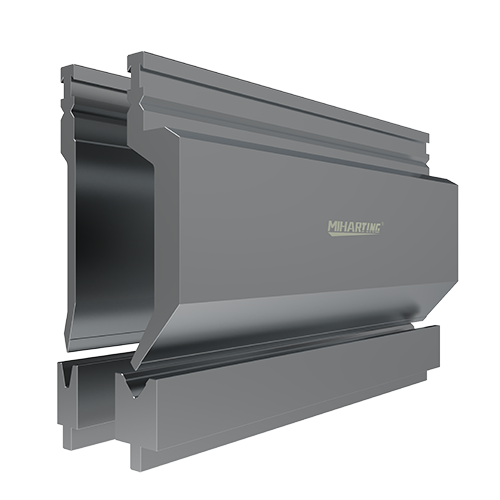
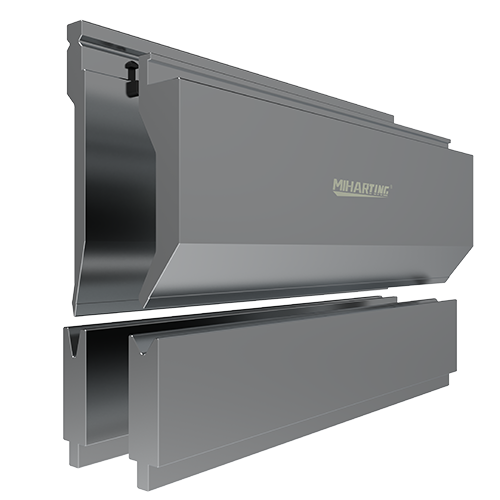
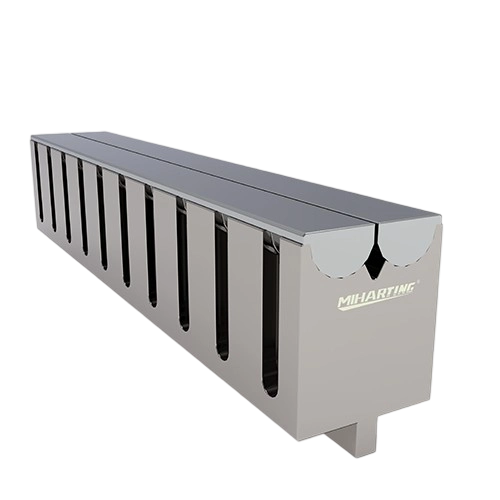
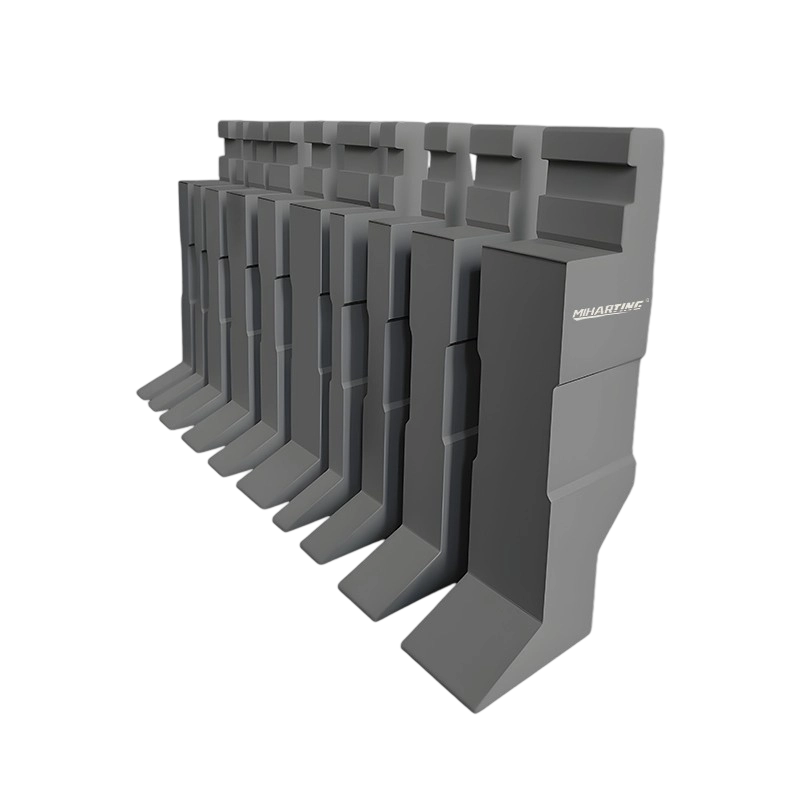
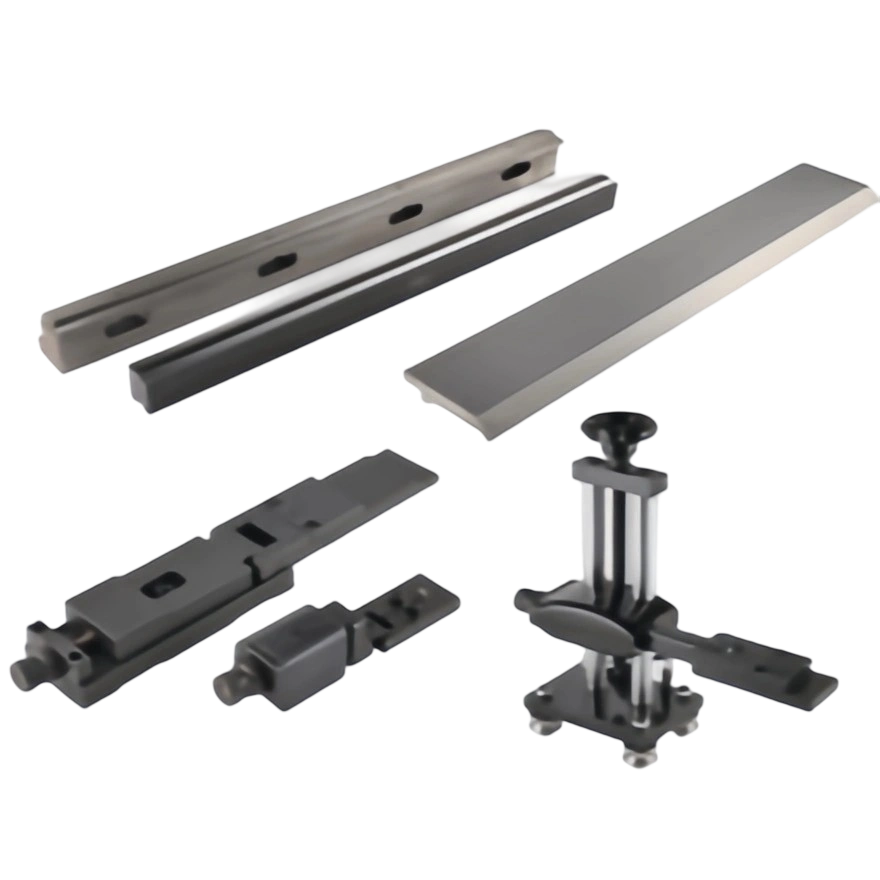
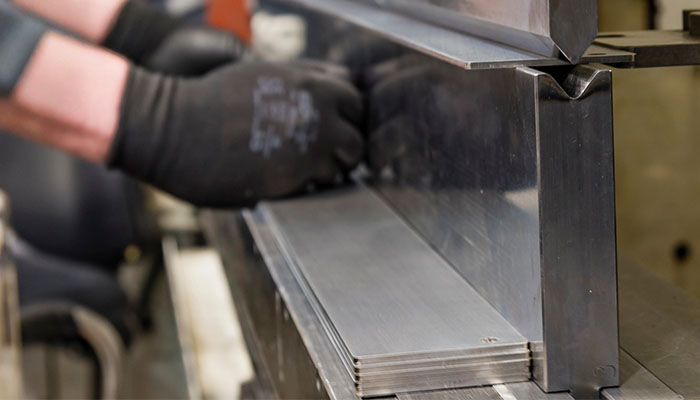
The press brake punches of the bending machine is a key die component used by the bending machine to bend materials such as plates. our press brake punches are made of high-strength tool steel to ensure that it can maintain good wear resistance and toughness when subjected to greater pressure and friction.
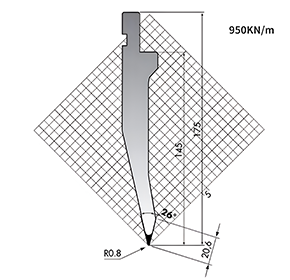
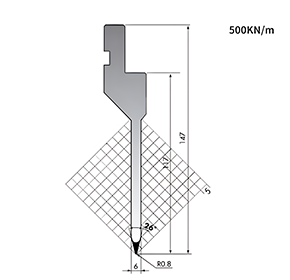
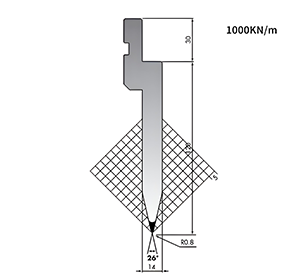
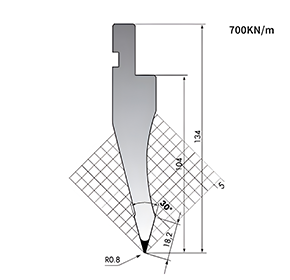
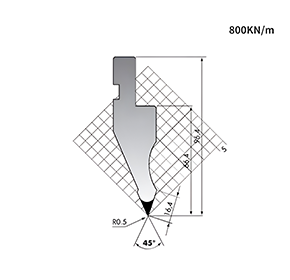
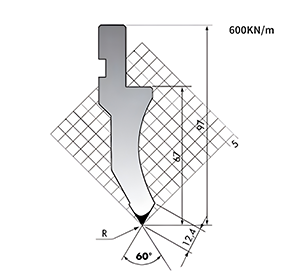
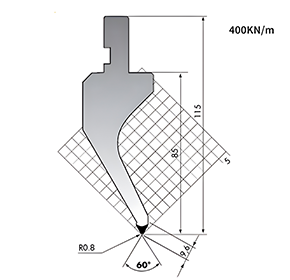
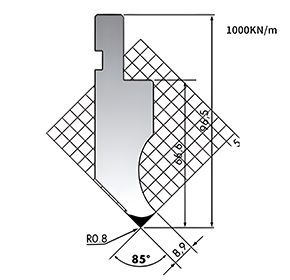
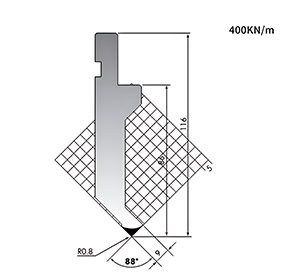
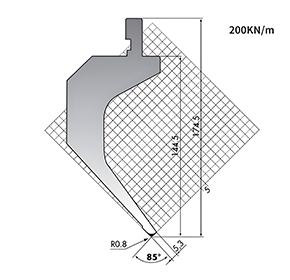
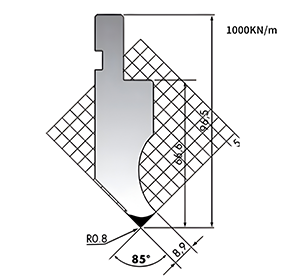
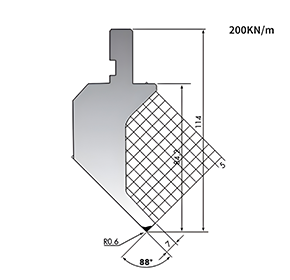
From a structural point of view, the press brake punches generally consists of two parts: the die head and the die handle.
Choose alloy steel or hard alloy material, which has high strength and toughness, can withstand large bending force, and is not easy to deform and break.
Choose the right mold shape to make the bending process smooth and get better forming results.
The accuracy of the press brake punches of the bending machine should be controlled within ±0.05mm to ensure the dimensional consistency of the bent product.
The tooling surface should be smooth with a roughness of Ra0.8 - Ra1.6μm.
The selected upper die should match the existing bending machine model and specifications, including the installation size and clamping method of the die.
Try to choose an upper mold with strong versatility that can adapt to the bending needs of various plate materials and thicknesses. This can reduce the number of mold reserves and reduce production costs.

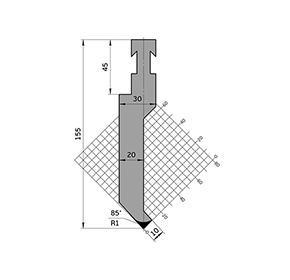
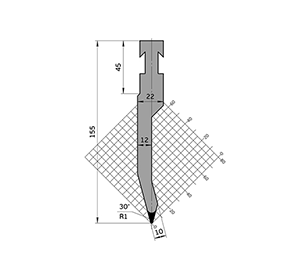
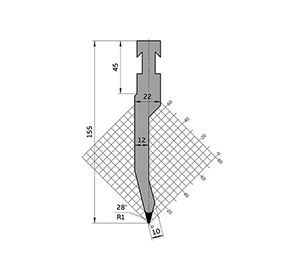
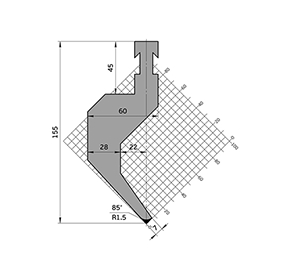
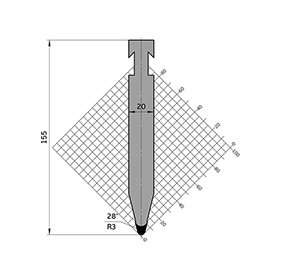
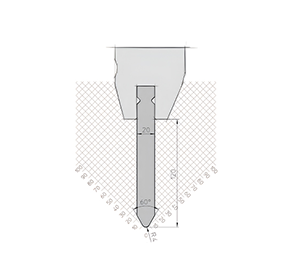
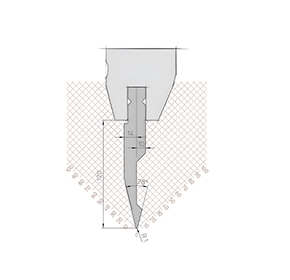
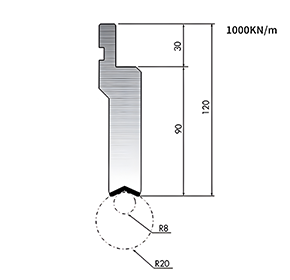
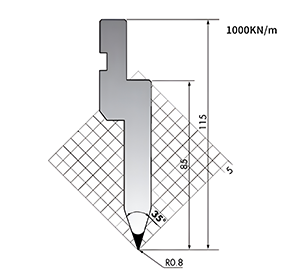
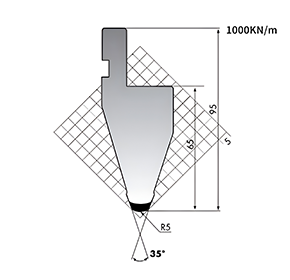
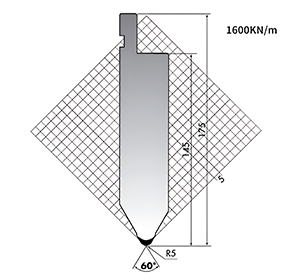
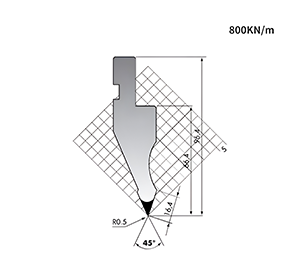
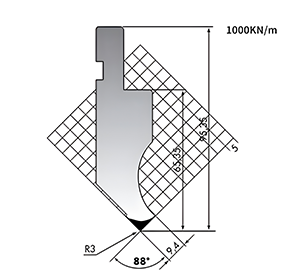
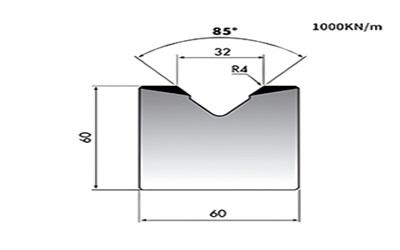
This is the most common type of press brake punches in press brake punch and die assemblies, and its cutting edge is V-shaped. As a core component of press brake punch and die systems, the V-shaped upper die is suitable for V-shaped bending of various plates. Different V-shaped angles can achieve different bending requirements, working in perfect coordination with the corresponding lower die in the press brake punch and die set to ensure precise forming.

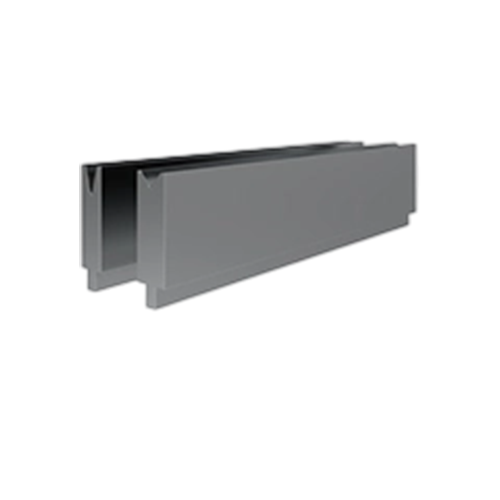
The cutting edge is similar to a U shape, mainly used for U-shaped bending processing

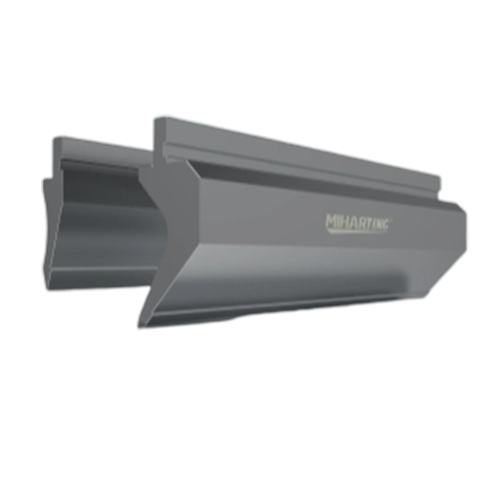
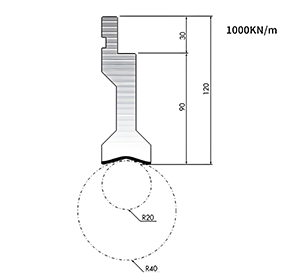
Its end is rounded and is mainly used to bend the plate into a round or curved structure.

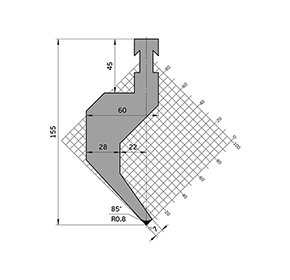
Press brake punches customized according to the shape requirements of specific workpieces, such as irregular shape bending, continuous bending of multiple sections at different angles, etc.