EN
EN

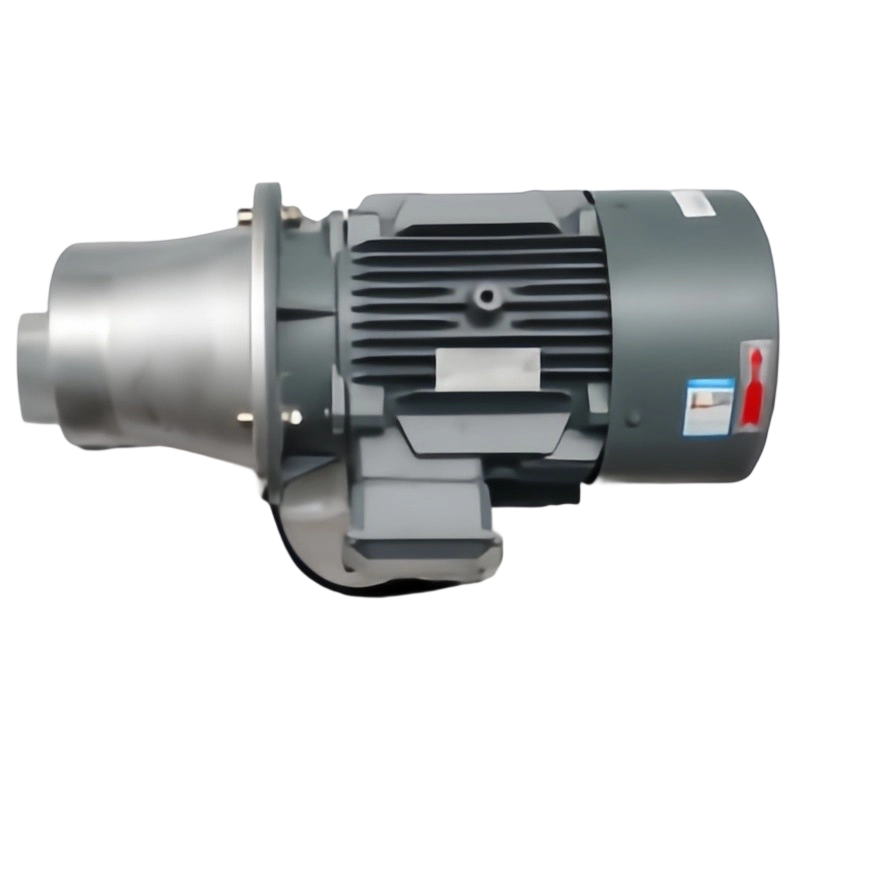
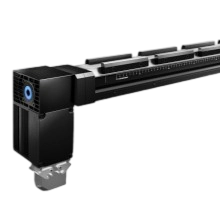
The Press Brake Motor delivers consistent power and efficiency, ensuring reliable performance and high precision for all bending processes in your press brake machine.
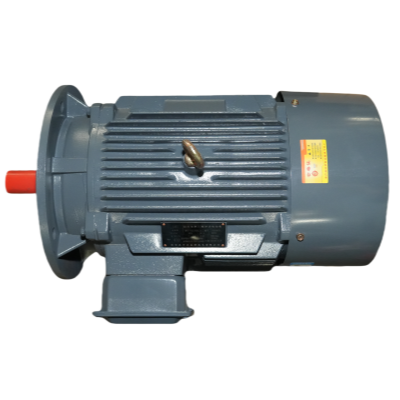
JMT motors have high torque output, simplifying the transmission system and reducing costs and maintenance difficulties;
Efficient and stable operation, with structural design focusing on reducing motor vibration and noise;
JMT motor can accurately control the position of the placement head, achieving high-speed and high-precision component placement, greatly improving production efficiency and product quality.
Using high-quality materials and rigorously tested manufacturing processes, JMT motors have strong fatigue and wear resistance. Its internal key components such as windings and cores have been specially treated to adapt to harsh working environments such as high temperature, humidity, and dust.
In the context of press brake applications, a press brake motor from JMT offers the same high torque output and precision control, ensuring efficient and accurate bending operations. The robust design and high-quality materials make JMT press brake motors ideal for demanding industrial environments, contributing to the overall reliability and performance of the press brake system. For those looking to enhance their press brake setup, considering high-quality press brake accessories, such as JMT press brake motors, is essential for achieving optimal performance and durability.
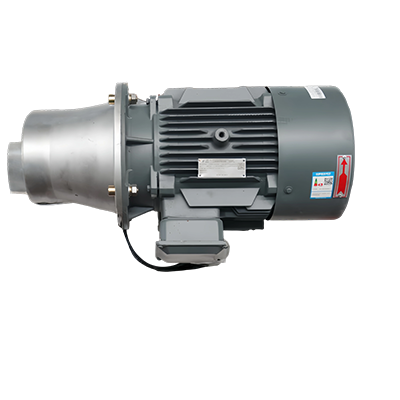
High Efficiency and Energy Saving: Advanced electromagnetic design and high-quality materials optimize the motor's magnetic and electrical circuits, reducing copper and iron losses, effectively improving energy efficiency and lowering long-term operating costs.
Excellent Performance: The motor features a wide speed range and excellent speed regulation, maintaining stable output torque at both high and low speeds.
Smooth and Low-Noise Operation: Optimized rotor and stator structures, along with high-precision manufacturing processes, effectively reduce vibration and noise during operation.
High degree of intelligence: With the development of Industry 4.0 and smart manufacturing, Siemens motors incorporate intelligent monitoring and control technologies. These motors collect real-time operating status data, such as temperature, vibration, and speed, and transmit this data to a host computer or control system via a communication interface.
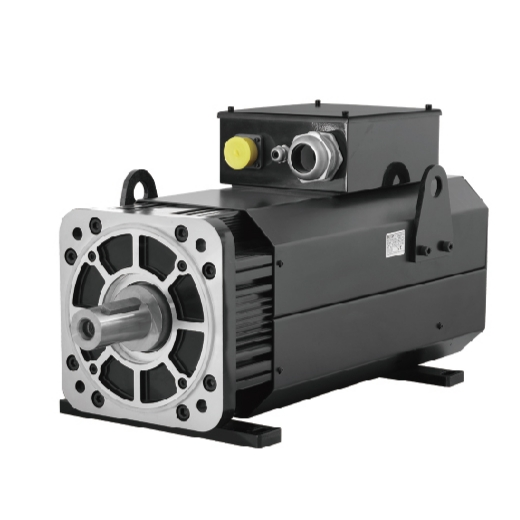
High Control Precision: Estun servo motors utilize advanced encoder technology, enabling extremely high position feedback accuracy. This high precision not only improves product processing quality and assembly accuracy, but also reduces scrap and saves costs for businesses.
Fast Response: The motor's low rotor inertia, combined with a high-performance drive, significantly shortens system response time. From receiving a control signal to the motor's initiation of action, the response time can be controlled within a few milliseconds.
Good operational stability: Optimized motor structural design and manufacturing processes reduce vibration and noise during operation.
Wide speed range: Estun servo motors can achieve smooth speed regulation over a wide speed range. From extremely low speeds, such as a few revolutions per minute, to higher speeds, such as thousands of revolutions per minute, precise control is possible. This wide speed range makes it suitable for a variety of different application scenarios.
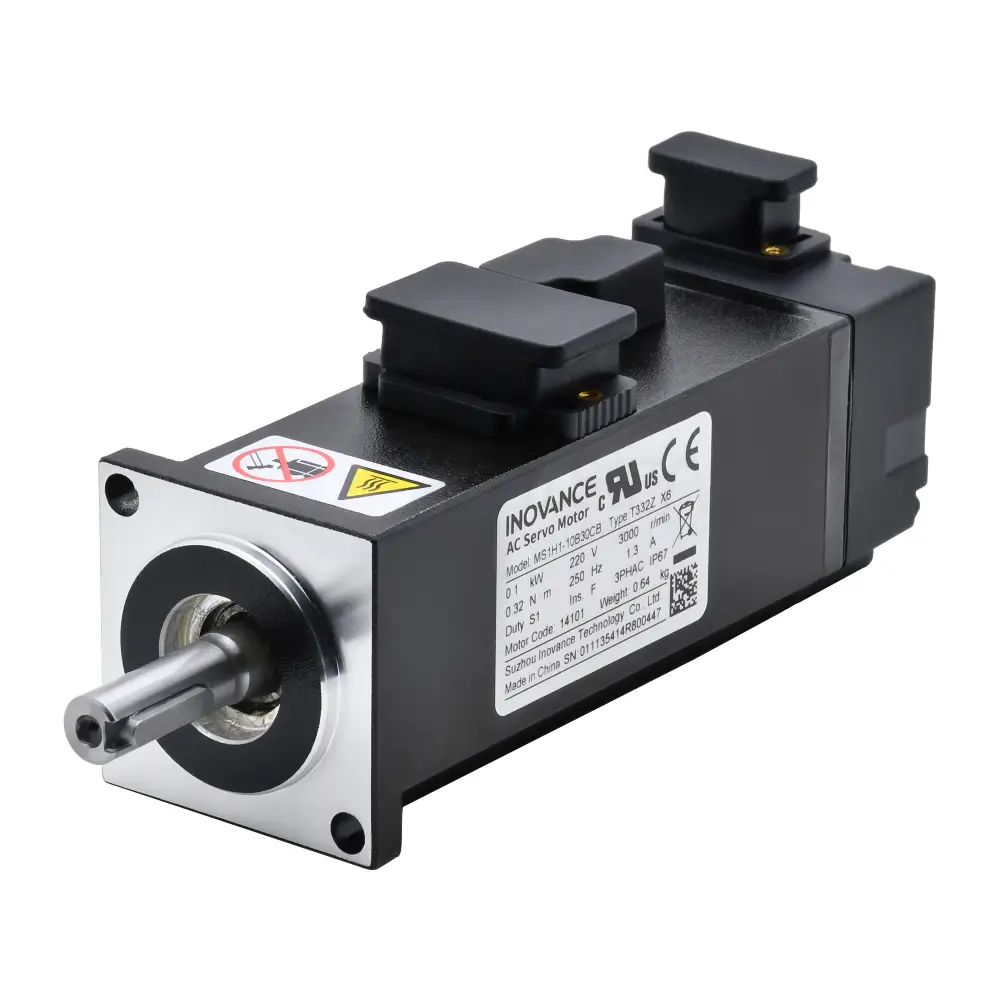
Precise Speed Control: The motor's speed fluctuation is minimal, effectively suppressing speed pulsation through advanced servo algorithms and current control technology.
Energy efficiency meets national Class I energy efficiency standards.
Inovance's 550W to 7.5kW motors meet GB30253-1 energy efficiency requirements.
60/80 frame sizes now feature ultra-low inertia, making them more suitable for faster point-to-point control applications.
100, 130, and 180 frame sizes now feature 220V motors.
Inovance servo motors can adapt to a wide range of operating voltages. Common voltage levels include AC200-240V, AC380-480V, etc., which can meet the power supply needs of different regions and different equipment.
In the context of press brake applications, an Inovance press brake motor offers the same versatility and adaptability. These motors ensure that press brakes can operate efficiently and reliably across various voltage conditions, making them suitable for diverse industrial environments. The ability to handle different power supply requirements enhances the overall performance and flexibility of the press brake system.