EN
EN

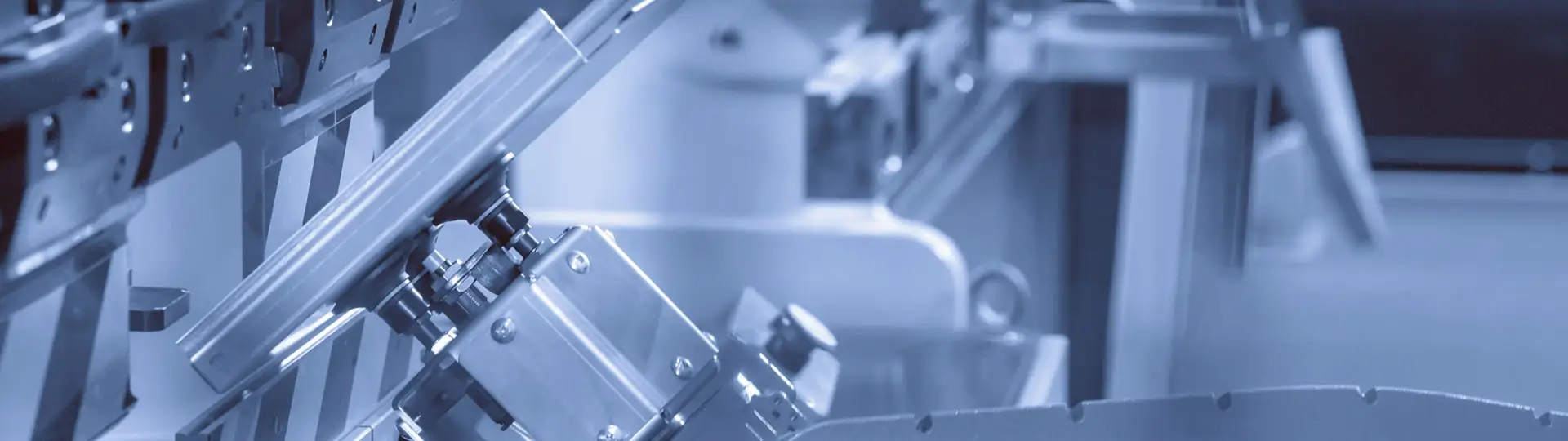
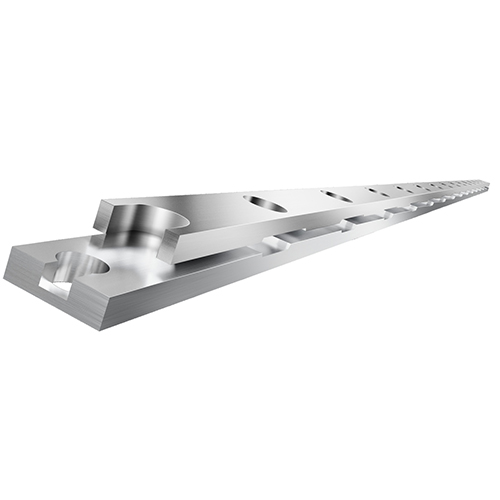
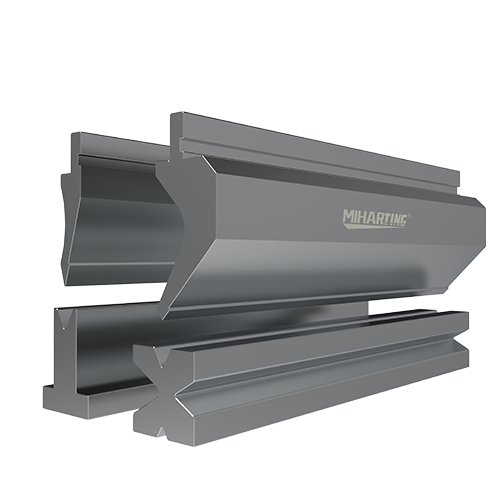
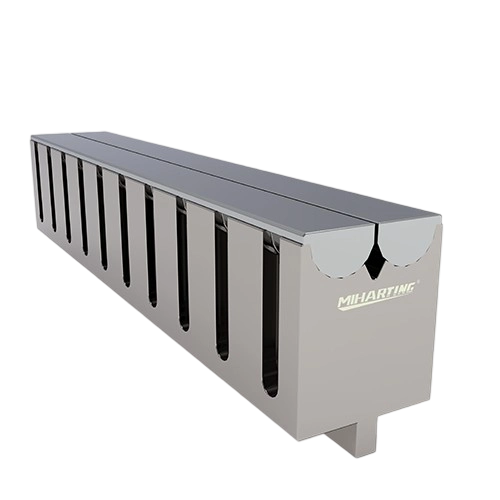
Finite element analysis of the press brake ensures precise convex curves.
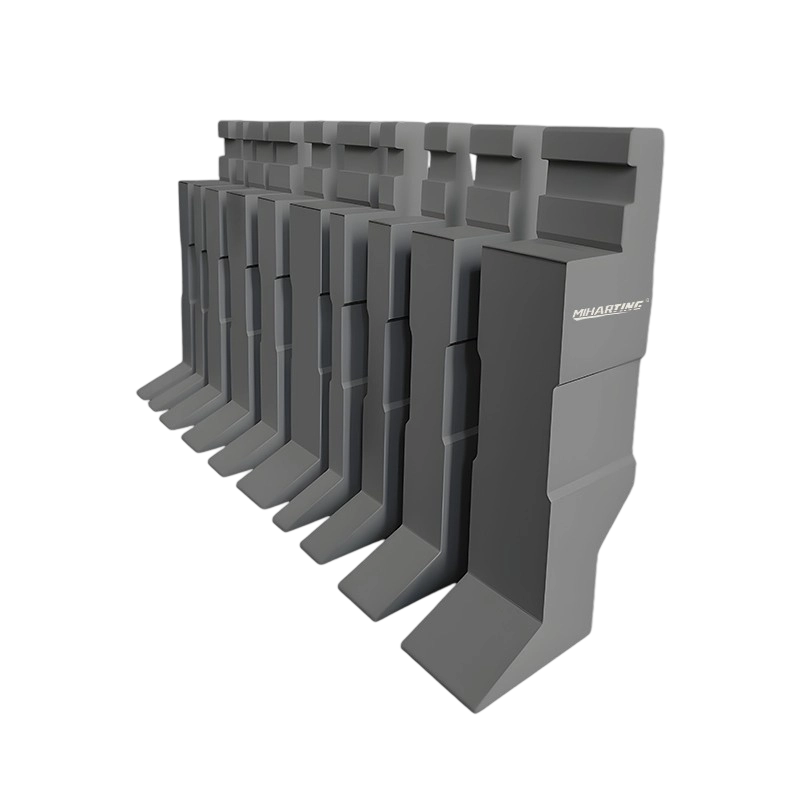
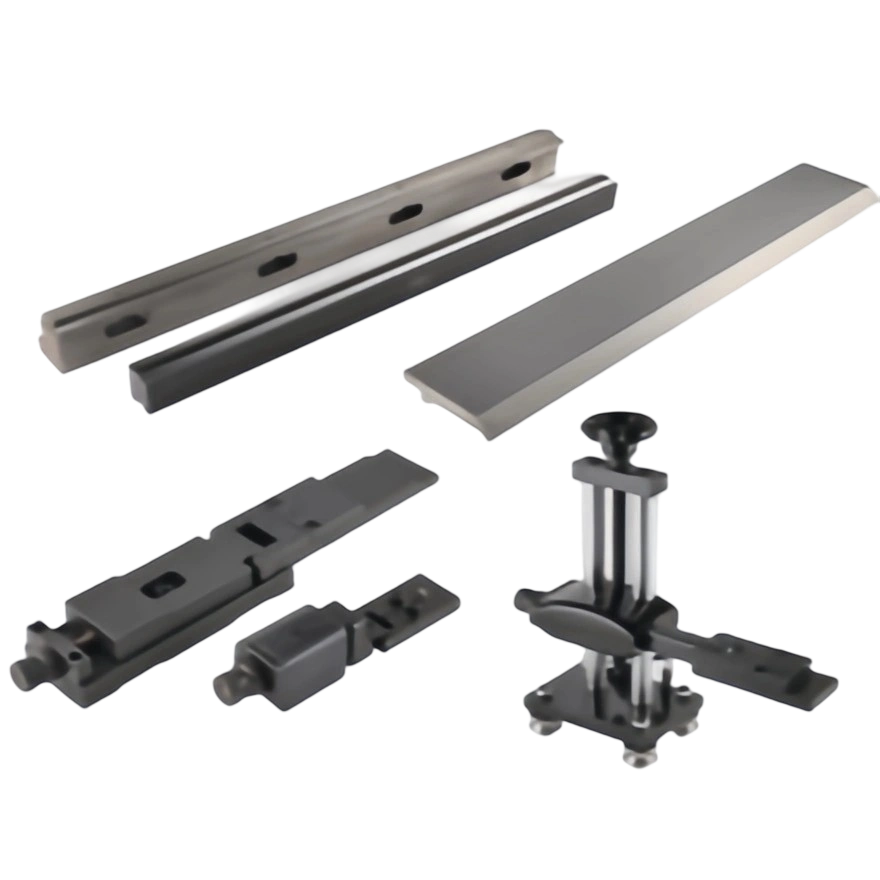
Several wedge blocks are distributed along the entire length of the convex worktable, providing dense compensation points.
The wedge blocks have an assembly accuracy of 0.01mm, ensuring part accuracy within 30 inches.
Nano-spray coating and heat treatment hardening ensure stability and reliability.
Built-in lubrication and fully dust-proof design.
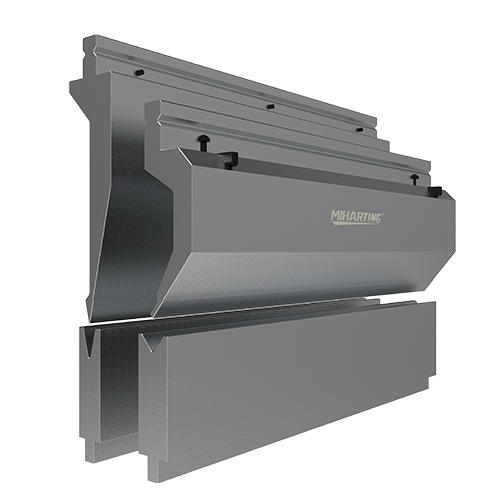
For worktables with slots, optional integrated hydraulic quick clamping and laser angle detection are available.
Press brake crowning compensation significantly simplifies the design and manufacturing of press brakes by ensuring uniform bending results across the entire length of the workpiece. This compensation system adjusts for deflection in the press brake, maintaining consistent bending angles and improving overall part accuracy.
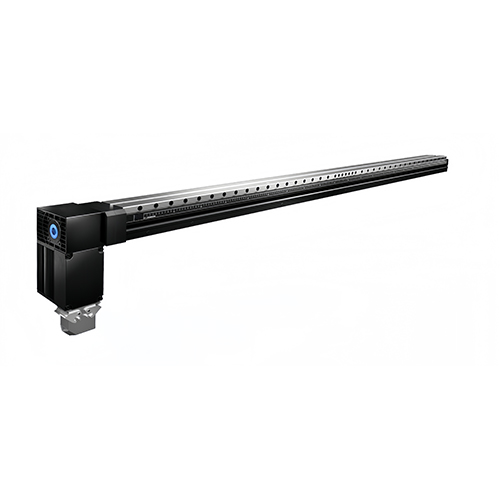
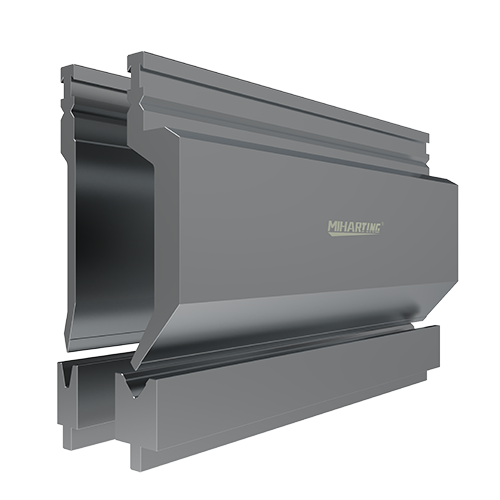
Designed for thin stainless steel sheets, ensuring higher precision and stability;
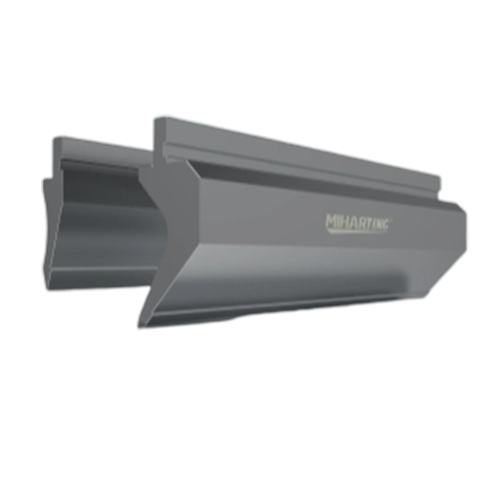
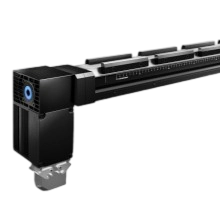
Built-in high-precision, integrally convex corrugated bars;
Bidirectional compensation enables fine lateral adjustment;
Preloaded design, fully dustproof and maintenance-free;
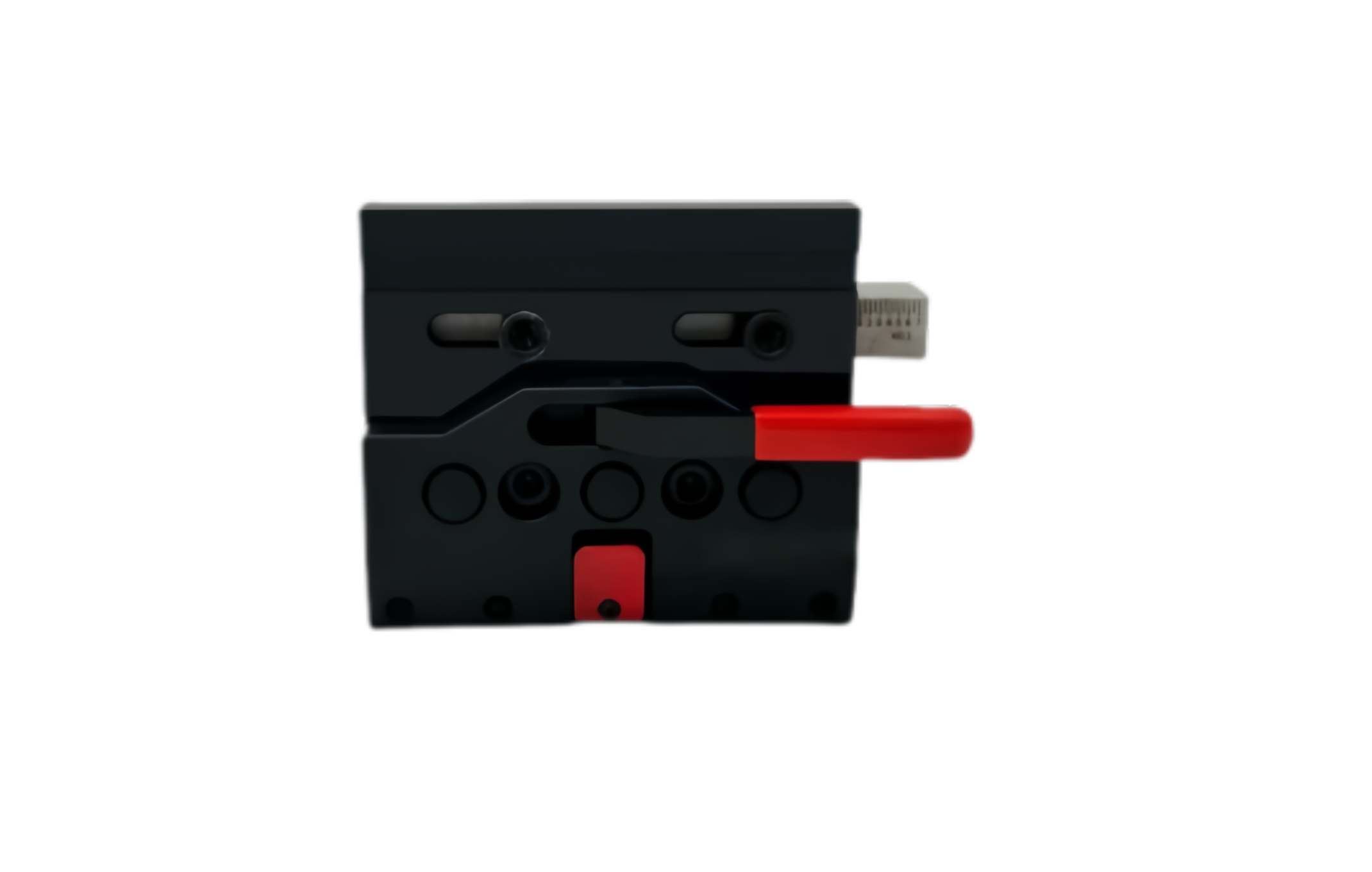
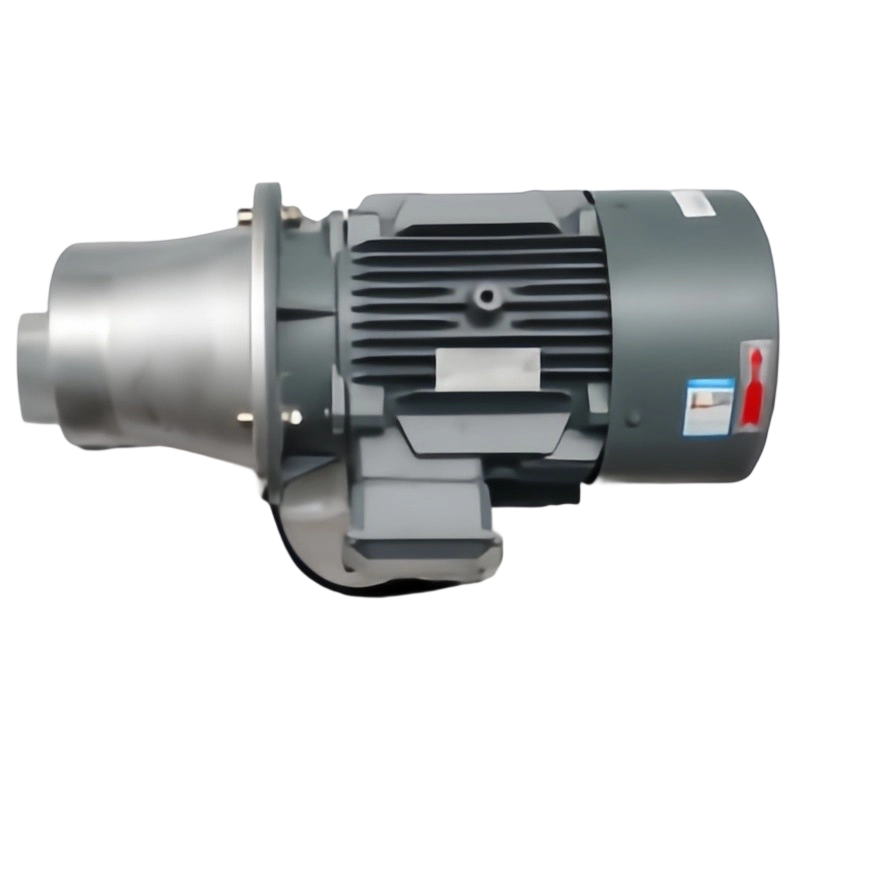
Standard features include an integrated geared motor, aluminum alloy baffle, and graduated scale.
Press brake crowning compensation is essential for achieving uniform bending results, especially in applications involving thin stainless steel sheets. This system adjusts for deflection in the press brake, ensuring consistent bending angles and enhancing overall precision and stability. For those aiming to improve their metal fabrication processes, incorporating press brake accessories such as crowning compensation systems is crucial for maintaining high-quality and consistent output.
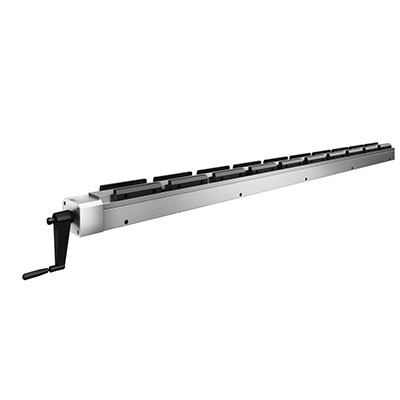
Manual mechanical compensation typically relies on mechanical structures, such as connecting rods, gears, and cams, to achieve its compensation function.
Direct and flexible operation: Operators can manually adjust the compensation amount based on actual observation and experience.
Relatively low cost: Compared to some automated compensation systems, manual mechanical compensation does not require complex electronic control systems, sensors, or expensive software support.
Limited Accuracy: Manual operation is subject to human physiological limitations, such as hand stability and visual acuity. It's difficult to maintain consistent force and amplitude for each operation, resulting in a certain degree of fluctuation in compensation accuracy.
Low Efficiency: Manual operation requires the operator to make adjustments step by step, and each adjustment takes a considerable amount of time. This is particularly inefficient when repeated compensation operations are required.
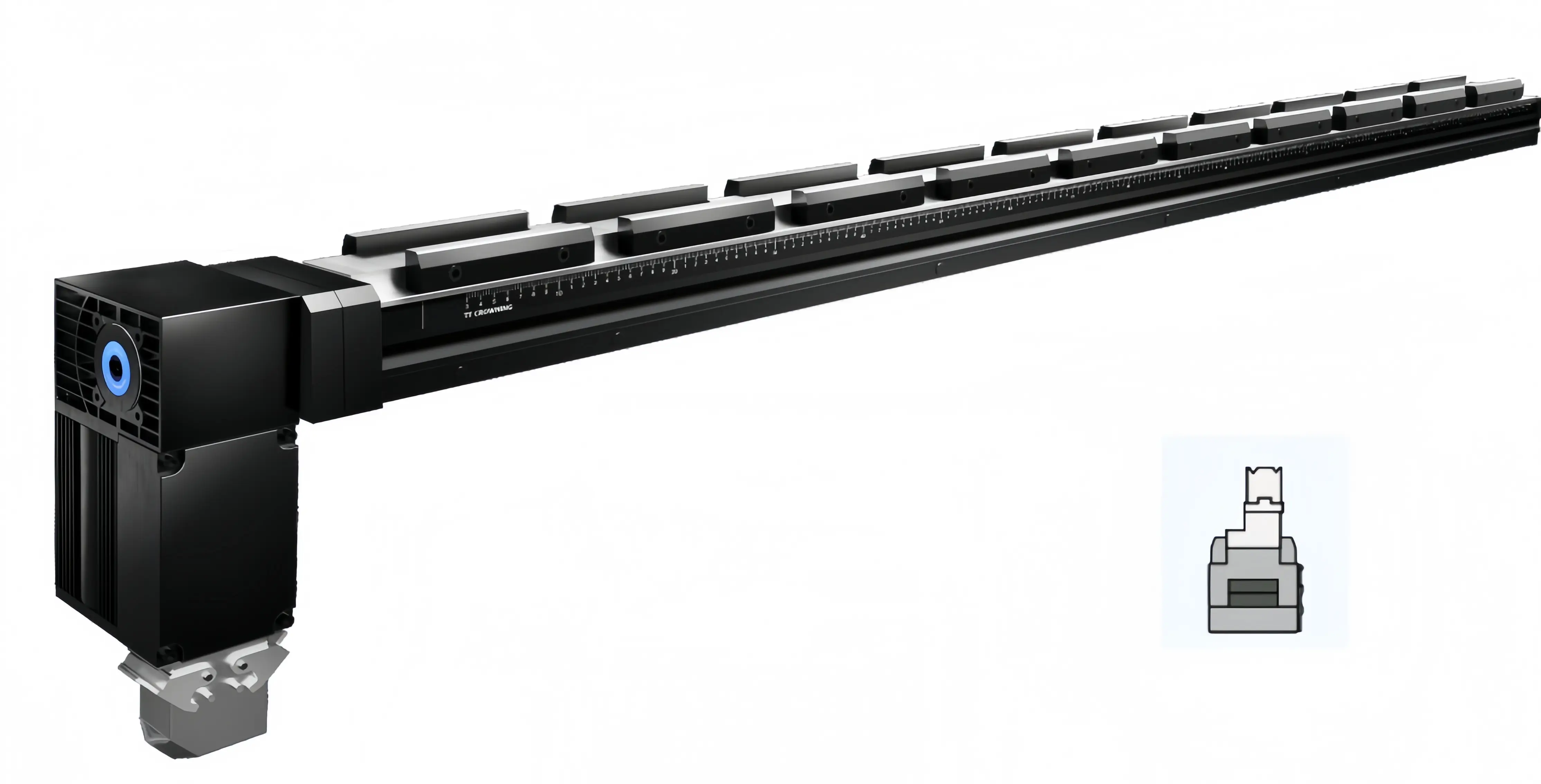
Designed for thin stainless steel sheets, ensuring higher precision and stability;
Built-in high-precision, integrally convex corrugated bars;
Bidirectional compensation enables fine lateral adjustment;
Preloaded design, fully dustproof and maintenance-free;
Standard features include an integrated geared motor, aluminum alloy baffle, and graduated scale.
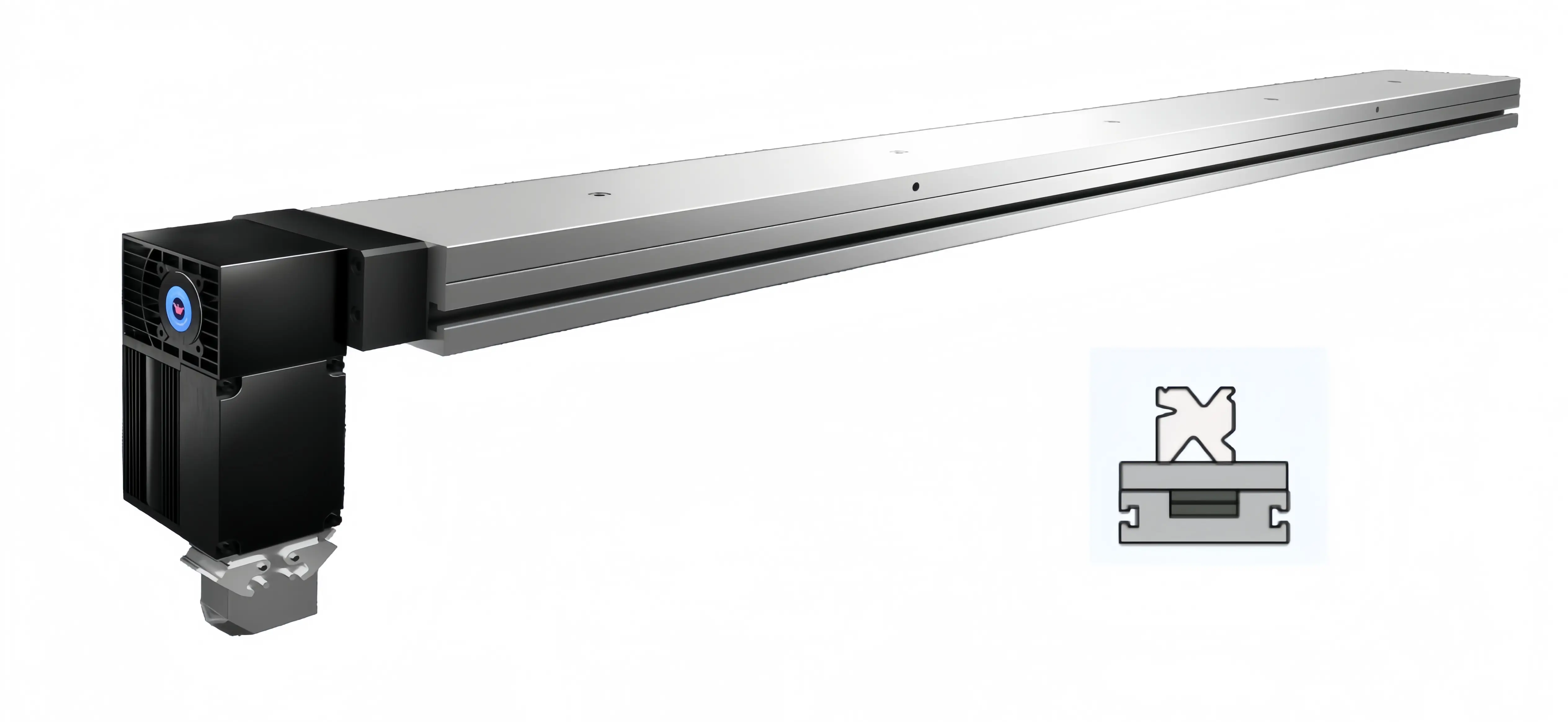
Standard features include an integrated geared motor, aluminum alloy baffle, and graduated scale.
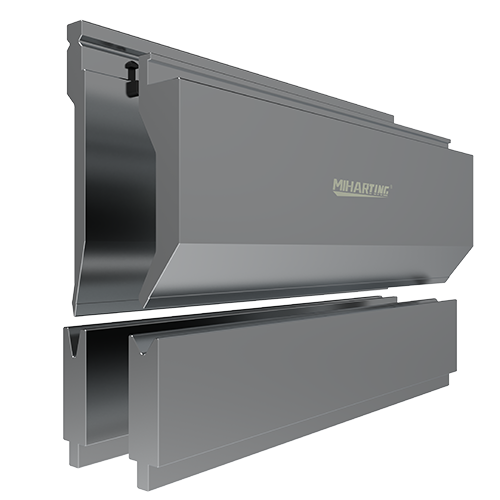
Built-in precision combination wedges;
Front and rear T-slots available, center slot available on the cover;
Optional lateral fine adjustment allows for bidirectional compensation adjustment for perfect compensation;
Fully dustproof construction.